Why Locker Purchase Alone Solves the Package Problem
Discover why locker purchase alone solves package problem for property managers. Boost resident satisfaction and reduce turnover costs today!
Published
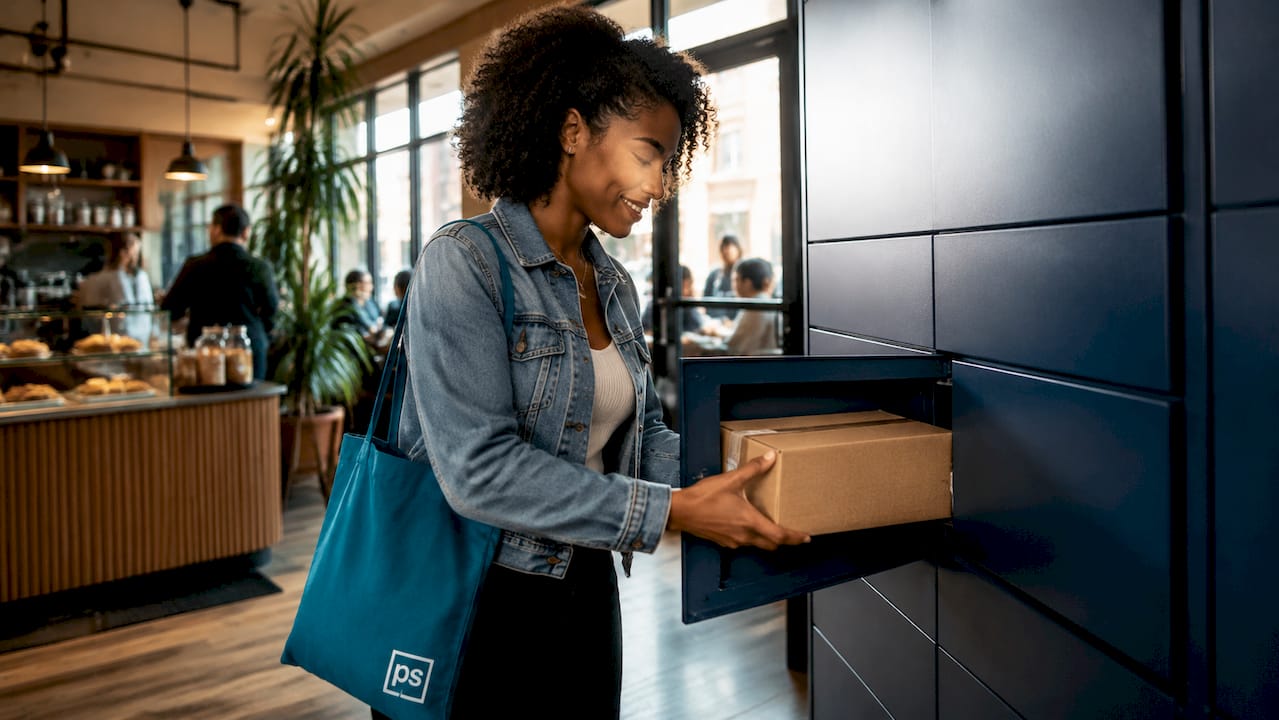
A smart locker system is defined as an automated, compartmentalized storage unit that secures individual packages, triggers resident notifications, and creates a digital audit trail without requiring staff intervention at every step. The question of why locker purchase alone solves the package problem is one property managers ask constantly, and the honest answer is: it mostly does, but not completely. Luxer One, Package Concierge, and Parcel Pending each offer hardware that eliminates the chaos of lobby pile-ups and front-desk bottlenecks. Communities that get package management right see 10–15% higher renewal rates, which translates directly to reduced turnover costs. The locker is the foundation. What you build on top of it determines whether the system actually holds.
Why locker purchase alone solves the package problem
A Luxer One locker system solves the most visible part of your package problem the moment it goes live. Packages are secured individually, residents receive automated text or email alerts, and your leasing staff stops spending half their shift playing package concierge. That shift in workflow is significant. Staff typically spend 5–15 hours weekly on package-related tasks, and smart lockers reclaim 250–750 of those hours annually. That is time redirected to lease renewals, maintenance coordination, and resident services that actually move the needle on satisfaction scores.
The core operational benefits of locker purchase break down into four categories:
- Secure individual storage: Each compartment locks independently, so one resident’s package cannot be accessed by another. Theft risk drops sharply compared to open package rooms or lobby staging areas.
- Automated resident notifications: The system sends pickup alerts the moment a carrier logs a delivery. Residents retrieve packages faster, which keeps compartments cycling and available.
- Digital audit trails: Every transaction, delivery, pickup, and access attempt, is logged with a timestamp. Dispute resolution that once took 20 minutes of staff investigation now takes 30 seconds.
- 24/7 access: Residents pick up packages on their schedule, not yours. This eliminates the after-hours knock on the leasing office door and the complaints that follow.
The convenience of locker systems also carries a measurable retention signal. When residents feel their deliveries are handled reliably, they associate that reliability with the property itself. That perception feeds directly into renewal decisions.
What limitations exist when relying on locker hardware alone?
Locker hardware is not a self-contained solution. The gaps show up fast, and they show up in predictable places.
The first limitation is physical. Smart locker compartments are dimensionally rigid, meaning oversized or irregularly shaped packages simply do not fit. A 200-unit community receiving a high volume of furniture boxes, large appliances, or bulk grocery deliveries will see overflow within weeks of installation if the locker bank is not sized correctly for the actual package mix.
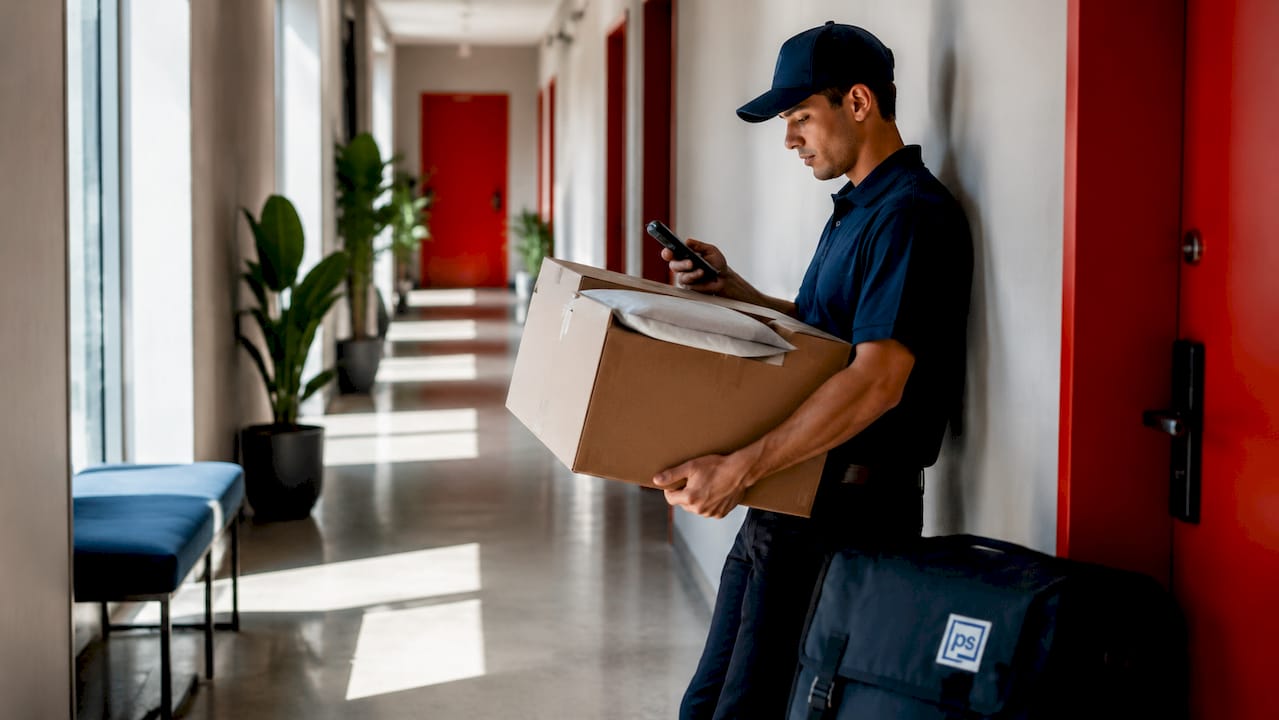
The second limitation is behavioral. Carriers do not automatically comply with locker protocols. Carrier non-compliance breaks notification chains and renders the locker investment ineffective. A UPS or FedEx driver who drops a package at the front door instead of scanning it into the locker system creates a ghost delivery: the resident gets no alert, the package sits exposed, and your staff fields the complaint.
The third limitation is operational. Abandoned packages create backlogs without management protocols in place. A resident who moved out, forgot about a delivery, or simply never picked up a package ties up a compartment indefinitely. Without a policy and someone to enforce it, that compartment is dead space.
Here is a summary of the core hardware-only gaps:
- Oversized packages overflow to unmanaged staging areas
- Carrier non-compliance breaks automated logging and alerts
- Abandoned packages block compartments and reduce capacity
- No hardware solution onboards carriers or enforces pickup deadlines
- Locker systems do not manage resident disputes or escalations independently
Pro Tip: Before finalizing your locker bank configuration, pull 90 days of package volume data and sort by carrier and package size. That data tells you exactly how many oversized compartments you need and which carriers require the most compliance training.
How does operational integration complement locker purchase?
The industry has already answered this question with its behavior. 70% of multifamily operators use a hybrid of locker systems and other methods, averaging 2.4 intake methods per property. That number tells you the market has moved past the idea that any single tool closes the loop. Operational integration is what converts a locker purchase into a functioning package management system.
Here is how that integration works in practice:
- Carrier onboarding: Every carrier serving your property, including USPS, UPS, FedEx, Amazon Logistics, and DHL, must be trained on your locker protocols before the system goes live. This means documented drop procedures, locker access credentials, and a point of contact for exceptions.
- Overflow management policy: Define in writing what happens when the locker bank is full. A dedicated overflow area with clear labeling and a daily audit prevents the package room from reverting to chaos.
- Abandoned package protocol: Set a pickup deadline, typically 72 hours, and automate reminder notifications. After the deadline, a designated staff member or managed service moves the package to a secondary holding area and logs the action.
- Access control and video integration: Integrating lockers with property access control and video surveillance creates a comprehensive audit ecosystem. When a dispute arises, you have timestamped video and locker access logs working together.
“Lockers amplify good package management systems and expose weak ones.” — Package Lockers for Apartments: A Playbook for Security, Scale, and Resident Experience
Hybrid solutions combining lockers with operational staff oversight represent the current best practice for scaling package management without proportionally scaling headcount. The hardware handles volume. The protocols handle exceptions. Together, they handle everything.
For properties that want full-service coverage, Postal Solutions offers six-day-per-week managed visits where a package manager organizes the package room, completes weekly audits, and keeps the locker system current. Without that layer, properties often pay twice: once in staff payroll and once in lost productivity when leasing agents stop leasing to sort packages.
How do you measure ROI and plan a locker purchase?
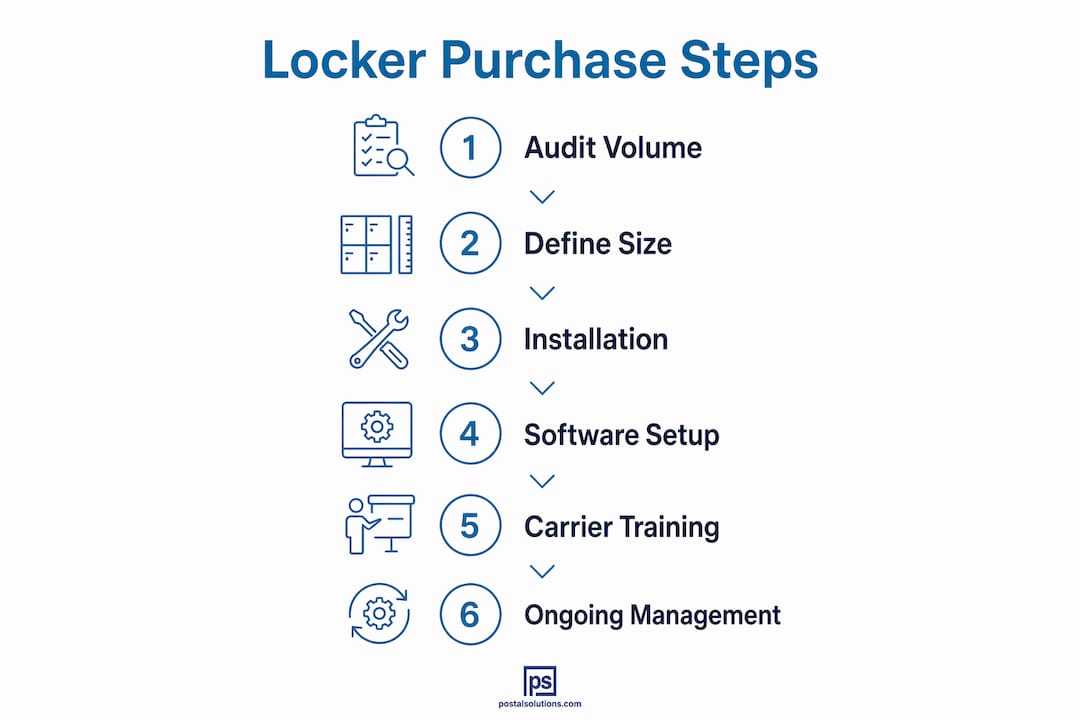
The financial case for locker purchase is straightforward when you use real numbers. Installation costs for a 200-unit community typically range from $12,000 to $36,000, depending on locker count, compartment mix, and software tier. Labor savings alone recover that investment in 12–18 months.
| Cost or Savings Factor | Typical Range |
|---|---|
| Hardware installation (200 units) | $12,000 to $36,000 |
| Monthly software and maintenance fees | $200 to $600 per month |
| Annual labor hours reclaimed | 250 to 750 hours |
| Payback period via labor savings | 12 to 18 months |
| Resident renewal rate improvement | 10% to 15% |
Beyond the upfront cost, factor in three ongoing variables. First, software subscription fees run monthly and vary by provider and feature set. Second, dedicated floor space carries an opportunity cost, especially in urban properties where square footage is expensive. Third, the package lockers for apartments configuration must match your actual package volume, not your projected volume. Undersizing the locker bank is the most common planning error, and it produces overflow problems within the first quarter of operation.
A phased rollout works well for larger communities. Start with a locker bank sized for current volume, then add capacity as delivery density grows. This approach spreads capital expenditure and gives your team time to build carrier compliance habits before the system is under full load.
Pro Tip: Request a package volume audit from your current carrier representatives before purchasing. Most major carriers will provide delivery data by address, which gives you an accurate baseline for sizing your locker bank and projecting compartment utilization.
Key takeaways
A locker purchase solves the core package delivery problem in multifamily housing, but sustained performance requires carrier compliance, overflow protocols, and operational management working alongside the hardware.
| Point | Details |
|---|---|
| Lockers reclaim significant staff time | Smart lockers reduce package handling workload by up to 60%, freeing 250–750 hours annually for resident services. |
| Hardware alone has real limits | Oversized packages, carrier non-compliance, and abandoned parcels require operational protocols beyond the locker itself. |
| Carrier onboarding is non-negotiable | Training every carrier on locker protocols before go-live prevents notification failures and delivery bypasses. |
| ROI is measurable and fast | Installation costs of $12,000–$36,000 for a 200-unit property typically pay back in 12–18 months through labor savings. |
| Hybrid systems outperform hardware alone | 70% of operators combine lockers with additional intake methods, confirming that layered approaches deliver the best outcomes. |
The uncomfortable truth about locker systems
We have been selling and installing Luxer One systems since 2016, and we have completed over 1,200 installations across more than 40% of U.S. states. That volume gives us a clear view of where locker purchases succeed and where they stall.
The properties that get the most out of their locker investment share one trait: they treat the hardware as infrastructure, not as a finished solution. The ones that struggle almost always made the same mistake. They installed the lockers, announced the launch to residents, and assumed the system would run itself. Within 60 days, the locker bank was full of unclaimed packages, carriers were dropping deliveries at the front door, and staff were back to managing package chaos manually.
Failure to onboard and enforce carrier compliance is the single most common cause of locker system failure in multifamily communities. This is not a hardware problem. It is a process problem, and no amount of technology fixes a process that nobody owns.
Our honest recommendation: budget for management alongside the hardware. Whether that means a dedicated staff role, a managed service, or a combination, the locker system needs a human layer to handle what the software cannot. Properties that make this investment see the renewal rate gains and the staff time savings the research promises. Properties that skip it see a very expensive package room that still requires manual intervention every day.
— Postal Solutions
How postal solutions manages locker systems for multifamily properties
Postal Solutions is the largest Luxer One sales agency in the country, with over 1,200 installations completed since 2016. We sell and install Luxer One package room and locker systems for conventional multifamily, student housing, senior housing, universities, and municipalities nationwide. Beyond the hardware, we offer daily package room management that includes six-day-per-week managed visits, weekly audits, and ongoing organization of your package room or locker system. This keeps resident friction low and your leasing staff focused on leasing. If you are ready to build a package management system that actually works, visit Postal Solutions to explore your options.
FAQ
Does a locker purchase fully solve package delivery issues?
A locker purchase solves the core storage and notification problems but requires carrier compliance protocols and overflow management to fully address package delivery issues. Hybrid approaches combining hardware with operational oversight deliver the most complete results.
How much does a locker system cost for a 200-unit apartment community?
Installation costs typically range from $12,000 to $36,000 for a 200-unit community, with ongoing monthly software and maintenance fees of $200 to $600. Labor savings generally recover the investment within 12–18 months.
What happens when lockers are full or packages are oversized?
Oversized packages and full locker banks require a defined overflow policy and a dedicated staging area. Without a management protocol, abandoned packages create backlogs that reduce available compartments and frustrate residents.
Why do carriers sometimes bypass locker systems?
Carriers bypass lockers when they have not been trained on the property’s specific drop protocols or lack the access credentials needed to use the system. Dedicated carrier onboarding before launch is the standard fix for this problem.
What is the best locker system for multifamily apartments?
Luxer One is widely used across conventional multifamily, student housing, and senior communities for its automated notifications, audit trail capabilities, and flexible compartment configurations. Postal Solutions has installed Luxer One in over 40% of U.S. states and can size and configure a system based on your property’s actual package volume.