How to Streamline Apartment Mailroom Operations in 2026
Discover how to streamline apartment mailroom operations in 2026. Improve efficiency, reduce disputes, and enhance resident satisfaction today!
Published
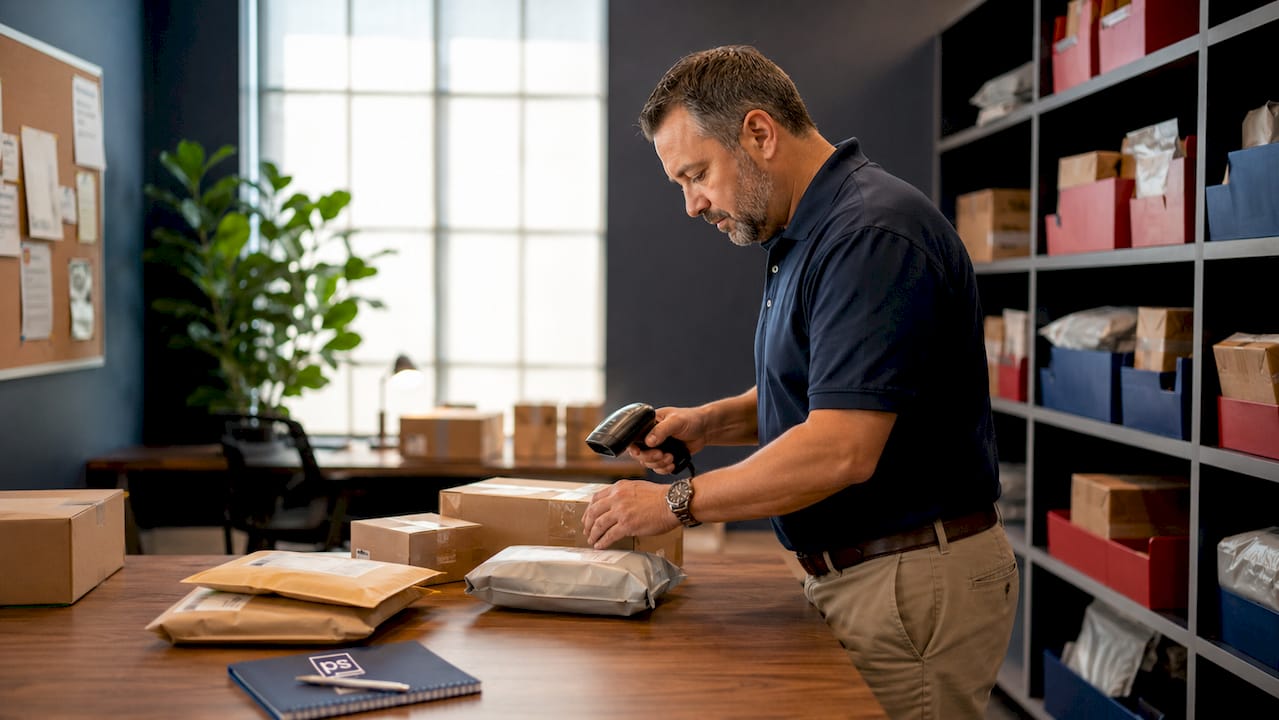
Efficient apartment mailroom management is defined as a set of standardized workflows, technology tools, and carrier protocols that move packages from intake to resident pickup without errors or delays. Property managers who streamline apartment mailroom operations reduce staff workload, cut package disputes, and measurably improve resident satisfaction. The core tools include digital package tracking software, Luxer One smart locker systems, and written carrier standard operating procedures. Getting these three elements working together is what separates a functional mailroom from a chaotic one.
What does it take to streamline apartment mailroom operations?
Before you change anything, assess what you are working with. Package volume, available square footage, current staffing, and existing technology all determine which solutions will actually fit your property. A 100-unit conventional multifamily community has different needs than a 500-unit student housing complex receiving hundreds of parcels daily.
Three baseline resources must be in place before any process improvement takes hold.
- Space: The package room must physically accommodate your peak-day volume. If carriers are stacking boxes in hallways, no software will fix that.
- Technology: At minimum, you need a digital log that records every incoming package with a timestamp and unit number. Paper logs create liability gaps that are difficult to close.
- Carrier communication: Every carrier, including UPS, FedEx, USPS, and Amazon Logistics, must receive written intake instructions before they ever enter your package room.
Pictorial SOPs issued to drivers at the start of deployment create more consistent compliance than reactive corrections after problems arise. That means your carrier instructions need to be visual, simple, and posted at the point of entry.
Pro Tip: Create a one-page pictorial SOP with photos of your staging area, label placement requirements, and oversized package zones. Laminate it and mount it at eye level inside the package room door.
| Resource | Minimum Requirement |
|---|---|
| Space | Dedicated room sized for peak-day volume |
| Digital tracking | Software that logs unit number, timestamp, and carrier |
| Carrier SOPs | Written and visual instructions distributed before first delivery |
| Staff training | At least one trained staff member per shift |
| Resident communication | Automated alerts sent at time of package intake |
How to design daily mailroom workflows for multifamily housing
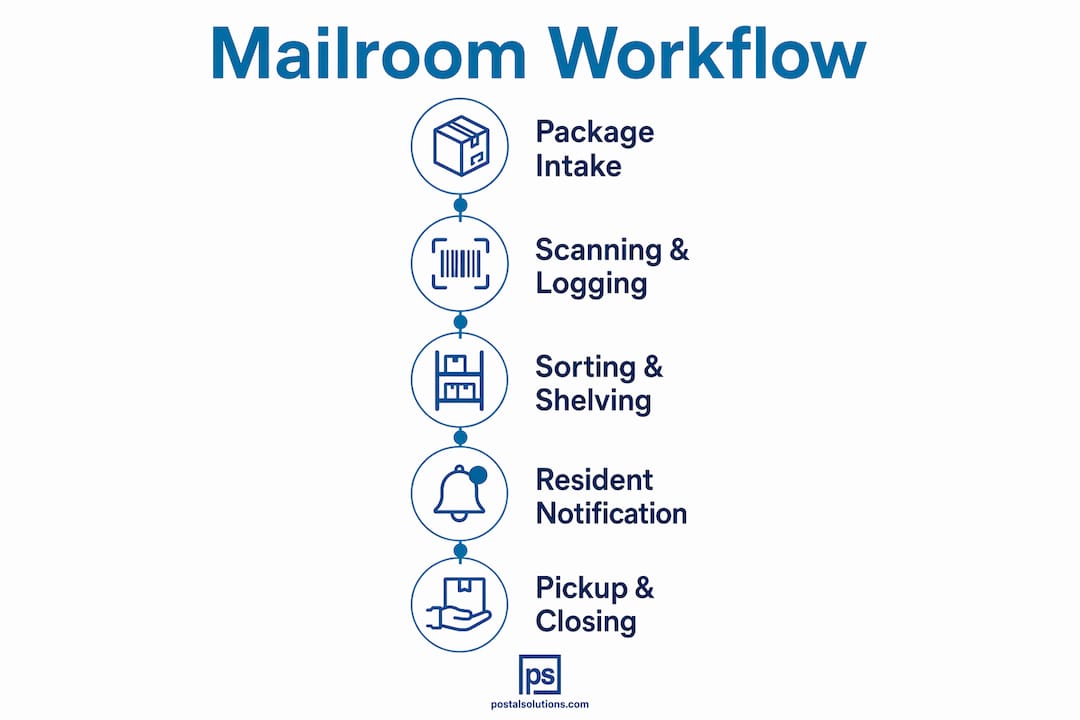
A reliable daily workflow follows the same sequence every time: intake, log, organize, notify, and audit. Deviating from this sequence is where most package rooms break down.
Package intake and logging
- Carrier arrives and scans access code or uses a site-specific QR code to enter the package room.
- Staff or the carrier places each package in the designated staging area, label facing up.
- Staff scans or manually enters the unit number into the tracking system immediately upon receipt.
- The system captures a photographic record of the package at intake.
- An automated alert goes to the resident with the pickup location and, if applicable, a secure QR code for locker access.
Automated alerts with pickup location and secure QR codes reduce front desk congestion because residents know exactly where to go without asking staff. That single change eliminates a significant share of daily interruptions for leasing teams.
Organizing the package room
The physical layout of your package room directly affects how fast residents find their packages. Organize by unit number range along labeled shelving sections. Place oversized packages in a clearly marked floor zone. Keep perishables in a refrigerated area or flag them for same-day notification. A disorganized room creates resident frustration and drives staff to spend time helping people search, which is time pulled directly from leasing and maintenance tasks.
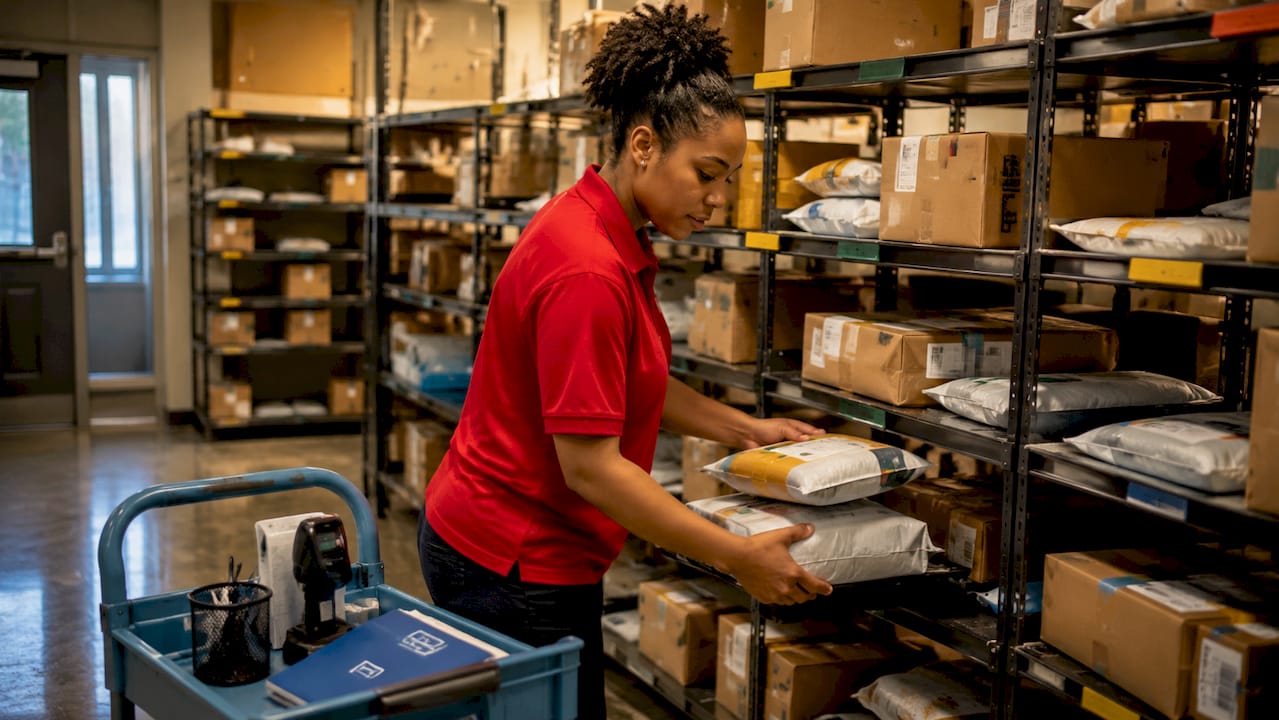
Pro Tip: Color-code shelving sections by building or floor number in larger communities. Residents locate packages faster, and staff spend less time directing traffic.
Handling exceptions
Missed deliveries, oversized freight, and perishables each need a written exception protocol. For missed deliveries, log the attempt and notify the resident with a redelivery window. For oversized items that cannot fit standard shelving, designate a floor zone and add a note in the tracking system. For perishables, send an immediate high-priority alert and set a 24-hour pickup window before contacting the resident by phone.
What technology best supports efficient mailroom management?
Successful mailroom transformations link people, processes, data, and technology together. Technology alone does not fix a broken process. It amplifies whatever process is already in place, good or bad.
The three primary technology categories for apartment package management are digital tracking software, smart locker systems, and monitored electronic package rooms.
- Digital tracking software logs every package with a timestamp, unit number, carrier, and photographic proof. It generates automatic resident notifications and produces audit reports. This is the minimum viable technology for any property above 50 units.
- Smart locker systems like Luxer One provide self-service pickup around the clock. Residents receive a unique access code and retrieve packages without staff involvement. Smart lockers suit medium-sized properties with existing infrastructure, while AI-powered package rooms fit high-volume urban communities better.
- Monitored electronic package rooms combine physical room access control with software audits. They work well for high-volume properties where locker capacity alone is insufficient.
How to choose the right technology
Match technology to your unit count, daily package volume, and staffing model. A 150-unit property with one part-time leasing agent needs a different solution than a 400-unit student housing community with dedicated package staff. The table below outlines a practical selection framework.
| Property type | Recommended technology | Key reason |
|---|---|---|
| Under 100 units | Digital tracking software | Low volume; lockers may be cost-prohibitive |
| 100–300 units | Smart locker system (e.g., Luxer One) | Self-service reduces staff dependency |
| 300+ units | Monitored electronic package room | High volume requires room-scale management |
| Student housing | Locker and package room combo | Peak volume spikes demand both options |
Purchasing technology without standardized carrier SOPs and driver training leads to package intake failures regardless of how advanced the system is. Technology is the infrastructure. Process discipline is what makes it work.
How do you troubleshoot common mailroom operational challenges?
The most common mailroom failures fall into four categories: carrier non-compliance, package disputes, staffing gaps during peak volume, and resident dissatisfaction. Each has a direct solution.
Carrier non-compliance is the leading cause of mailroom system failures. Operators who established pictorial SOPs and driver compliance mechanisms saw clear operational improvements during peak periods. Assign site-specific QR or PIN codes to high-frequency drivers. Carriers using assigned codes show better adherence to package logging procedures because the access mechanism itself reinforces the workflow.
Package disputes are almost always a documentation problem. Manual logging leaves properties vulnerable to claims they cannot disprove. Photographic intake verification creates an indisputable record that protects management and builds resident trust. When a resident claims a package was never received, a timestamped photo with the unit number visible ends the dispute quickly.
Staffing gaps during peak volume require a scheduled approach. Identify your peak delivery windows, typically monday through wednesday mornings in most multifamily communities, and schedule coverage accordingly. Cross-train at least two staff members on package room procedures so coverage gaps do not create backlogs.
Resident dissatisfaction is often a communication failure, not a package failure. Residents expect app-based notifications with automated delivery alerts and clear pickup instructions. If your system sends a vague email 30 minutes after intake, residents will still show up at the leasing office asking questions. Precise, immediate notifications with pickup location details reduce that traffic significantly.
Regular audits are the difference between a mailroom that works and one that only appears to work. Weekly package room audits catch unclaimed parcels, identify carrier compliance gaps, and surface resident communication failures before they become complaints.
Use your tracking software’s reporting features to monitor average pickup time, unclaimed package volume, and dispute frequency. These three metrics tell you where your process is breaking down. Review them weekly and adjust staffing, layout, or carrier instructions accordingly.
Key takeaways
Efficient apartment mailroom management requires standardized carrier protocols, digital tracking with photographic proof, and technology matched to your property’s scale.
| Point | Details |
|---|---|
| Start with carrier SOPs | Issue pictorial intake instructions to all carriers before deployment to prevent compliance failures. |
| Use photographic proof at intake | Timestamped photos create a chain of custody that resolves package disputes and protects management. |
| Match technology to property scale | Select digital software, smart lockers, or monitored package rooms based on unit count and daily volume. |
| Automate resident notifications | Immediate alerts with pickup location reduce front desk interruptions and improve resident satisfaction. |
| Audit weekly | Regular package room audits catch unclaimed parcels and carrier compliance gaps before they escalate. |
What we have learned after nearly a decade of managing apartment mailrooms
After working with multifamily communities across more than 40 U.S. states, the pattern is consistent. Properties that struggle with package management almost always skipped one step: they bought technology before they wrote a single carrier instruction.
A Luxer One locker system is one of the best tools available for apartment package management. We have completed over 1,200 Luxer One installations and stand behind that assessment. But a locker system installed in a package room where carriers drop boxes anywhere they want, without scanning or staging, will generate resident complaints within the first week. The technology did not fail. The process failed.
The properties that run the cleanest mailroom operations share three habits. They communicate with carriers in writing before the first delivery. They photograph every package at intake. They audit the package room on a fixed weekly schedule, not when something goes wrong.
Human oversight matters even when automation is in place. A daily visit from a trained package manager to organize the room, mark unit numbers on boxes, and flag unclaimed parcels prevents the slow accumulation of disorder that frustrates residents and consumes staff time. Without that human check, you are essentially paying twice: once for the technology and once for the staff hours spent managing the chaos the technology was supposed to prevent.
The most underrated investment in mailroom operations is not a locker system or tracking software. It is a clear, enforced carrier SOP reviewed and updated twice a year.
— Postal Solutions
How Postal Solutions supports your package room operations
Postal Solutions manages daily package room operations for conventional multifamily, student housing, and senior housing communities across the country. The service includes daily visits to organize the package room, mark unit numbers on incoming boxes, and complete weekly audits using your existing package room software or a new monitored system. Postal Solutions also sells and installs Luxer One locker systems and package rooms nationwide, with over 1,200 installations completed since 2016. For properties that want a full-service approach, Postal Solutions provides both the Luxer One hardware installation and six-day-per-week managed package room visits. Contact Postal Solutions to discuss the right combination of management and technology for your property.
FAQ
What is the first step to improve apartment mailroom operations?
Assess your current package volume and available space before changing any process or purchasing technology. Then write and distribute carrier intake instructions to every delivery driver who accesses your property.
Why do package disputes happen in apartment communities?
Package disputes almost always result from missing or incomplete intake documentation. Digital delivery logs with photographic proof provide a searchable chain of custody that resolves most claims quickly and protects the property from liability.
What technology is best for apartment package tracking?
The right technology depends on your unit count and daily volume. Smart locker systems like Luxer One work well for properties in the 100–300 unit range, while high-volume communities above 300 units typically benefit from a monitored electronic package room or a locker and package room combination.
How do you handle carrier non-compliance in a package room?
Issue site-specific QR or PIN codes to high-frequency drivers and post pictorial SOPs at the package room entrance. Carriers using assigned access codes show measurably better adherence to intake procedures than those without assigned credentials.
How often should a package room be audited?
Weekly audits are the standard for effective mailroom operations best practices. Audits identify unclaimed packages, carrier compliance gaps, and resident notification failures before they generate complaints or create liability exposure.