How to Manage High Volume Package Deliveries in Multifamily Housing
Discover how to effectively manage high volume package deliveries in multifamily housing. Boost resident satisfaction with smart technology solutions.
Published

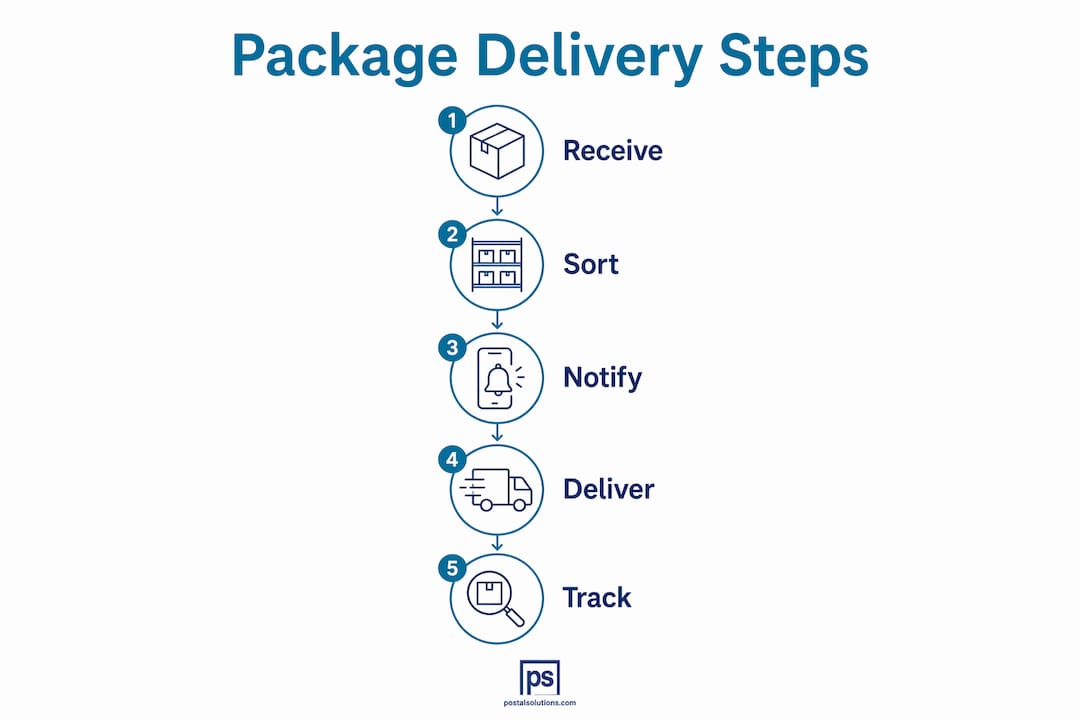
Managing high volume package deliveries is defined as the systematic process of receiving, organizing, tracking, and distributing large quantities of parcels to residents with minimal staff burden and maximum accuracy. For property managers and leasing teams in multifamily housing, this is no longer a back-office task. Parcel volume has grown to the point where it directly affects resident satisfaction, staff productivity, and operating costs. The good news is that technology tools like Luxer One automated lockers, managed package room services, and carrier compliance programs make this problem fully solvable. The key is building the right system before volume forces your hand.
What tools and technology are essential to manage high volume package deliveries?
The most effective tools for high volume package delivery management fall into three categories: automated storage, delivery management software, and performance analytics. Each one addresses a different failure point in the typical multifamily package workflow.
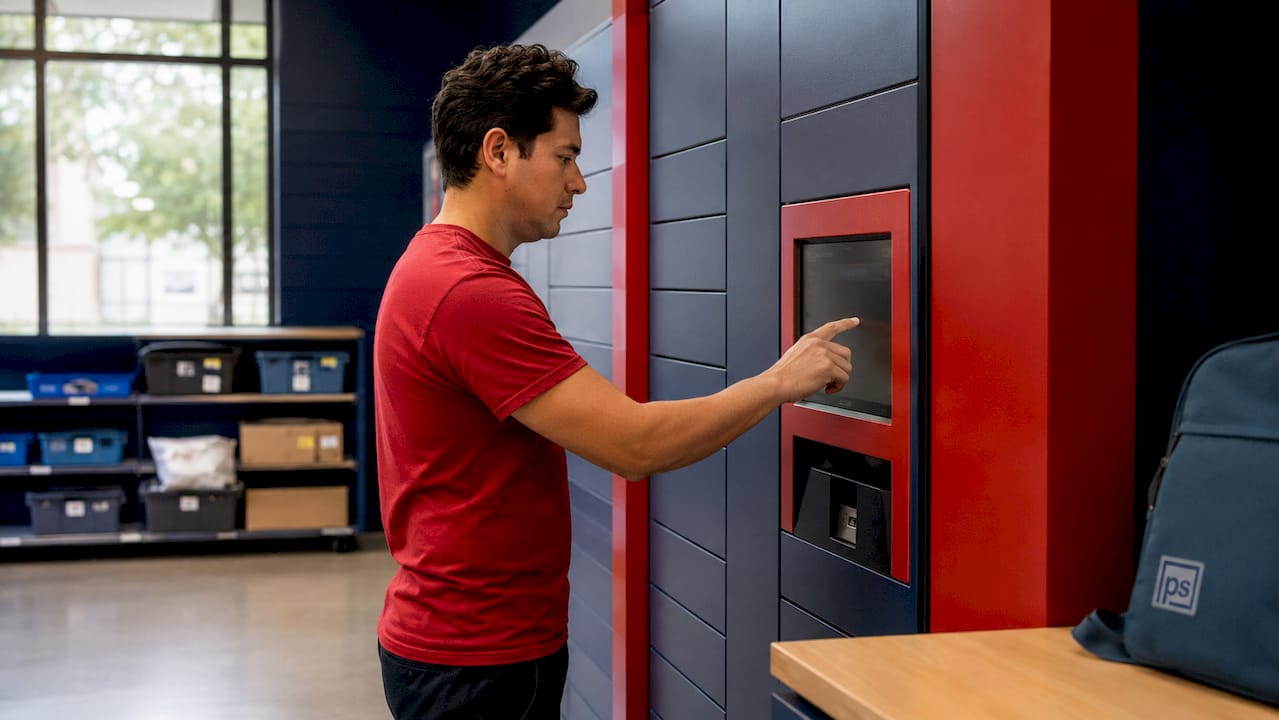
Automated package lockers and managed package rooms are the foundation. Luxer One locker systems, for example, provide residents with self-service access around the clock, removing staff from the retrieval equation entirely. Automated lockers and managed rooms reduce administrative overhead by handling routine inquiries and tasks without adding headcount. That matters because scalable solutions allow capacity to flex during peak periods without permanent staffing increases.
Delivery management software connects carrier data, resident notifications, and package room activity into one view. When this software integrates with your leasing platform, your team stops toggling between systems to answer “Where is my package?” questions. AI-powered delivery systems reduce last-mile logistics costs and time by up to 25% in residential environments through better workflow and space use. That reduction translates directly to fewer staff hours spent on package-related tasks.
Data dashboards and KPI tracking close the loop. Without performance data, you cannot tell whether your system is working. Key metrics to watch include on-time delivery rates, the percentage of leasing staff time spent on package handling, and the volume of “Where is my item?” inquiries, known in logistics as WISMO tickets.
Here is a quick comparison of the three core technology layers:
| Technology | Primary function | Key benefit for property teams |
|---|---|---|
| Automated lockers (e.g., Luxer One) | Secure, self-service package storage | Eliminates staff retrieval involvement |
| Delivery management software | Tracking, notifications, and reporting | Reduces WISMO tickets and manual lookups |
| Analytics dashboards | KPI monitoring and audit trails | Identifies bottlenecks before they become crises |
- Automated lockers handle resident pickup without staff involvement
- Software integrations connect carrier data to resident notifications automatically
- Analytics dashboards surface performance gaps before they affect residents
- Weekly audits via package room software keep inventory current and accurate
Pro Tip: If your leasing staff spends more than 15% of their time on package handling, that is a measurable signal that automation is overdue.
How to design standardized processes that reduce manual effort
Standardized intake processes are the single biggest lever property teams have for reducing package chaos. Without them, every carrier delivers differently, labels vary in format, and staff spend hours on what amounts to search-and-rescue missions for misplaced parcels.
Start with these four steps:
- Set carrier labeling requirements. Require all carriers to include the unit number on every package label. This one rule eliminates the most common source of package room confusion. Standardized labeling and carrier compliance prevents package creep and mailroom chaos, especially during peak seasons.
- Automate resident notifications. Configure your package management software to send an alert the moment a parcel is logged. Residents who know their package has arrived retrieve it faster, which keeps the package room from filling up.
- Assign a dedicated package concierge or daily audit. A managed daily visit to the package room, where a trained person highlights unit numbers on address labels or handwrites the unit number directly on the box, dramatically reduces the time residents spend searching. Daily audits and package concierge services reduce resident frustration and staff overload from package search requests.
- Build an exception handling protocol. Define exactly what happens when a package arrives with no unit number, when a resident claims a parcel is missing, or when a carrier leaves items outside the designated room. Written protocols prevent each exception from becoming a staff judgment call.
Pro Tip: Handwriting the unit number directly on the box takes seconds per package and cuts resident retrieval time significantly. It is one of the highest-return habits a package room manager can build.
Hidden payroll costs from manual package handling go beyond physical labor. Lost productivity from staff pulled away from leasing activities is a real cost that rarely appears on a budget line. Outsourcing daily package room management or installing automated lockers converts that variable labor cost into a fixed, predictable operational expense.
What strategies optimize space and workflow during peak volume periods?
Peak seasons, particularly november through january and back-to-school periods for student housing, expose every weakness in a package management system. The properties that handle surges well share one trait: they planned for volume before it arrived.
Key strategies for managing peak periods include:
- Scale locker capacity in advance. Luxer One systems offer modular configurations, meaning you can add locker banks before a surge rather than scrambling during one. Properties that wait until the package room is overflowing have already lost the battle.
- Coordinate with carriers ahead of time. Contact your primary carriers before peak seasons to confirm delivery windows, volume expectations, and any changes to their drop-off procedures. Surprises during peak periods cost time and resident goodwill.
- Outsource daily package room management. Bringing in a managed service for daily organization during high-volume stretches keeps the room current without adding permanent staff. This is the operational equivalent of surge pricing in reverse: you pay for capacity only when you need it.
- Consolidate and plan load intake. Designate specific intake windows and a clear physical flow through the package room. Packages that arrive in an organized sequence are faster to log, label, and store.
Here is a comparison of reactive versus proactive peak management approaches:
| Approach | Timing | Outcome |
|---|---|---|
| Reactive (wait for overflow) | After crisis hits | Staff burnout, resident complaints, lost packages |
| Proactive (plan before surge) | 4–6 weeks before peak | Controlled intake, faster retrieval, fewer complaints |
Proactive scalable technology and carrier partnerships prevent the resident dissatisfaction that comes from waiting for a holiday surge to force an upgrade. The cost of acting early is always lower than the cost of recovering from a breakdown.
How can strong carrier relationships improve package delivery outcomes?
Carrier relationships are an underused tool in multifamily package management. Most property teams treat carriers as vendors they have no influence over. That is a missed opportunity.
- Negotiate volume-based contracts. Volume-based carrier contracts provide reduced rates, guaranteed capacity, and protection from market fluctuations. Focus on total cost of ownership, not just the base rate per package.
- Enforce labeling compliance. Send written requirements to every carrier that delivers to your property. Specify that unit numbers must appear on every label. Follow up with carriers whose drivers consistently skip this step.
- Conduct regular performance reviews. Track each carrier’s on-time rate, labeling compliance, and damage rate quarterly. Share the data with your carrier contacts. Carriers respond to documented performance feedback.
- Use multiple carriers for regional coverage. No single carrier is strongest in every market. Multi-carrier rate shopping and invoice auditing yield significant cost savings and faster deliveries at high volumes. Diversifying your carrier mix also protects you if one carrier experiences service disruptions.
Strong carrier relationships do not happen by accident. They require consistent communication, written standards, and a willingness to hold carriers accountable to the same performance expectations you hold your own team to.
What common pitfalls should property teams avoid?
The most expensive mistakes in package management share a common thread: they all stem from treating parcel logistics as a low-priority task until it becomes a crisis.
- Underestimating hidden labor costs. When leasing staff spend hours each week sorting packages, answering retrieval questions, and chasing down missing parcels, that time comes directly out of resident engagement and leasing activity. The cost is real, even when it does not show up as a line item.
- Delaying automation until a breaking point. Delaying scalable technology until peak crises occur leads to degraded resident experience and staff burnout. The right time to install a Luxer One system or launch a managed package room service is before volume overwhelms your current process.
- Ignoring resident retrieval synchronization. A package room that is perfectly organized still fails if residents do not know their parcel has arrived or cannot access the room easily. AI-native decisioning and managed audits reduce failed pickups and shift the retrieval burden from staff to self-service infrastructure.
- Failing to standardize carrier labeling. Inconsistent labeling leads to chaotic package rooms and unmanaged overflow during peak seasons. This is preventable with a one-page carrier compliance document sent to every delivery partner.
“Successful property managers treat parcel management as financial infrastructure, not just a chore. That mindset shift is what separates properties with smooth operations from those in constant reactive mode.”
Key Takeaways
Efficient package delivery management in multifamily housing requires automated storage, standardized intake processes, and proactive carrier coordination working together as a system.
| Point | Details |
|---|---|
| Automate before volume peaks | Install locker systems or managed services before surge seasons, not after they expose gaps. |
| Standardize carrier labeling | Require unit numbers on every label to eliminate the most common source of package room confusion. |
| Track performance with KPIs | Monitor on-time rates, WISMO tickets, and staff time spent on packages to identify problems early. |
| Treat packages as infrastructure | Hidden labor costs and lost productivity make parcel management a financial issue, not just a logistics one. |
| Use carrier contracts strategically | Volume-based agreements reduce costs and guarantee capacity during high-demand periods. |
The case for treating package management as core operations
After working with multifamily communities across the country, the pattern is clear: properties that struggle with packages are almost always the ones that added solutions reactively. They bought a locker system after residents complained. They hired extra help after the holiday season buried their team. They wrote carrier rules after a month of chaos.
The properties that run well made a different decision. They looked at package volume as a permanent, growing part of their operating model and built for it accordingly. That means a Luxer One system sized for future volume, not current volume. It means a managed daily package room visit so the room stays current six days a week. It means carrier compliance standards written down and enforced before the first surge hits.
The financial case is straightforward. A property paying leasing staff to sort packages is paying twice: once in salary and once in lost productivity on tasks that actually drive revenue. Outsourcing daily package room management or installing a monitored locker system converts that unpredictable cost into a fixed one. Fixed costs are easier to budget, easier to justify, and easier to scale.
The resident satisfaction case is just as clear. Residents who can retrieve packages at midnight without calling the office are happier residents. Happier residents renew leases. That connection between package management and retention is not theoretical. It shows up in renewal rates.
My honest advice: do not wait for a complaint surge to act. Review your current package room process this quarter, measure how much staff time it consumes, and compare that number against the cost of a managed solution. The math almost always favors the upgrade.
— Postal Solutions
How Postal Solutions supports multifamily package management
Postal Solutions has managed package room operations and sold Luxer One systems since 2016, making it the largest Luxer One sales agency in the country with over 1,200 installations across more than 40% of U.S. states. For property teams that need a full-service approach, Postal Solutions offers daily package room management with six-day-per-week managed visits, weekly audits, and unit-number labeling on every parcel. For communities ready to add hardware, Postal Solutions sells and installs Luxer One locker and package room systems for conventional multifamily, student housing, senior housing, and more. Both services work together or independently, depending on what your property needs right now.
FAQ
What are the signs a property needs automated package management?
Key indicators include on-time delivery rates below 93%, WISMO tickets above 20%, and package handling consuming more than 15% of leasing staff time. Any one of these signals that manual processes are no longer sufficient.
How does a managed package room service work?
A managed package room service sends a trained person to the property daily to organize incoming parcels, mark unit numbers on boxes, and complete weekly audits using the community’s existing package management software. Postal Solutions provides this service six days per week.
What is a Luxer One locker system?
Luxer One is an automated, electronic locker system that allows carriers to deposit packages securely and residents to retrieve them at any time without staff involvement. Postal Solutions is the largest Luxer One sales agency in the United States.
How do carrier labeling standards reduce package room problems?
Requiring carriers to include the unit number on every label eliminates the most common cause of misplaced packages. Consistent labeling prevents package creep and keeps the room organized even during peak delivery periods.
Can outsourcing package management reduce operating costs?
Yes. Hidden payroll costs from manual package handling include lost productivity, not just physical labor time. Outsourcing converts variable labor costs into a fixed operational expense that is easier to budget and scale.