Meet Package Demand for Metro Apartment Renters
Discover how to meet package demand for metro apartment renters, boosting retention and leasing success in today’s urban market.
Published
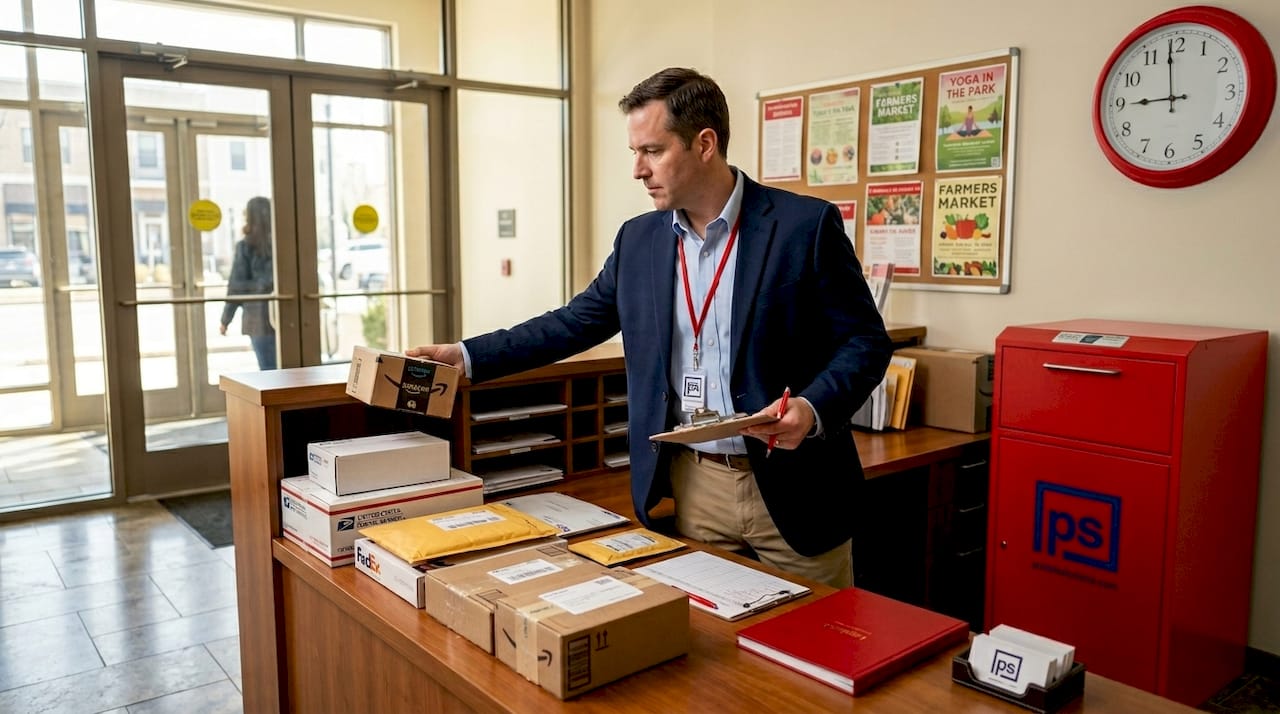
Package demand management in multifamily housing is defined as the operational system a property uses to receive, organize, secure, and distribute the growing volume of parcels delivered to urban apartment residents daily. American households now receive an average of 167 packages per year, and metro apartment buildings absorb that volume without the infrastructure single-family homes take for granted. For property managers and leasing teams, the ability to meet package demand for metro apartment renters is no longer a back-office logistics problem. It is a direct driver of leasing decisions, renewal rates, and competitive positioning in dense urban markets.
Why meeting package demand shapes leasing and retention
Package handling quality has a measurable impact on whether residents sign and whether they stay. 85% of renters say package convenience influences their leasing decisions, and 20% of lease renewals are directly affected by how well a property manages package delivery amenities. Those numbers reflect a shift in resident expectations that has accelerated with the growth of Amazon, FedEx, and UPS same-day and next-day delivery culture. Residents no longer compare your package room to the one down the hall. They compare it to the experience they get at home.
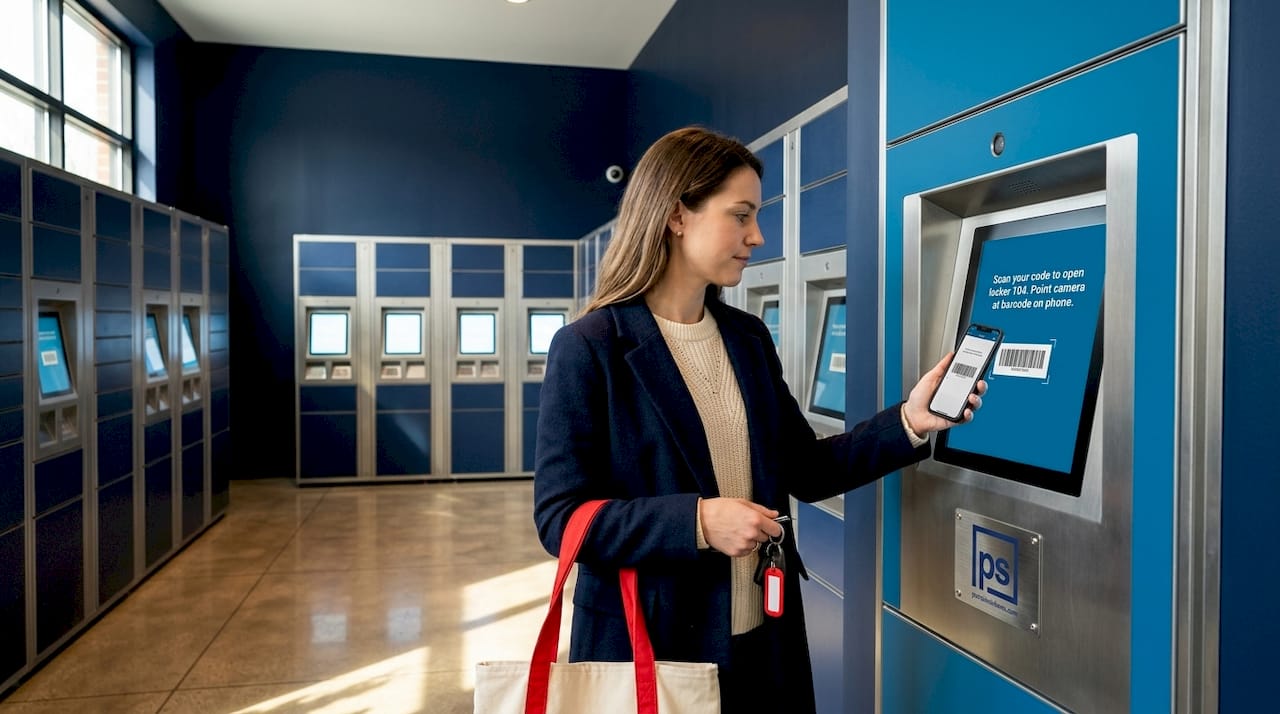
Urban renters package management has moved from a nice-to-have amenity to a baseline expectation. Properties that treat it as an afterthought face a compounding problem: frustrated residents, overworked staff, and a leasing pitch that falls flat against competitors who have invested in the right systems. The properties that get this right turn their package reception systems into a marketing asset, citing 24/7 access, instant notifications, and secure storage as differentiators in their leasing materials.
Key reasons package management drives resident satisfaction and retention:
- Residents judge the property on the end-to-end delivery experience, from carrier drop-off to personal pickup
- Real-time tracking and doorstep delivery standards set by national retailers now define what residents expect from their building
- A disorganized package room creates friction at every pickup, which residents associate directly with poor property management
- 24/7 resident access, instant notifications, and secure storage convert package handling from a cost center into a competitive amenity
What challenges do property managers face with package volume?
The operational reality of servicing metro apartment dwellers at scale is more demanding than most leasing teams anticipate before they are in the middle of it. A typical 400-unit urban building receives approximately 187 packages daily, and properties not designed for that volume see staff overload and resident wait times stretching to 30 minutes. That is not a minor inconvenience. It is a recurring friction point that accumulates into lease non-renewals.
“Carrier non-compliance is the top frustration in package management, cited by 70% of respondents, followed by staff time consumption and resident complaints, each at 50%.”
The carrier compliance problem deserves specific attention because it is the most controllable variable that most properties ignore. Drivers from UPS, FedEx, Amazon Logistics, and USPS each follow different delivery protocols, and without enforced building-specific procedures, packages end up in the wrong location, unlabeled, or inaccessible to residents. That single failure point cascades into staff time spent searching for parcels, resident complaints, and lost packages.
Additional operational challenges that compound the volume problem include:
- Space constraints: Metro apartment buildings rarely have package rooms sized for current delivery volumes, let alone projected growth
- Oversized items: Furniture, appliances, and bulk orders from Costco or Chewy arrive in dimensions that standard lockers cannot accommodate
- Peak surge periods: Holiday seasons, back-to-school periods for student housing, and Amazon Prime events create volume spikes that overwhelm static infrastructure
- Manual tracking gaps: Without automated logging, staff cannot confirm receipt, and residents cannot verify whether their package has arrived
What solutions actually work for efficient package handling?
Expanding package hardware alone is a temporary fix. The operators who solve this problem long-term combine process restructuring, vendor accountability, and carrier compliance enforcement with the right technology for their specific property profile. The solution set is not one-size-fits-all. A 150-unit mid-rise in Chicago has different needs than a 600-unit high-rise in Manhattan or a 300-bed student housing community in Austin.
| Solution type | Best fit | Key benefit |
|---|---|---|
| Smart locker systems (e.g., Luxer One) | Properties of all sizes, high-traffic lobbies | 24/7 self-service access, automated notifications, reduced staff involvement |
| Managed package room with daily organizing | Mid-to-large conventional and student housing | Organized retrieval, weekly audits, unit number labeling on every parcel |
| Off-site delivery services (e.g., Fetch) | High-volume urban properties with space constraints | Eliminates on-site package burden by routing all parcels to a warehouse for direct resident delivery |
| Vision technology smart rooms | Large urban properties, 400+ units | Reduces staff requirements dramatically, as seen in NYC case studies |
Smart package rooms using vision technology represent the most significant operational shift in the industry right now. One large New York City property reduced its package-handling staff from 12 to 2 after implementing a vision-tech package room. That is not a marginal efficiency gain. It is a structural change in how the building operates, and it frees leasing and management staff to focus on resident relationships rather than parcel logistics.
Pro Tip: When evaluating package delivery services and locker vendors, ask specifically how their system handles oversized items and carrier non-compliance events. A vendor that cannot answer both questions with a documented protocol is not ready for a high-volume metro property.
Off-site delivery services like Fetch take a different approach entirely by removing the on-site burden from the equation. All packages route to a Fetch warehouse, and the service delivers directly to the resident’s door on a scheduled basis. This model works well for properties with severe space constraints, but it requires resident adoption and adds a layer of coordination that some communities find difficult to manage consistently.
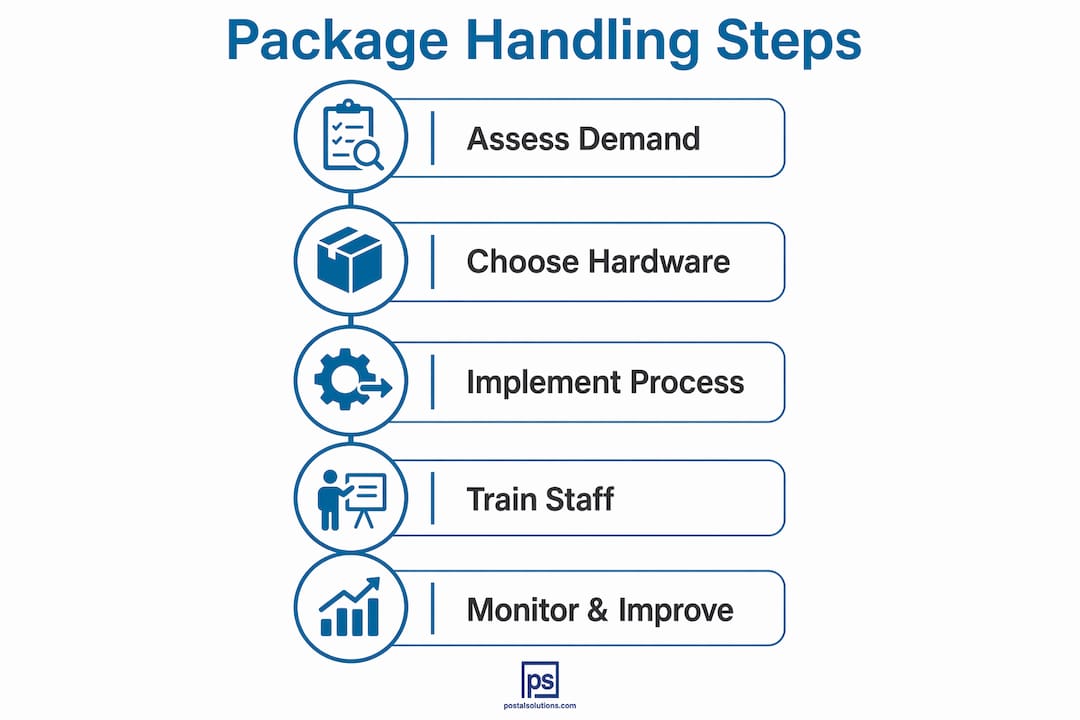
How to implement a package management system step by step
A structured implementation process prevents the most common failure mode: buying technology without building the operational foundation to support it. Follow this sequence to deploy a package reception system that holds up under daily metro apartment volume.
-
Assess your baseline. Count your current daily package volume, measure your available package room square footage, and document how many staff hours per week go toward package handling. Without this data, you cannot size a solution correctly or measure improvement later.
-
Match the solution to your property profile. Unit count, resident demographics, building layout, and budget all determine whether a Luxer One locker system, a managed package room, a smart room with vision technology, or a hybrid model fits best. Student housing communities, for example, have different peak periods and pickup behaviors than conventional multifamily or senior housing.
-
Develop carrier training materials. Create a one-page delivery protocol document specific to your building and distribute it to UPS, FedEx, Amazon Logistics, and USPS route managers. Post clear signage at every entry point carriers use. Carrier compliance does not happen by default. It requires active management and consistent reinforcement.
-
Set up resident-facing notifications. Whether you use Luxer One’s built-in notification system, your property management software, or a third-party platform, residents need an immediate alert when a package arrives. Properties that rely on residents to check the package room on their own schedule generate unnecessary foot traffic and complaints.
-
Define your staffing model. Effective package management is never truly staff-free. A hybrid model combining direct-to-door delivery and package room overflow management works best for most metro properties. Plan for daily package room organizing, unit number labeling on incoming parcels, and weekly audits to keep the system current.
-
Monitor KPIs and adjust vendor partnerships. Track package pickup rates, average time-to-pickup, staff hours spent on package tasks, and resident complaint volume monthly. Use that data to hold vendors accountable and to identify when your current solution has reached its capacity ceiling.
Pro Tip: Building package handling as baseline infrastructure rather than a retrofit reduces resident friction at every pickup and creates an effortless experience that residents notice and mention in reviews.
Key takeaways
Effective package management in metro apartments requires combining the right technology with consistent carrier compliance enforcement and daily operational discipline, not hardware alone.
| Point | Details |
|---|---|
| Package demand drives leasing | 85% of renters say package convenience influences their leasing decision, making it a direct revenue factor. |
| Volume is larger than expected | A 400-unit building receives roughly 187 packages daily, requiring infrastructure and processes built for that scale. |
| Carrier compliance is the top failure point | 70% of operators cite carrier non-compliance as their primary frustration, and it is the most controllable variable. |
| Technology must match property profile | Locker systems, smart rooms, managed services, and off-site delivery each serve different property types and sizes. |
| Daily operations determine outcomes | Weekly audits, unit number labeling, and resident notifications are what separate a functioning system from a chaotic one. |
What we have learned from a decade of package management in urban multifamily
After nearly a decade of working with apartment package management across conventional multifamily, student housing, and senior communities, one pattern stands out clearly: properties that treat package management as a technology purchase consistently underperform compared to those that treat it as an operational discipline.
The technology matters. Luxer One locker systems and smart package rooms with vision technology are genuinely transformative tools. But the properties that see the best resident satisfaction scores and the lowest staff burden are the ones that also have someone showing up daily to organize the package room, label boxes with unit numbers, and run weekly audits. The hardware does not self-correct when a carrier drops 40 packages in the wrong section or when a resident’s oversized delivery blocks the entire room.
The other pattern worth naming directly: resident expectations are not going to reset. Amazon’s delivery standards, same-day fulfillment from Target and Walmart, and subscription services like Chewy and HelloFresh have permanently raised what residents consider acceptable. A property that was managing packages adequately in 2022 is likely falling short of resident expectations in 2026 without meaningful upgrades to its systems and processes.
The properties that turn this into a competitive advantage are the ones that stop asking “how do we handle packages?” and start asking “how do we make package pickup effortless?” That shift in framing changes everything from how you design the package room to how you train carriers to how you communicate with residents about their deliveries.
— Postal Solutions
How Postal Solutions helps metro apartment properties manage package demand
Postal Solutions manages package room operations for apartment communities across the country, from daily organizing and unit number labeling to weekly audits and full Luxer One locker system sales and installation. As the largest Luxer One sales agency in the United States, with over 1,200 installations across more than 40% of U.S. states, Postal Solutions brings direct expertise to properties of every size and class. Whether your community needs a managed daily visit to keep your existing package room organized, a new Luxer One smart locker system, or a combined solution that covers both, Postal Solutions manages the operational details so your leasing team can focus on residents. Explore smart locker options or contact Postal Solutions directly at postalsolutions.com to discuss the right fit for your property.
FAQ
How many packages does a typical metro apartment building receive daily?
A 400-unit urban apartment building receives approximately 187 packages per day. Properties without adequate infrastructure and staffing models see resident wait times reach 30 minutes during peak periods.
What is the biggest operational challenge in apartment package management?
Carrier non-compliance is the top frustration, cited by 70% of multifamily operators. Without enforced building-specific delivery protocols, packages arrive mislabeled, in the wrong location, or inaccessible to residents.
Do smart locker systems eliminate the need for staff involvement?
No. Effective package management requires a hybrid model that combines technology like Luxer One lockers with daily human oversight, including package room organizing, unit number labeling, and weekly audits to keep the system accurate.
How does package handling affect lease renewals?
20% of lease renewals are directly impacted by how well a property manages package delivery amenities. Residents who experience consistent friction at pickup are significantly more likely to consider relocating at renewal time.
What is the difference between a managed package room and an off-site delivery service?
A managed package room keeps packages on-site in an organized, accessible space with daily operational oversight. An off-site delivery service like Fetch routes all packages to an external warehouse and delivers directly to residents, removing on-site storage requirements entirely but requiring resident adoption and scheduling coordination.
Recommended
- Daily Package Room Organizing for Apartments — 50 US Metros | Postal Solutions
- Apartment Package Management Services | Multifamily Package Room Operations | Postal Solutions
- Package Lockers for Apartments | Multifamily Smart Lockers | Postal Solutions
- Daily Package Room Organizing for Minneapolis, MN Apartments | Postal Solutions