Property Management Amenities That Attract and Keep Tenants
Property Management Amenities That Attract and Keep Tenants The amenities that fill your property’s leasing brochure today are not the same ones closing leases. High-speed internet, in-unit laundry, pet-friendly policies, secure package man
Published
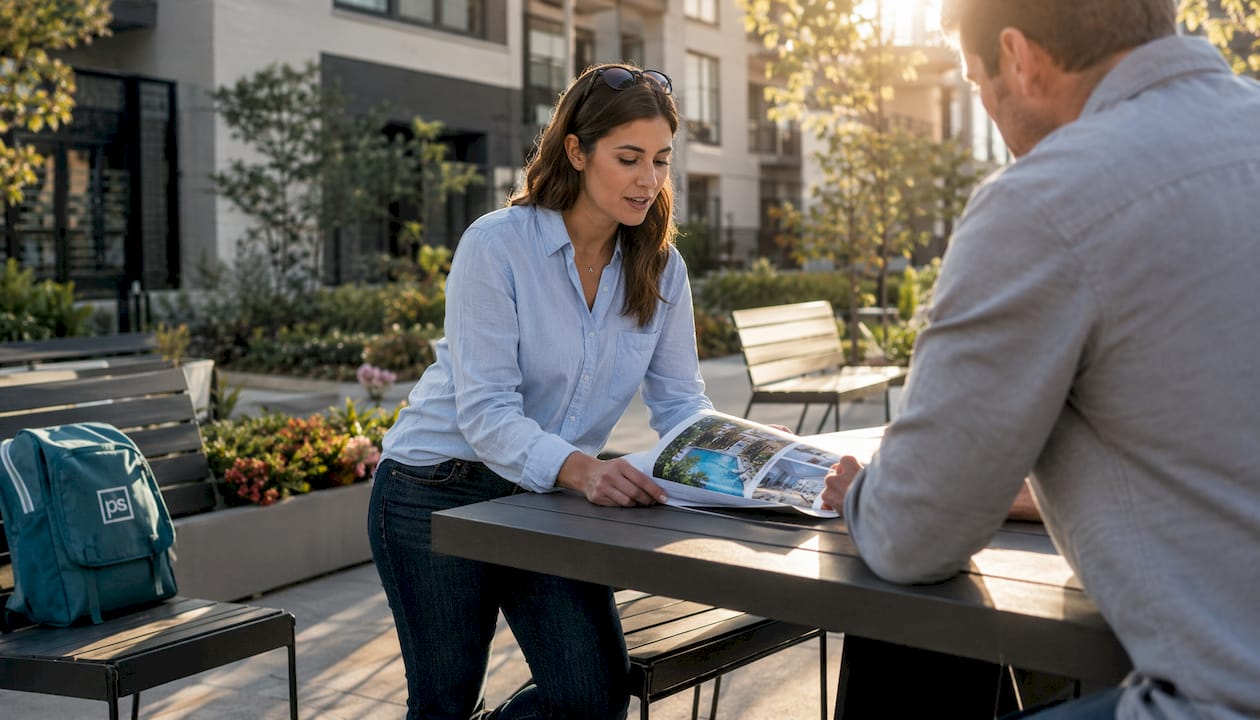
The amenities that fill your property’s leasing brochure today are not the same ones closing leases. High-speed internet, in-unit laundry, pet-friendly policies, secure package management, fitness centers, and outdoor social spaces now define whether a prospect signs or walks. The NMHC and Grace Hill 2022 Renter Preferences Survey of 221,000 renters across 4,564 communities confirmed this shift in detail. Property managers who treat these features as optional upgrades are competing at a disadvantage against operators who treat them as baseline infrastructure.
Here is a quick-reference list of the property management amenities renters prioritize most in 2025–2026:
- High-speed internet and reliable cell reception
- In-unit washer and dryer
- Pet-friendly policies with dedicated pet amenities
- Fitness centers and wellness spaces
- Outdoor social areas, rooftop decks, and activity zones
- Covered parking and secure bike storage
- Package management systems with secure lockers or managed rooms
- Smart home and energy-efficient features
- Security systems and controlled community access
- Coworking spaces and community lounges
- On-site maintenance and responsive property management services
- Sustainability and eco-friendly building features
- Accessibility features for differently-abled residents
- Childcare facilities
- App-based controls and digital communication tools
Table of Contents
- What property management amenities actually drive leasing and retention?
- How Postal Solutions approaches package management as a property amenity
- What amenity trends are reshaping multifamily in 2025 and beyond?
- Postal Solutions manages what your staff shouldn’t have to
- FAQ
- Key takeaways
What property management amenities actually drive leasing and retention?
Knowing which features matter is one thing. Understanding why each one moves the needle is what separates a well-run property from one that struggles to fill units.
High-speed internet and connectivity
Connectivity is no longer a perk. The NMHC/Grace Hill survey found 89% of renters want high-speed internet and are willing to pay approximately $48 per month extra for it. Reliable cell reception ranked as the single most popular community amenity in that same study. Fiber infrastructure and managed Wi-Fi are now table stakes for any competitive multifamily property.
In-unit laundry
Renters ranked in-unit washer and dryer as the top feature they would pay a premium for, at $55 per month above base rent. The convenience of skipping shared laundry rooms is straightforward, but the operational reality for property managers is equally clear: properties without in-unit laundry face a harder leasing conversation in most markets.
Pet-friendly policies
Pet ownership among renters has grown steadily, and communities that accommodate pets attract a broader, more loyal resident base. Beyond a basic pet policy, full-service pet spas, plumbed hydration stations, and dog parks designed for actual play and socialization are becoming standard in competitive properties. Dog parks with proper fencing, vestibules, water features, and waste stations signal that a community takes pet ownership seriously.
Fitness centers and wellness amenities
Fitness centers are increasingly viewed as important or essential by a large share of renters, according to a recent design survey by Greystar. That figure pushed fitness centers into the top five desired amenities for the first time. Demand centers on free weights, 24/7 access, and water stations rather than large, underused cardio floors. Wellness spaces are expanding beyond the gym to include yoga studios, meditation rooms, saunas, and cold plunge pools.

Outdoor spaces and social areas
Outdoor amenity zones extend a property’s usable footprint and serve as primary social hubs. Covered lounges, fire pits, grilling areas, pickleball courts, and rooftop decks consistently rank among the most requested features. Outdoor cinemas climbed nearly seven percentage points in popularity in 2025, now favored by half of renters nationwide.
Parking and secure bike storage
Covered parking and bike storage remain top-requested features in US metropolitan areas. In colder markets like Minneapolis, covered parking is a near-universal expectation. Secure bike storage addresses both urban commuter needs and the growing preference for active transportation, and it costs far less to provide than additional vehicle parking.
Package management solutions
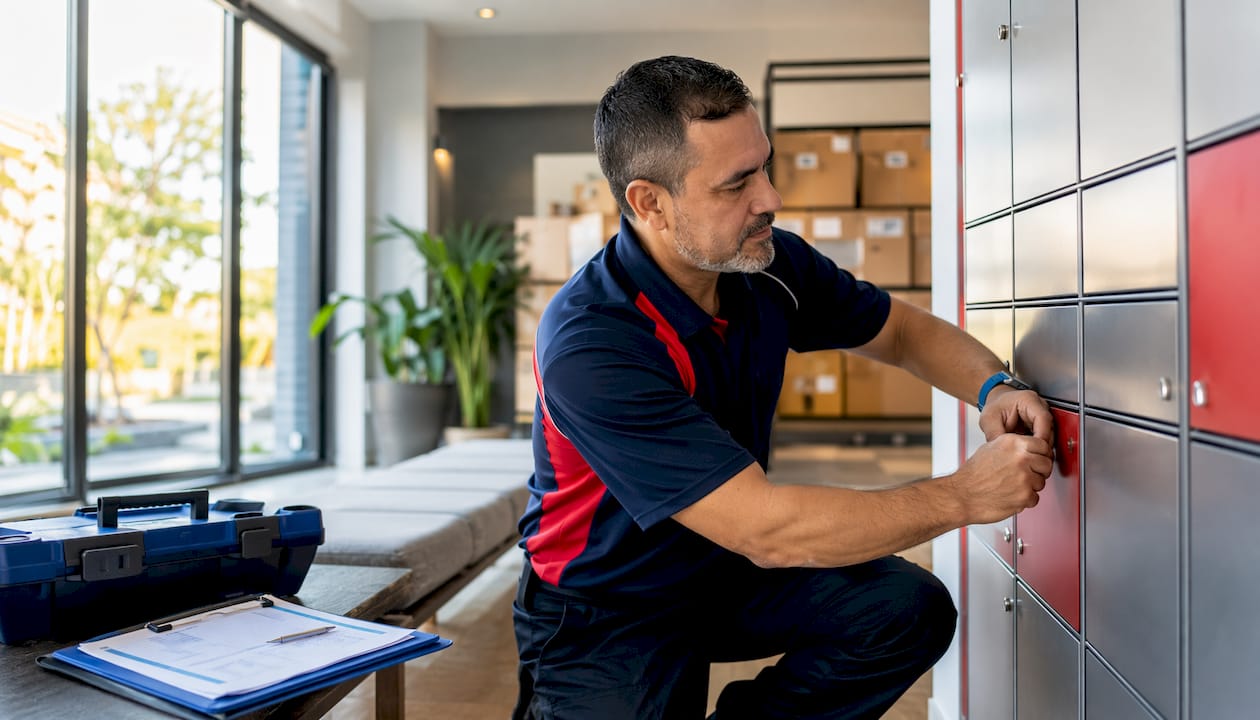
Package volume among renters has grown sharply. The share of renters receiving three or more packages per month rose from 55% in 2019 to 76% by 2022. Properties without a reliable package management system create daily friction for residents and consume staff time. Secure locker systems and managed package rooms solve both problems simultaneously. Learn more about safe package acceptance practices that protect residents and reduce liability.
Smart home and energy-efficient features
Smart locks, controlled community access, and managed Wi-Fi all ranked in the top half of preferred features in Greystar’s 2025 survey. App-based entry, thermostat controls, and energy-efficient appliances reduce utility costs for residents while lowering operating expenses for owners. These features also align with the sustainability expectations that Pacific Northwest and Mountain West renters hold particularly strongly.
Security features and neighborhood safety
Controlled access, smart locks, and well-lit common areas directly affect a resident’s sense of safety and their willingness to renew. Security is rarely the headline amenity in a leasing pitch, but its absence is one of the fastest ways to lose a renewal.
Community and coworking spaces
The large, generic clubroom is losing ground to smaller, flexible spaces. Enclosed coworking pods for one to three people, bookable private offices, and quiet zones for hybrid workers address how residents actually use their buildings during the workday. Properties that manage multiple rental properties online increasingly rely on booking infrastructure to manage these spaces as revenue-generating amenities rather than overhead.
On-site maintenance and property management services
Responsive maintenance is one of the most direct drivers of renewal decisions. Residents who submit a work order and hear nothing for days form a negative impression that no amenity package can fully offset. Digital maintenance request systems with real-time status updates have become an expected part of the resident experience.
Sustainability and eco-friendly initiatives
Fresh air ventilation, energy-efficient lighting, and eco-friendly pest control rank highly in West Coast and Pacific Northwest markets. Greystar’s 2025 survey noted that while renters’ willingness to pay extra for sustainability features declined by an average of 24% year-over-year, the features themselves remain popular. The practical takeaway: sustainability features support leasing without necessarily commanding a premium in every market.
Accessibility features
ADA-compliant units, accessible common areas, and features like wider doorways and roll-in showers serve a growing segment of renters and reduce legal exposure. Accessibility is also a factor in attracting senior housing residents, where it shifts from a preference to a requirement.
Childcare facilities
On-site childcare ranked among the amenities renters would pay the highest premium for, at $48 per month above base rent in the NMHC/Grace Hill survey. For families with children, proximity to quality childcare is a practical necessity that can anchor a long-term tenancy.
Technology-enabled convenience features
App-based rent payment, digital lease signing, maintenance request portals, and community communication platforms reduce friction at every touchpoint. Residents who can manage their entire tenancy from a phone are less likely to feel burdened by administrative tasks, and that ease of interaction contributes to renewal rates.
How Postal Solutions approaches package management as a property amenity
Package management has moved from a back-office logistics problem to a front-line resident amenity. Properties that get it right reduce staff workload, cut resident complaints, and create a measurable competitive advantage.
Postal Solutions has managed this challenge for multifamily communities since 2016. As the largest Luxer One sales agency nationally, Postal Solutions has completed over 1,200 Luxer One installations across more than 40% of U.S. states, serving conventional multifamily housing, student housing, senior housing, on-campus universities, and large Public Private Partnerships.
The Postal Solutions model covers three distinct service areas:
- Luxer One system sales and installation: Postal Solutions sells and installs Luxer One package room and locker systems, including combo configurations that handle both parcel lockers and overflow package rooms.
- Daily package room management: A package manager visits the property daily to organize the package room, mark unit numbers on boxes, and keep the system current so residents can locate their packages without staff assistance.
- Weekly audits: Regular audits via the community’s existing package room software, or through a Luxer One system sold and installed by Postal Solutions, keep inventory accurate and reduce the volume of “lost package” complaints.
Pro Tip: Properties that rely solely on leasing staff to manage package rooms are paying twice: once in payroll and once in lost productivity. A dedicated managed package room service separates that function entirely, freeing staff for leasing and resident relations.
| Service Component | Operational Benefit |
|---|---|
| Luxer One locker installation | Residents retrieve packages 24/7 without staff involvement |
| Daily package room organization | Unit numbers marked on boxes; room stays current and accessible |
| Weekly audits | Reduces lost-package complaints and resident friction |
| Managed visits (six days per week) | Consistent oversight without adding to property payroll |
The resident experience in Class A apartments increasingly depends on package management being invisible and frictionless. When a resident walks into a well-organized package room and finds their delivery in under two minutes, that experience reinforces the value of the property. When they spend fifteen minutes searching through an unorganized pile, it undermines every other amenity the property offers.
What amenity trends are reshaping multifamily in 2025 and beyond?
The amenity arms race of the past decade rewarded whoever could build the longest list. The model gaining traction now rewards whoever can build the best experience and, increasingly, charge for it honestly.
Several specific shifts are worth tracking closely:
- Amenities as profit centers. Multifamily operators are shifting from bundled overhead to bookable, value-added services. Private cabana rentals, paid fitness classes, and dedicated desk memberships generate revenue without requiring new units or rent increases.
- Smaller, flexible wellness spaces. Flexible spaces consistently outperform hyper-specific ones over the life of a building. Aromatherapy showers, cold plunge pools, saunas, and meditation rooms are replacing underused resort pools and oversized gyms.
- Biophilic design and wellness integration. Circadian lighting, enhanced air quality, acoustic comfort, and white noise integration are being built into new amenity spaces to support sleep and stress reduction.
- Outdoor activity expansion. Pickleball courts, outdoor fitness areas, gear rooms with borrowable kayaks and paddleboards, and year-round hot tubs are extending the outdoor amenity footprint beyond the pool deck.
- Advanced pet amenities. Full-service pet spas, indoor playrooms, and dog parks designed for legitimate play and socialization reflect how central pet ownership has become to renter identity.
- Temperature-controlled package delivery. Properties are now designing cold storage drop spaces for grocery and meal deliveries, responding to the same consumer behavior shift that made DoorDash and Amazon Fresh daily habits.
- Coworking pods replacing open lounges. Enclosed booths for one to three people, with good lighting and acoustics, address hybrid work needs more effectively than open tables ever did.
The amenities that drive rent premiums are increasingly those tied to daily habits rather than occasional use. An amenity a resident interacts with three times a week builds retention in a way that a rooftop deck used twice a year cannot.
Postal Solutions manages what your staff shouldn’t have to
Package volume at multifamily properties is not declining. The operational burden of managing it falls on leasing staff who have higher-value work to do. Postal Solutions offers a direct solution: apartment package management that covers daily organization, weekly audits, and full Luxer One system installation, all without adding to your property’s payroll.
As the largest Luxer One sales agency in the country, Postal Solutions brings over a decade of experience across student housing, conventional multifamily, senior housing, and large-scale P3 developments. Whether your property needs a new locker system, a managed package room, or both, Postal Solutions can configure the right solution. Contact Postal Solutions to get a package management plan built for your property’s volume and layout.
FAQ
What are common examples of rental property amenities?
Rental property amenities include in-unit features like washers, dryers, and air conditioning, as well as community features like fitness centers, pools, covered parking, package lockers, coworking spaces, and pet areas.
What amenities attract tenants most in the US rental market?
The NMHC/Grace Hill survey of 221,000 renters found in-unit laundry, air conditioning, high-speed internet, and reliable cell reception consistently top the list of features renters prioritize and will pay a monthly premium to have.
What is the 50% rule in rental property?
The 50% rule is a rough budgeting guideline suggesting that a significant portion of a rental property’s gross income will go toward operating expenses, excluding mortgage payments. It helps landlords estimate cash flow before detailed analysis.
How does package management fit into property amenities?
Package management is now a resident-facing amenity, not just a logistics function. Secure locker systems and managed package rooms reduce staff workload, cut resident complaints, and directly affect renewal decisions. Postal Solutions manages this for multifamily communities through Luxer One installations and daily package room organization.
Key takeaways
The most competitive rental properties in 2025–2026 combine baseline features like in-unit laundry and high-speed internet with service-based amenities like managed package rooms and bookable wellness spaces to protect both occupancy and net operating income.
| Point | Details |
|---|---|
| Connectivity is baseline | 89% of renters want high-speed internet and are willing to pay approximately $48/month extra for it. |
| In-unit laundry commands the highest premium | Renters would pay approximately $55/month more for an in-unit washer and dryer over base rent. |
| Package volume has surged | The share of renters receiving three or more packages monthly rose from 55% in 2019 to 76% by 2022. |
| Amenities are shifting to profit centers | Bookable cabanas, paid fitness classes, and desk memberships generate NOI without rent increases. |
| Postal Solutions manages package rooms | As the largest Luxer One agency nationally, Postal Solutions handles daily organization, audits, and system installation for multifamily communities. |