How to Accept Resident Packages Safely in Apartments
Learn how to accept resident packages safely in apartments. Ensure secure deliveries and build trust with effective storage and notification systems.
Published
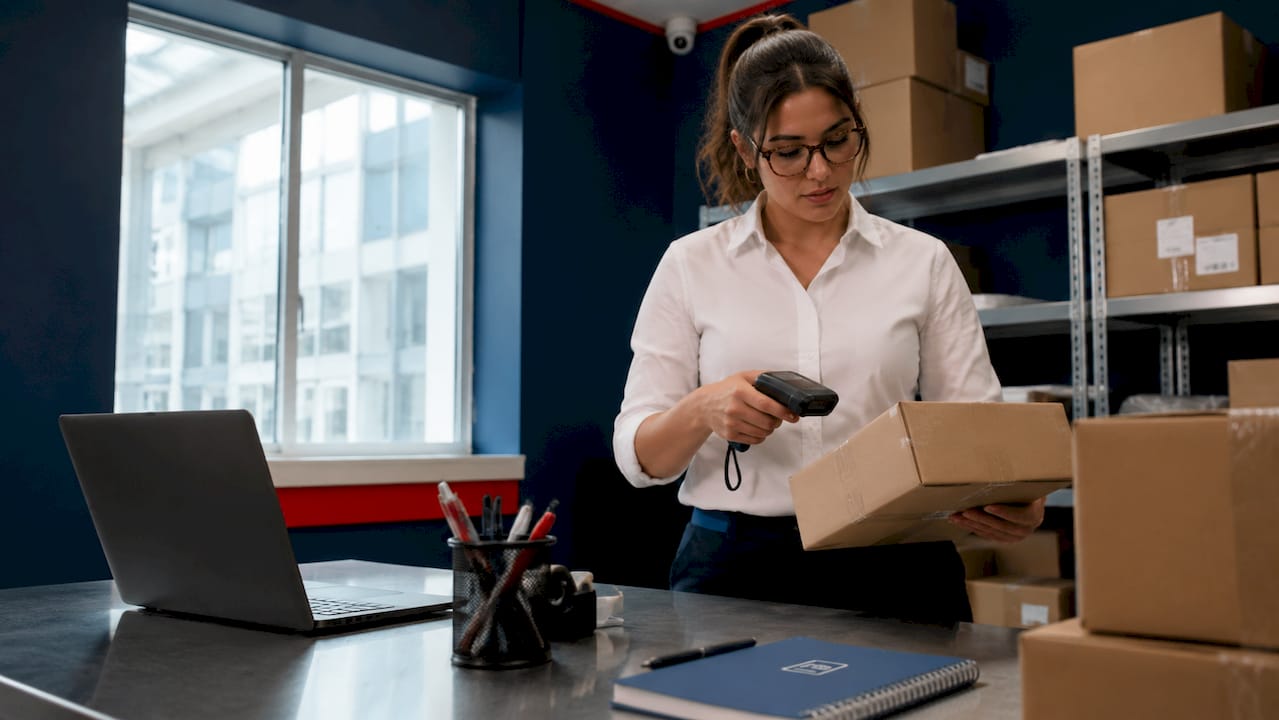
Safe package acceptance in multifamily housing is defined as a documented process that secures deliveries from arrival to resident pickup, with zero gaps in accountability. Property managers and residents who accept resident packages safely in apartments rely on three pillars: secure storage, a clear chain of custody, and timely resident notification. Without all three, packages sit unattended, disputes go unresolved, and resident trust erodes. The good news is that the right combination of policy, technology, and daily operations closes every gap.
What tools and prerequisites are needed to accept resident packages safely?
Secure package acceptance starts before the first delivery arrives. The infrastructure must be in place, the policies must be written, and every person who touches a package must know the procedure.
Secure storage options
The two primary storage formats in multifamily housing are dedicated package rooms and electronic parcel lockers. Package rooms work well for high-volume properties and oversized items. Electronic locker systems, such as Luxer One, add a layer of access control and 24/7 self-service retrieval that reduces dependency on office staff hours entirely. That independence matters most in student housing and senior communities where office hours and resident schedules rarely align.
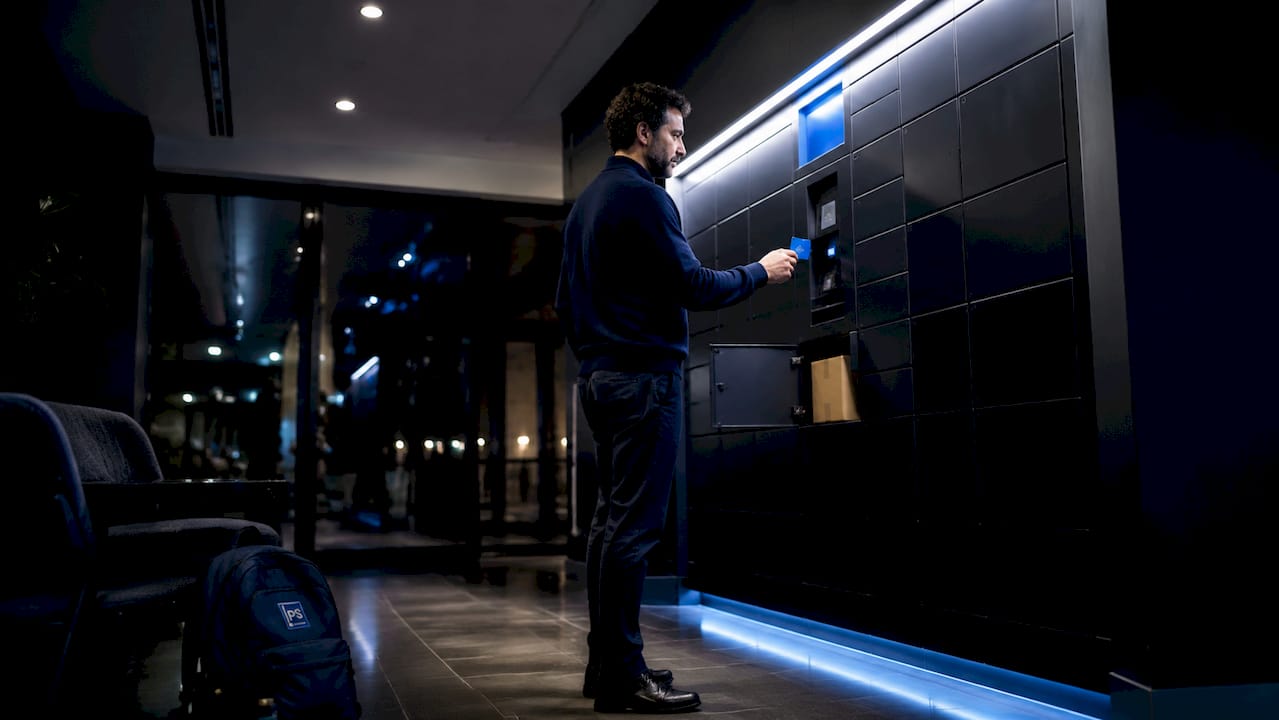
Pro Tip: Place lockers in a well-lit, high-visibility area near the building entrance. Poorly placed lockers reduce resident adoption and increase theft risk regardless of the hardware quality.
Notification systems and audit trails
Every secure package program needs an automated notification system. Instant alerts upon delivery increase timely pickups and lower loss rates. A documented audit trail, logging every delivery and every pickup with timestamps, creates the chain of custody needed to resolve disputes quickly. Without that log, staff spend hours investigating claims that a two-minute report could answer.
Key tools at a glance
| Tool | Primary function | Key benefit |
|---|---|---|
| Electronic parcel lockers (e.g., Luxer One) | Secure, self-service package storage | 24/7 access, reduces staff workload |
| Package room software | Logging, auditing, and notifications | Chain of custody and dispute resolution |
| Access control integration | Single credential for building and locker | Reduces friction, improves adoption |
| Video surveillance or intercoms | Visual deterrent and incident documentation | Supports theft investigation |
| Clear carrier signage | Directs carriers to correct drop-off point | Prevents bypassed procedures |
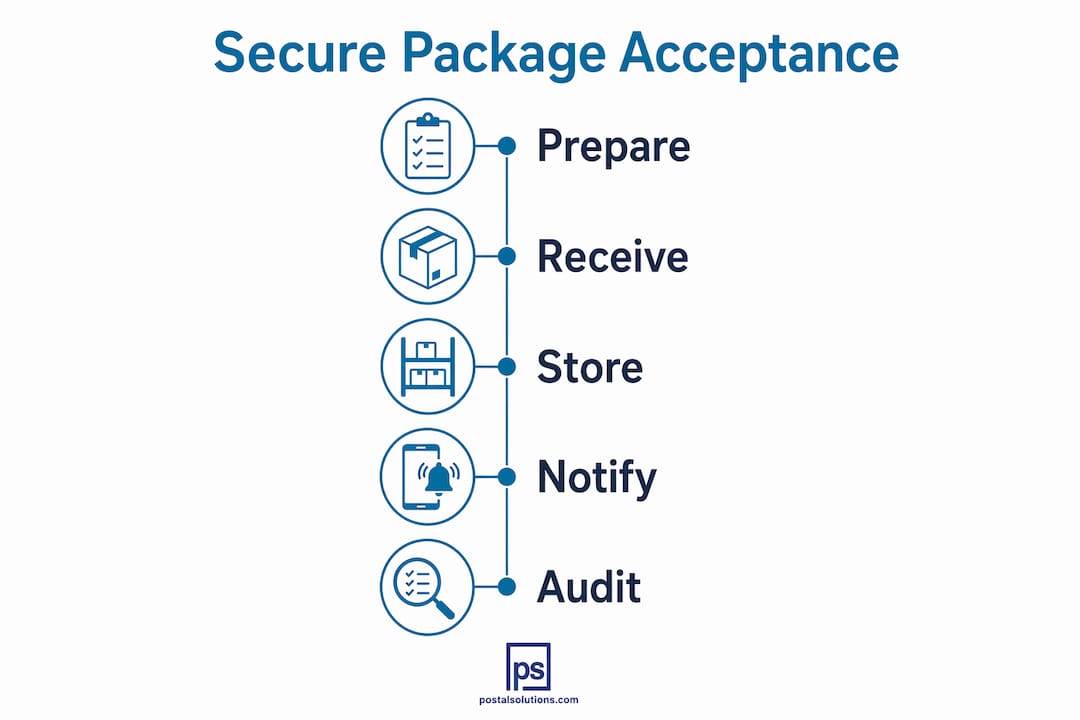
Access control integration deserves special attention. Using a single credential to enter the building and retrieve a package removes a friction point that causes residents to skip the secure system entirely. Adoption rises when the process is simple.
How should property staff handle packages step by step?
A repeatable procedure is the difference between a package room that works and one that creates liability. Every staff member who accepts a delivery should follow the same steps every time.
-
Log the delivery immediately. Record the carrier name, date, time, addressee name, and unit number. Use the property’s package room software or a physical log if software is not yet in place.
-
Label the package clearly. Write or highlight the unit number on the box before placing it in storage. This single step cuts resident search time and reduces the chance of a package going to the wrong unit.
-
Secure the package without delay. Move every delivery into the designated package room or locker system before handling the next task. Packages left unattended in common areas for more than 2 hours face a significantly higher theft risk than those retrieved within 30 minutes.
-
Send a resident notification. Trigger an automated alert via the package management software or send a manual email or text. Include the unit number and a pickup deadline if the property enforces one.
-
Verify identity at pickup. Confirm the resident’s name and unit number before releasing any package. For high-value items, require a signature or digital confirmation through the software.
-
Close the log entry. Mark the package as picked up with the date and time. This closes the chain of custody and removes the item from the active audit list.
-
Handle overflow proactively. During peak seasons such as november and december, notify residents of high volume and set shorter pickup windows to keep the room from reaching capacity.
Pro Tip: Send a second notification if a package has not been picked up within 48 hours. A single reminder reduces long-term storage issues without requiring staff to manually track every item.
How can residents and property managers work together to reduce theft?
Package security in apartments improves most when residents and property managers treat it as a shared responsibility. Neither side can fully protect deliveries alone.
A layered security approach combining video intercoms, secure containers, and specific delivery instructions is more effective than any single measure. That principle applies directly to the resident-manager relationship. Each party controls a different layer.
For residents:
- Set delivery instructions with every carrier to require placement in the designated locker or package room, not at the unit door.
- Pick up packages within 24 hours of the notification to keep storage capacity available for other residents.
- Report any suspicious activity near the package room or mail area to management immediately.
- Use carrier apps from USPS, UPS, and FedEx to track deliveries in real time and be present or redirect when possible.
For property managers:
- Post clear signage at every building entrance directing carriers to the correct drop-off location. Carriers revert to old habits when instructions are unclear, bypassing secure systems and increasing risk.
- Share the package room policy with every new resident at move-in and include it in the resident portal.
- Review the audit log weekly to identify unclaimed packages and reach out to residents before items pile up.
- Install video surveillance at package room entry points to deter theft and support any incident investigation.
Visibility into delivery and pickup activity is the single biggest factor in reducing resident complaints. When both sides can see what happened and when, disputes resolve in minutes rather than days.
What common challenges occur in apartment package acceptance?
Even well-run properties hit operational friction. Knowing the most common failure points makes them easier to fix before they become recurring complaints.
Locker capacity overflow
Peak shipping seasons push locker systems past capacity within days. The fix is a hybrid setup that combines lockers and a secure package room to handle overflow. Properties that rely on lockers alone during the holiday season regularly run out of space by mid-december.
Carriers bypassing secure systems
This is one of the most frustrating and preventable problems in resident package management. Carriers default to familiar behavior when signage is absent or confusing. Post laminated instructions at every building entrance, at the package room door, and at the locker terminal itself. Follow up with your property’s carrier relations contact if a specific driver repeatedly bypasses the system.
Delayed pickups and storage backlogs
Residents who do not pick up packages within a reasonable window create a backlog that affects everyone else. A clear policy, communicated at move-in and enforced consistently, solves this. Set a pickup window of 5–7 days and send automated reminders at day 2 and day 5.
Pro Tip: A documented chain of custody resolves lost package disputes quickly and reduces staff burden. If your current system does not generate a timestamped log for every transaction, upgrade before the next peak season.
Common challenges and resolutions
| Challenge | Root cause | Resolution |
|---|---|---|
| Locker overflow | Insufficient capacity during peak volume | Add a secure package room as overflow; use hybrid setup |
| Carrier bypasses | Unclear signage or instructions | Post laminated carrier instructions at all entry points |
| Delayed resident pickup | No enforcement policy or reminders | Set pickup windows; automate reminder notifications |
| Staff logging errors | No standard procedure | Implement package room software with required fields |
| Lost package disputes | No audit trail | Use software that logs every delivery and pickup with timestamps |
Staff logging errors deserve attention because they compound over time. A single missed entry creates a gap in the chain of custody that no amount of investigation can close after the fact. Combining hardware with strong operational policies is what separates properties that rarely lose packages from those that field complaints weekly.
Key takeaways
Safe package acceptance in apartments requires secure storage, a documented chain of custody, automated notifications, and consistent enforcement of pickup policies by both staff and residents.
| Point | Details |
|---|---|
| Secure storage is non-negotiable | Use a package room, electronic lockers, or a hybrid system to keep deliveries off common area floors. |
| Chain of custody prevents disputes | Log every delivery and pickup with timestamps to resolve lost package claims in minutes. |
| Notifications drive timely pickups | Automated alerts reduce package dwell time and keep storage capacity available for all residents. |
| Carrier instructions must be explicit | Post signage at every entry point so carriers use the secure system every time, not just sometimes. |
| Peak season requires advance planning | Plan for overflow capacity before november to avoid backlogs that frustrate residents and staff. |
What we have learned after nearly a decade managing apartment package rooms
The most common mistake properties make is treating package management as a one-time purchase rather than ongoing infrastructure. A property buys a locker system, installs it, and assumes the problem is solved. Six months later, the lockers are full, the audit log has gaps, and staff are back to fielding daily complaints. The hardware is only as good as the operation behind it.
What actually works is pairing the right technology with a daily management routine. When someone visits the package room every day, labels boxes clearly, completes weekly audits, and keeps the system current, residents find their packages without friction. That friction reduction is not a minor convenience. It directly affects lease renewal decisions and online reviews, both of which have real financial consequences for the property.
The other insight worth sharing is that residents are far more forgiving of high package volume than they are of confusion. A property handling 200 packages a day with a clear system and fast notifications gets fewer complaints than a property handling 50 packages a day with no process. Clarity and communication matter more than volume.
Properties that invest in daily package room management alongside their locker hardware consistently outperform those that rely on hardware alone. The combination is what builds lasting resident trust.
— Postal Solutions
How Postal Solutions supports safe package management in multifamily housing
Postal Solutions manages package room operations for conventional multifamily, student housing, and senior communities across the country. The service includes daily visits to organize the package room, label boxes with unit numbers, and complete weekly audits using the property’s existing software or a new system. For properties that need hardware, Postal Solutions sells and installs Luxer One locker systems and package rooms nationwide, with over 1,200 installations across more than 40% of U.S. states. Properties that want a full-service solution get both the hardware and the daily management in one program, which eliminates the gap between technology and operations that causes most package room failures.
FAQ
What is the safest way to store resident packages in an apartment building?
The safest storage method combines a secure package room with electronic parcel lockers, giving residents 24/7 access while keeping deliveries off common area floors. A hybrid setup also handles overflow during peak seasons without disrupting normal operations.
How does a chain of custody help with lost package disputes?
A documented chain of custody logs every delivery and pickup with a timestamp, creating a clear record that resolves disputes quickly. Properties with this system reduce staff investigation time and improve resident trust significantly.
Why do carriers bypass secure package systems?
Carriers revert to familiar drop-off habits when signage is absent or unclear. Posting explicit instructions at every building entrance and locker terminal directs carriers to the correct location every time.
How often should property staff audit the package room?
Weekly audits are the standard practice for identifying unclaimed packages and maintaining an accurate log. Properties using package room software can automate parts of this process, but a physical review remains necessary.
Can residents do anything to protect their own deliveries?
Residents can set carrier-specific delivery instructions to require placement in the secure locker or package room, track deliveries in real time through carrier apps, and pick up packages within 24 hours of notification to reduce theft risk and storage backlog.
Recommended
- Apartment Package Management Services | Multifamily Package Room Operations | Postal Solutions
- Package Lockers for Apartments | Multifamily Smart Lockers | Postal Solutions
- Urban Apartment Package Challenges: A 2026 Manager’s Guide | Postal Solutions
- Meet Package Demand for Metro Apartment Renters | Postal Solutions