How Mailroom Service Works in Apartments: 2026 Guide
Discover how mailroom service works in apartments. Learn about efficient package management to enhance resident satisfaction and reduce chaos.
Published
Mailroom service in apartment complexes is defined as the centralized management of resident mail and package deliveries through organized intake, sorting, tracking, notification, and pickup processes. The industry term for this function is parcel management, and it applies across conventional multifamily housing, student housing, and senior living communities. Property managers face a real operational problem: USPS and private carriers cannot deliver directly into individual resident mailboxes for most parcel-sized deliveries, so buildings need a structured system to handle the gap. Understanding how mailroom service works in apartments is the first step toward eliminating package chaos, reducing staff burden, and protecting resident satisfaction.
How does mailroom service work in apartments?
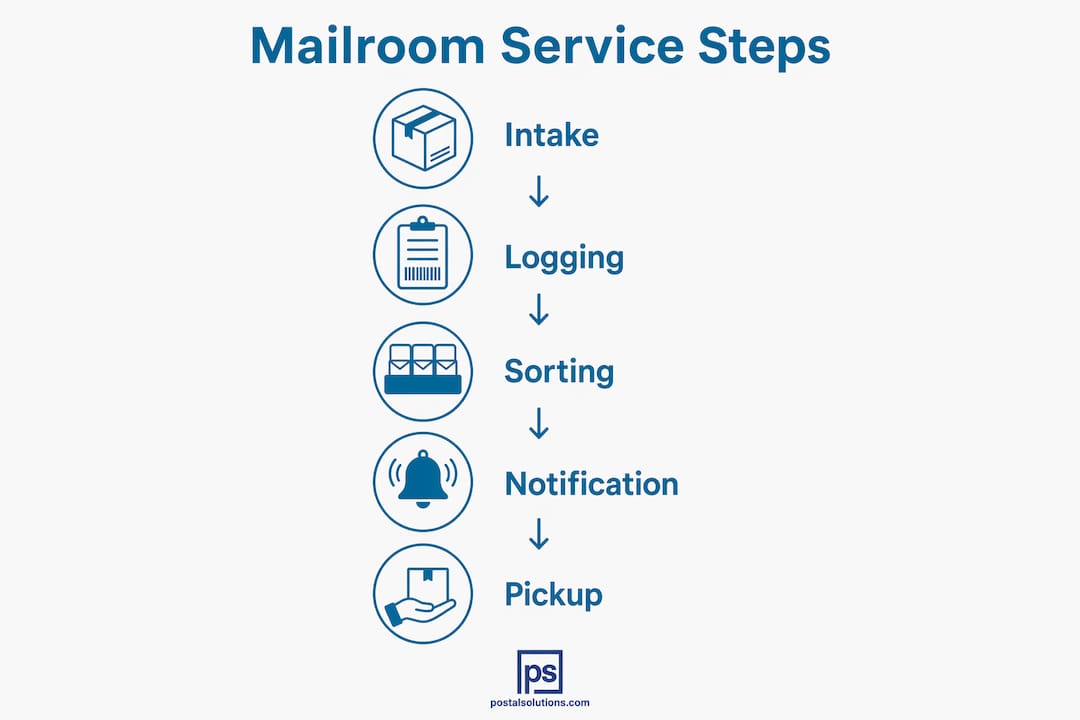
Apartment mailroom service operates through five sequential steps: package intake, logging, sorting, resident notification, and pickup. Each step depends on the one before it. A breakdown at intake creates errors that ripple through every stage that follows.
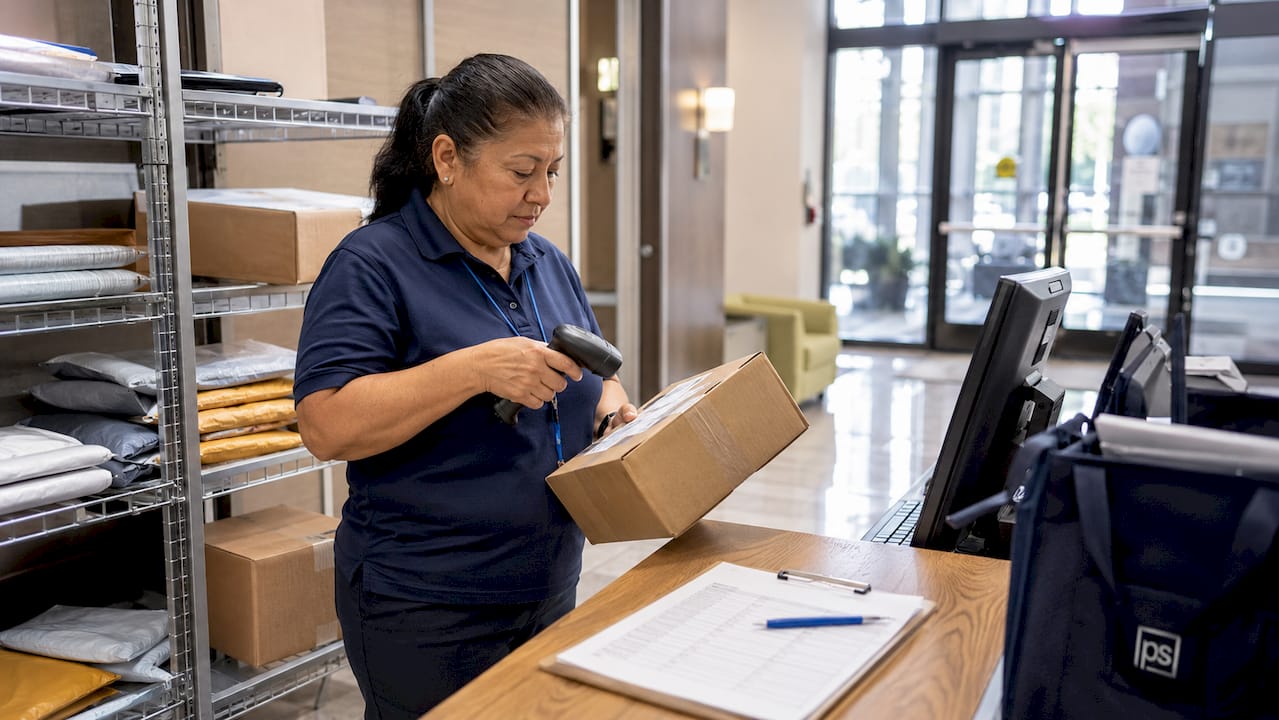
Package intake begins when a carrier arrives at the property. A designated intake station, typically located near the building entrance or a dedicated package room, serves as the receiving point. Staff or a managed service logs each package into a tracking system, capturing the carrier name, tracking number, recipient unit number, and arrival time. Courier-friendly intake processes that allow deliveries in seconds improve adoption and prevent clutter caused by skipped or misplaced deliveries. Speed at this stage sets the pace for everything downstream.
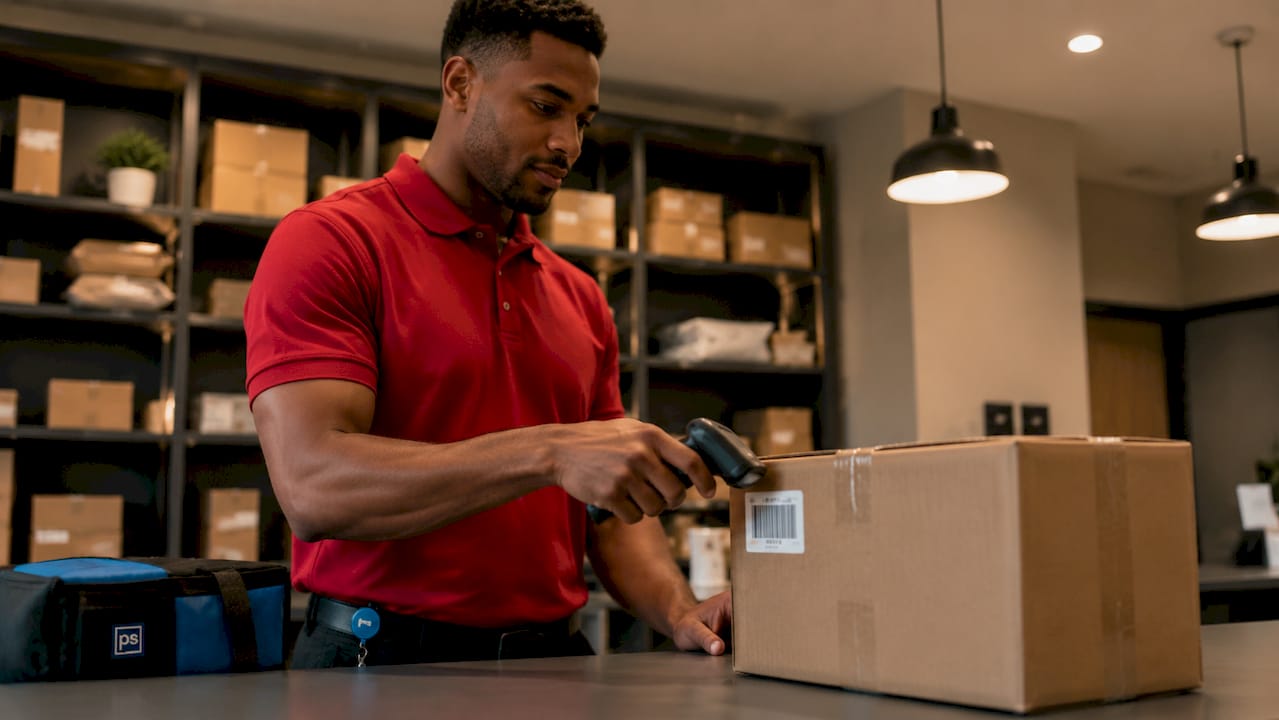
Sorting follows immediately after logging. Packages are separated by size and handling requirements. Standard parcels go to labeled shelves organized by unit number or zone. Oversized items go to a designated overflow area. Refrigerated or perishable deliveries require a separate cold storage zone. Packages organized by designated zones maintain order and security across the full package room. Clear labeling at this stage, including handwriting or highlighting the unit number directly on the box, is what prevents retrieval errors later.
Pro Tip: Assign a unit number zone to every shelf section and train every person who touches the package room to place items in zone order, not arrival order. This single habit cuts resident retrieval time significantly.
What are key features of modern mailroom management systems for apartments?
A modern package management system is the operational backbone of any well-run apartment mailroom. Without it, staff rely on manual spreadsheets, which lead to bottlenecks and complaints that directly affect lease renewals. The right system automates the repetitive work and gives property managers visibility into every package in the room.
The most critical features fall into two categories: essential and advanced.
Essential features every system should include:
- Automated resident notifications with pickup instructions sent by text or email the moment a package is logged
- Digital audit trails that record who received each package and when, preventing disputes
- Carrier-friendly intake that accepts deliveries in seconds without requiring staff to be present for every drop
- Integration with property management software to keep resident unit data current and accurate
Advanced features that improve resident experience further:
- QR code or PIN-based self-service pickup that removes the need for staff to retrieve packages on demand
- Package location images included in the resident notification, reducing confusion about where to find the item
- Automated follow-up reminders for packages that have not been picked up within a set number of days
- Reporting dashboards that show volume trends, dwell times, and audit results by week or month
Automated resident notifications with QR code pickup reduce front-desk interruptions and measurably improve resident experience. That reduction in interruptions translates directly into staff time recovered for higher-value leasing and maintenance tasks.
A reliable package notification system significantly reduces the volume of resident inquiries about package status. Fewer inquiries mean fewer distractions for leasing teams during peak hours.
How do high-volume apartment buildings manage mailroom challenges during peak delivery periods?
High-rise apartment buildings with 100 to 500 or more residents require centralized workflows to manage dense package volumes efficiently. The challenge intensifies during peak delivery months, which run from november through january, when e-commerce order volumes surge and package rooms fill faster than residents retrieve their items.
The operational pressure during peak periods creates four specific problems:
- Package room capacity is exceeded, forcing overflow into hallways or leasing offices
- Packages sit unclaimed longer because residents receive too many notifications and start ignoring them
- Staff spend more time helping residents locate items, pulling them away from other responsibilities
- Misplaced packages increase, generating complaints and occasionally lease non-renewals
Overflow rooms and zone-based layouts are the most practical response to volume surges. An overflow room gives the primary package room to breathe. Zone-based layouts, where shelving is divided by unit number ranges rather than arrival sequence, allow residents to go directly to their zone without staff assistance.
Vertical shelving is an underused tool in most apartment package rooms. Most properties use floor-level shelving that wastes the upper half of the room. Adding vertical shelving units doubles usable storage without expanding the footprint. Combined with clear zone labels at eye level, vertical shelving reduces the time a resident spends searching for a package.
Pro Tip: During november through january, shorten your unclaimed package reminder cycle from five days to two days. Faster reminders reduce dwell time and keep the room from filling past capacity.
Centralizing deliveries, clear pickup policies, and automated alerts reduce misplaced packages and resident complaints. These three elements work together. Centralization creates one point of accountability. Clear policies set resident expectations. Automated alerts reduce the time packages sit unclaimed.
What are best practices for apartment mailroom staff training and resident communication?
Effective training of mailroom staff on proper handling and system use produces consistent workflows and fewer errors. Training is not a one-time event. It requires a documented process that new team members follow from day one and that existing staff review when procedures change.
A practical training program covers five areas:
- Package intake procedures: How to log a package correctly, what information to capture, and what to do when a carrier arrives outside normal hours.
- Sorting and labeling standards: How to assign packages to the correct zone, how to mark the unit number on the box, and how to handle oversized or special-handling items.
- System use: How to operate the package management software, generate audit reports, and flag discrepancies.
- Sensitive deliveries: How to handle age-verified deliveries, high-value items, or packages that require a signature from the resident directly.
- Resident communication: How to respond to package inquiries, how to communicate policy changes, and how to escalate complaints.
Resident communication is as important as the physical workflow. Automating mailroom notifications with clear pickup instructions and package location images reduces resident confusion and follow-up questions. Automation handles the routine communication. Staff handle the exceptions.
Clear pickup policies communicated to residents at move-in set the right expectations from the start. Post the policy in the resident portal, include it in the welcome packet, and send a reminder at the start of peak season. Residents who understand the process generate fewer complaints and retrieve packages faster.
Key takeaways
Apartment mailroom service works best when intake, sorting, notification, and pickup are each managed through a defined process supported by the right technology.
| Point | Details |
|---|---|
| Intake accuracy drives everything | Logging the correct unit number at intake prevents sorting errors and retrieval complaints downstream. |
| Zone-based sorting reduces retrieval time | Organizing packages by unit number range lets residents find items without staff assistance. |
| Automated notifications cut staff workload | Instant alerts with pickup instructions reduce front-desk inquiries and free staff for other tasks. |
| Peak season requires a separate plan | Shortening reminder cycles and using overflow rooms prevents package room capacity failures from november through january. |
| Training must be documented and repeated | Consistent staff training on intake, sorting, and system use is what keeps workflows reliable over time. |
What Postal Solutions has learned from managing apartment mailrooms
The most common mistake property managers make is treating the package room as a storage room rather than an operational system. A storage room has no process. An operational system has intake standards, zone assignments, notification triggers, and audit schedules. The difference shows up immediately in resident satisfaction scores and staff overtime.
At Postal Solutions, we have managed package room operations across conventional multifamily, student housing, and senior living communities since 2016. The pattern we see most often is a property that invested in good software but skipped the daily management layer. The software sends notifications. Nobody organizes the room. Residents arrive and cannot find their packages. The software gets blamed, but the real gap is the absence of a daily process.
The future of apartment mailroom management is a combination of physical organization and monitored electronic access. Luxer One package room and locker systems, which Postal Solutions sells and installs nationwide, address the access side of the equation. But hardware without daily management still produces friction. The properties that perform best are the ones that combine a well-installed locker or package room system with a managed daily visit to organize, audit, and keep the room current. That combination removes resident friction and stops property staff from paying twice: once in payroll and once in lost productivity.
The property managers who get this right treat mailroom operations as a resident amenity, not a back-office function. That shift in perspective changes how they budget for it, staff it, and measure it.
— Postal Solutions
Postal Solutions and apartment mailroom management
Postal Solutions manages package room outsourcing for multifamily communities across the United States, including conventional apartments, student housing, and senior living properties. The service includes daily visits to organize the package room, unit number labeling on every box, and weekly audits using your existing package management software or a Luxer One system we sell and install. As the largest Luxer One sales agency in the country, with over 1,200 installations across more than 40% of U.S. states, Postal Solutions brings both the hardware and the daily management expertise that most properties are missing. If your team is spending time on package inquiries instead of leasing, learn more about outsourced mailroom management or visit Postal Solutions to see the full range of options.
FAQ
What is apartment mailroom service?
Apartment mailroom service is the centralized management of resident package deliveries through intake, sorting, tracking, notification, and pickup. It fills the gap created when carriers cannot deliver parcels directly to individual unit mailboxes.
How does package sorting work in an apartment package room?
Packages are sorted by unit number zone immediately after logging. Oversized and special-handling items go to designated areas separate from standard shelving.
What software features matter most for apartment mailroom management?
Automated resident notifications, digital audit trails, and carrier-friendly intake are the three features that most directly reduce staff workload and resident complaints.
How do apartment buildings handle peak delivery volume?
Overflow rooms, zone-based shelving layouts, and shortened unclaimed package reminder cycles are the primary tools for managing the volume surge that runs from november through january.
What is outsourced mailroom service for apartments?
Outsourced mailroom service is when a third-party firm manages daily package room organization, labeling, and auditing on behalf of the property, removing the burden from leasing and maintenance staff.