Save 6+ Staff Hours Daily with Smart Locker Maintenance for Apartments
Save 6+ Staff Hours Daily with Smart Locker Maintenance for Apartments The practical answer is outsourced daily package-room management paired with a monitored Luxer One locker or package-room system where hardware makes sense. This combina
Published
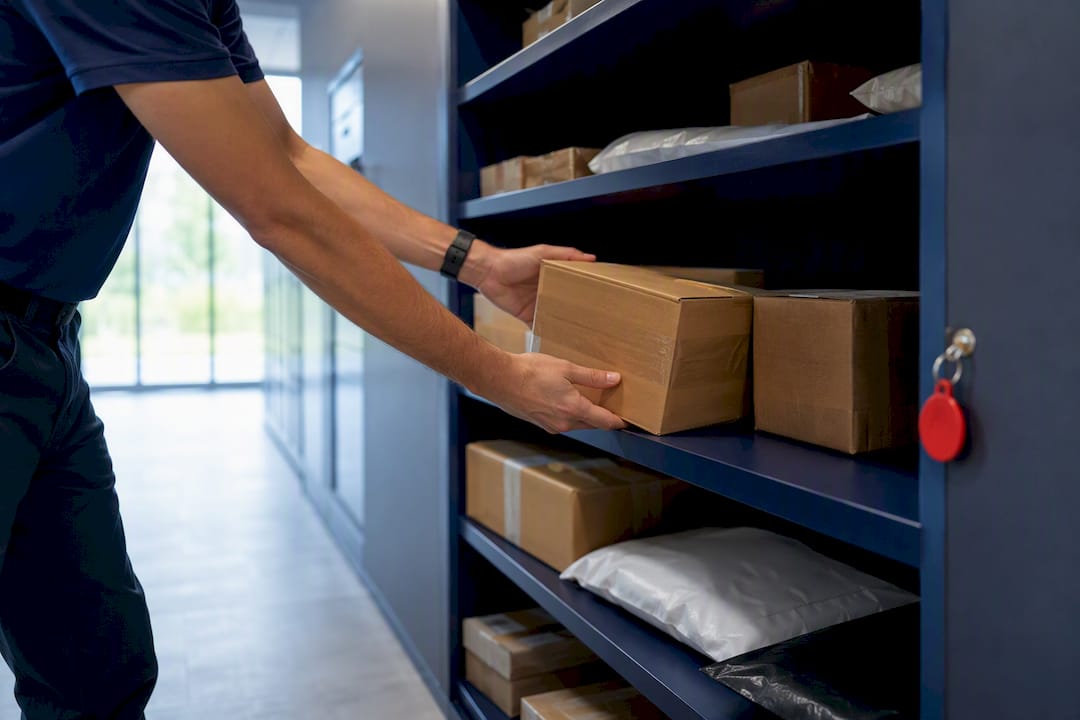
The practical answer is outsourced daily package-room management paired with a monitored Luxer One locker or package-room system where hardware makes sense. This combination recovers on-site staff hours that would otherwise go to sorting and resident interruptions, and it cuts the resident complaints that come from missing or misplaced parcels. Start with a site assessment to scope the right mix of managed visits and hardware for your property.
TL;DR:
- Managed package-room services should include daily intake, labeling, resident notifications, and weekly audits to prevent aging and misplaced packages.
- Overflow handling for oversized items and regular carrier training are essential to minimize disruptions and theft risks.
- Hardware decisions must be based on actual volume and operational workflows, with site assessments guiding full or partial locker installations.
- Outsourcing staff hours on package handling can save over six hours daily for a 75-packages-per-day property, freeing staff for revenue-generating tasks.
- Effective contracts specify visit schedules, software reporting, aging thresholds, and KPIs for damage or loss to ensure proper management and accountability.
Table of Contents
- What Does Smart Locker Maintenance Actually Mean for Apartments?
- What Daily and Weekly Procedures Should a Managed Service Follow?
- How Do You Buy and Install a Luxer One System?
- What’s the Real ROI on Outsourced Package Management?
- What Are the Trickiest Package Situations to Manage?
- An Operations-First Perspective From Postal Solutions
- Ready to Fix Your Package Room Operations?
- Sources
- FAQ
What Does Smart Locker Maintenance Actually Mean for Apartments?
In this context, smart locker maintenance apartment teams need has nothing to do with fixing hardware. It means the daily operational management of a package room or locker system: organizing inventory, matching packages to residents, and keeping records current. Think of it as package room management or apartment locker service rather than technical repair work.
A managed service typically covers:
- Scanning and photographing every incoming package as proof of receipt and condition
- Labeling or highlighting unit numbers on each box so residents can locate their own packages fast
- Placing items on shelves or into lockers by zone, size, or unit range
- Notifying residents automatically once a package is logged and ready for pickup
- Weekly audits that reconcile what the system shows against what physically sits on the shelf
That reconciliation step matters more than most property teams realize. A 250-unit community can receive roughly 1,500 packages a month, and high-volume properties see 400 or more arrivals weekly. Without a structured weekly audit, aging packages pile up, residents dispute what they did or didn’t receive, and staff spend hours chasing down phantom deliveries that were actually misplaced weeks earlier.
What Daily and Weekly Procedures Should a Managed Service Follow?
A property team evaluating a managed provider needs a concrete workflow to measure proposals against, not vague promises about “efficient handling.”
The daily cycle should run in this order:
- Intake: scan each package as it arrives from the carrier, capturing a photo and timestamp.
- Labeling: highlight or handwrite the unit number directly on the box for fast visual matching.
- Placement: sort into shelf zones or assign to a locker compartment sized for the item.
- Notification: trigger the resident alert through whatever package-tracking software the property already runs.
- Log closeout: confirm the day’s intake count matches what’s physically on-site before the visit ends.
Weekly audits add a second layer. The visiting team should reconcile every open record in the system, flag packages sitting past a defined threshold (commonly five to seven days), and escalate aging items to the leasing office before they become resident complaints.
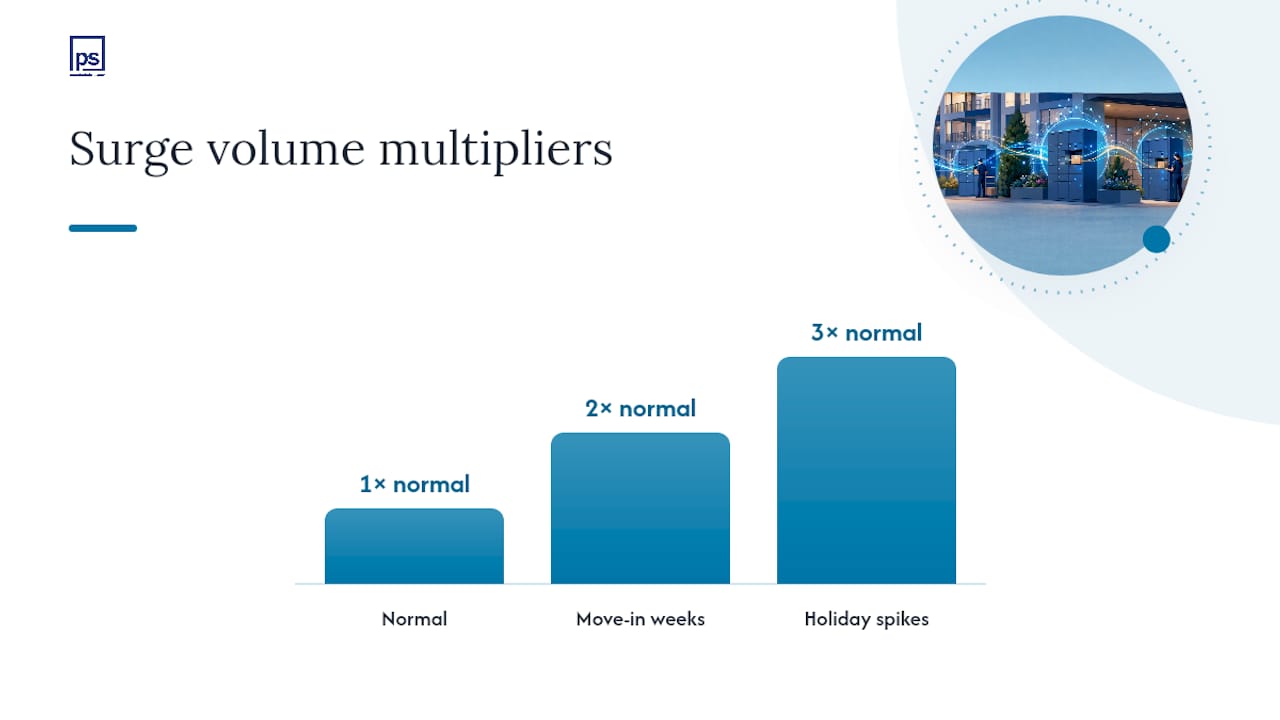
Surge periods need their own playbook. Move-in weeks and holiday shopping spikes can double or triple normal volume, and student housing properties face this dynamic on a compressed calendar every fall. A capable provider should offer temporary overflow shelving, staged refrigerated holding for perishable deliveries, and scheduled pickup windows to spread out resident traffic.
Pro Tip: Before signing anything, ask the provider for their aging-package threshold in writing. If they can’t give you a number, they don’t have a real audit process.
Any service agreement should also spell out visit cadence, software reporting cadence, and clear KPIs for damage or loss. Multifamily Executive’s reporting on outsourced operations recommends defined visit schedules and loss-reporting benchmarks as standard contract language, not optional extras.
How Do You Buy and Install a Luxer One System?
Hardware decisions should follow operational planning, not replace it. Start with a site assessment that measures daily package volume against available square footage to determine whether a full locker bank, a monitored package room, or a combination system fits best. Combination setups have become common because lockers handle standard parcels well but struggle with oversized items, which still need shelf or floor staging space.
Before installation day, the property should confirm:
- Electrical capacity at the proposed location, including a dedicated circuit if required
- Data connectivity, whether hardwired or cellular, for real-time notification syncing
- Clear floor space with adequate clearance for delivery carts and resident access
- Carrier access points so USPS, UPS, FedEx, and Amazon drivers can reach the unit without detouring through secured areas
Installation timelines run from a few weeks to a couple of months depending on electrical work and permitting, and most providers schedule the physical install during low-traffic hours to avoid disrupting resident pickup. Once hardware is live, onboarding should include resident email and text campaigns explaining the new process, a short carrier training walkthrough at the property, and a defined go-live date when managed visits begin. Skipping resident communication is the single most common reason locker rollouts stumble in the first month. Reviewing how locker programs affect resident experience before launch helps set realistic expectations for staff and residents alike.
What’s the Real ROI on Outsourced Package Management?
The math starts with staff hours. Manual handling often runs four to five touches per package, and at around 75 packages a day, that workload can consume more than six staff-hours daily.
The math that matters: Six-plus hours of daily staff time spent on package handling is nearly a full-time position dedicated to a task that generates zero leasing revenue. Redirecting even half of that time to leasing and retention work changes the calculation on almost any managed-service contract.
For a 300-unit community running near that package volume, a managed visit service typically costs less monthly than the fully loaded cost of the staff hours it replaces, once payroll taxes and benefits are factored in. Add locker convenience fees where residents opt into faster pickup windows, and the hardware side can generate modest recurring revenue on top of the labor savings. The indirect return matters just as much: fewer complaints, fewer disputed “missing” packages, and better resident retention scores that protect net operating income over a full lease cycle.
What Are the Trickiest Package Situations to Manage?
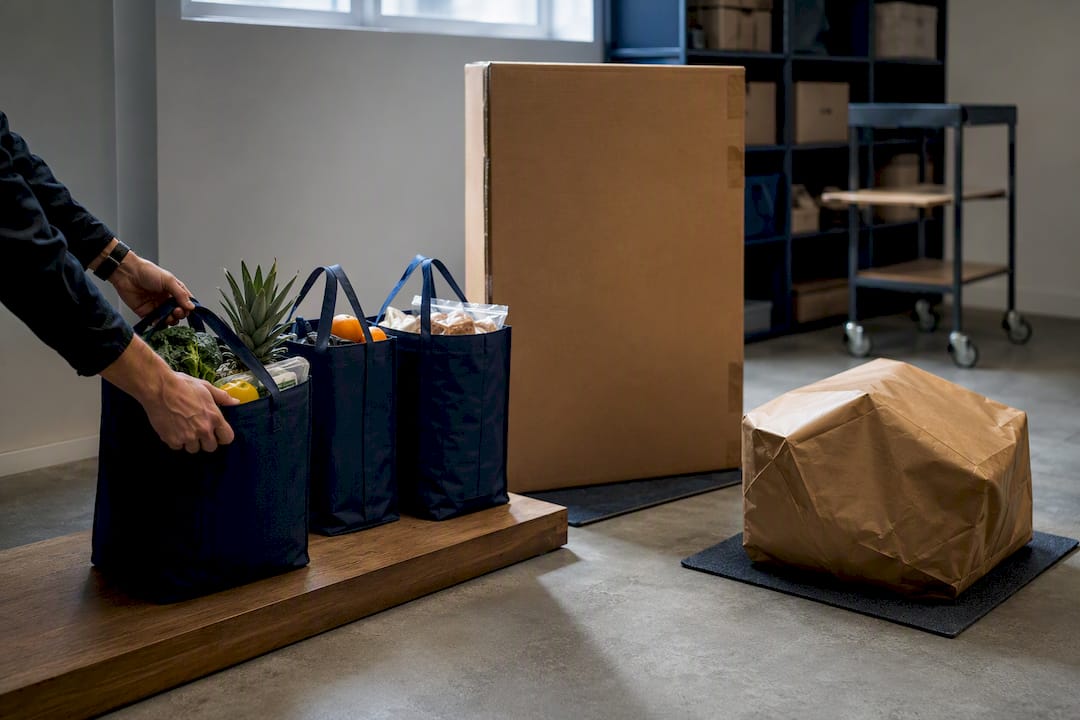
Oversized furniture deliveries, grocery totes, and irregular-shaped boxes don’t fit standard lockers. A managed provider should stage these separately and offer scheduled direct-to-door delivery windows instead of forcing them into a package room that wasn’t built for bulk.
Carrier behavior is the other recurring headache. Drivers under time pressure sometimes leave packages outside secured areas rather than following building protocol. Ongoing carrier training, paired with clear signage at delivery points, keeps that friction low.
A few other tactics that consistently work:
- Temporary shelving for move-in weeks when volume spikes well past normal capacity
- Off-site staging for student housing properties managing a compressed August turnover
- Resident email campaigns before major shopping seasons to set pickup expectations early
- Visible signage at building entrances directing carriers to the correct drop point
Reviewing a property’s theft-reduction best practices alongside carrier training closes most of the remaining gaps.
An Operations-First Perspective From Postal Solutions
Most properties assume more lockers solve package chaos. They don’t. A locker bank without a daily organizing process just becomes a bigger version of the same clutter, sitting behind glass instead of on a shelf. Process-driven daily management consistently reduces touches and complaints more than hardware expansion alone, because the bottleneck is almost always workflow, not capacity.
Experience spanning more than a decade in this business keeps pointing to the same conclusion: buy the hardware that fits your volume, but scope the managed visits and audit schedule as part of the same decision, not an afterthought.
The experience of a long-standing package management firm keeps pointing to the same conclusion: buy the hardware that fits your volume, but scope the managed visits and audit schedule as part of the same decision, not an afterthought.
Ready to Fix Your Package Room Operations?
Other providers sell you a locker and walk away, leaving your staff to manage the daily chaos of intake, labeling, and resident notifications on top of everything else on their plate. Postal Solutions does both sides: we sell and install Luxer One® locker and package room systems, then back them with six-day-per-week managed visits for daily organizing and weekly audits. That combination is what actually keeps a package room current instead of just automated.
If you’re weighing a locker purchase, our Luxer One Locker Solutions page walks through indoor lockers, smart package rooms, and refrigerated options. If your priority is getting daily hands-on package organizing without hiring in-house, our Daily On-site Package Management service is built for exactly that. Request a site assessment and we’ll scope the right combination for your property’s volume and layout.
Sources
- Package Management: Logistics Technology Prevents Apts From Getting Boxed In | National Apartment Association
- What Package Wrangling Is Really Costing Your Team - Multifamily & Affordable Housing Business
- The Benefits of Outsourcing | Multifamily Executive
- How to best handle package deliveries at apartment communities | Multi-Housing News
FAQ
Is Smart Locker Maintenance the Same as Hardware Repair?
No. In apartment operations, maintenance refers to the daily organizing, labeling, and auditing of packages, not technical repair of locker hardware, which is typically covered separately by the equipment manufacturer or installer.
How Often Should a Package Room Be Audited?
Weekly audits are the industry standard for reconciling system records against physical inventory and catching aging packages before they generate resident complaints.
Does Postal Solutions Sell Luxer One Systems?
Yes, Postal Solutions sells and installs Luxer One® locker and package room systems and can pair that hardware with ongoing managed visits; pricing details are available through a site assessment on the Luxer One Locker Solutions page.
How Much Staff Time Does Outsourcing Actually Save?
At roughly 75 packages a day, manual handling can consume more than six staff-hours daily, time that outsourced managed visits largely return to leasing and operations.
What Should Be in a Managed Package Service Contract?
Look for defined visit cadence, software-based reporting on packages processed, an aging-package threshold, and clear damage or loss KPIs written into the agreement.