4 Steps to Handle Hazardous Packages for Apartment Property Managers
4 Steps to Handle Hazardous Packages for Apartment Property Managers If a package looks, smells, or sounds wrong, do not touch it. Isolate the area, evacuate anyone showing symptoms or standing near fumes, and call 911 and your local fire d
Published
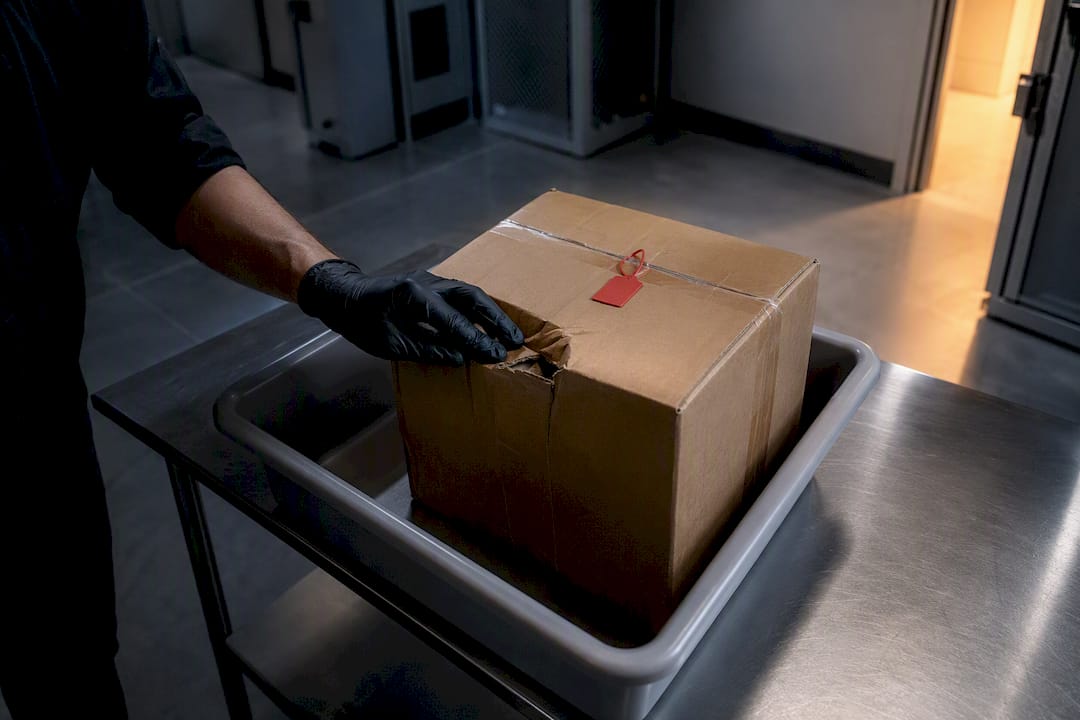
If a package looks, smells, or sounds wrong, do not touch it. Isolate the area, evacuate anyone showing symptoms or standing near fumes, and call 911 and your local fire department’s hazmat unit before doing anything else. Warn nearby residents and staff to stay clear, and let trained responders make the next call.
TL;DR:
- Most hazardous packages show physical signs like leaks, odors, or odd shapes, but undeclared hazards often lack visible labels or have suspicious reusing.
- Proper handling includes immediate area evacuation, calling hazmat responders, and avoiding cell phone use near the suspected package to prevent contamination spread.
- Undeclared hazardous materials are often hidden in reused packages with old labels, unusual sender information, or inconsistent delivery patterns for suspicious packages.
- Implementing strict acceptance policies, logging every package, and using managed package rooms or lockers significantly reduces the risk of unrecognized hazardous items.
- Regular staff training on red flags, prompt package quarantine, and collaboration with professional package management services help prevent hazardous incidents.
Table of Contents
- Hazardous Packages Apartments Need to Watch For
- What to Do the Moment You Suspect a Hazardous Package
- The Rules Behind the Risk: Packing Groups and USPS Restrictions
- Red Flags: Spotting a Package That Was Never Declared
- Prevention: Building Policies That Reduce Exposure
- Why Managed Package Rooms Change the Risk Equation
- Reducing Hazard Exposure With Professional Package Room Management
- Sources
- FAQ
Hazardous Packages Apartments Need to Watch For
A hazardous package is any parcel containing materials federal transport rules classify as dangerous to move by mail or common carrier: flammables, corrosives, toxic substances, reactive chemicals, and certain batteries. An “undeclared” hazardous shipment is worse. It carries one of these materials without the labeling, packaging, or paperwork the rules require, which means nobody in the delivery chain, including your staff, knows to handle it carefully.
That missing label is not a paperwork technicality. Proper marking tells carriers and firefighters what they are dealing with before they open anything. Strip that away and a leaking aerosol can, a cracked container of pool chemicals, or a lithium battery stuffed into a reused box becomes a mystery item sitting in your package room. Residents shipping items back and forth for repairs, resale, or hobbies sometimes reuse boxes that still carry old hazmat markings, which adds confusion rather than clarity. Chemical storage inside an apartment unit, paired with a package that was never meant to travel in the first place, is where most incidents start.
What to Do the Moment You Suspect a Hazardous Package
Stop handling the item immediately and set it down if it is already in your hands. Close doors to seal off the room, and if you smell fumes or see anyone coughing, tearing up, or feeling dizzy, evacuate that area right away. If people need to wait outside, keep them upwind of the building entrance.
Follow this sequence once the area is clear:
- Call 911 and ask for the fire department’s hazmat response, not just a general police line.
- Give the dispatcher the exact location, any visible labels or damage, odors, sounds, and how many people were near the package.
- Notify the shipping carrier separately so they can flag the tracking record and assist responders with manifest details.
- Keep everyone away from the isolated area until fire or hazmat personnel arrive and clear the scene.
Skip the radio and avoid using a cell phone directly next to a suspected device. If it’s safe to do so, shut off HVAC serving that space to stop fumes from spreading through shared ductwork. Anyone with visible residue on skin should wash it off with soap and water. Don’t brush powder or residue off clothing, since that can spread contamination instead of removing it.
Pro Tip: Post the hazmat non-emergency and fire dispatch numbers directly inside the package room, not just in an office binder. In a real incident, nobody wants to search a shared drive for a phone number.
The Rules Behind the Risk: Packing Groups and USPS Restrictions
The Department of Transportation sorts hazardous materials into three packing groups based on danger level: Packing Group I for the greatest hazard, II for medium, and III for minor. Each group requires a matching UN packaging performance rating, X, Y, or Z, with X-rated containers built to withstand the roughest handling and required for PG I materials. Z-rated packaging is only approved for PG III, and limited-quantity shipping exceptions generally apply only to PG II and III, never PG I.
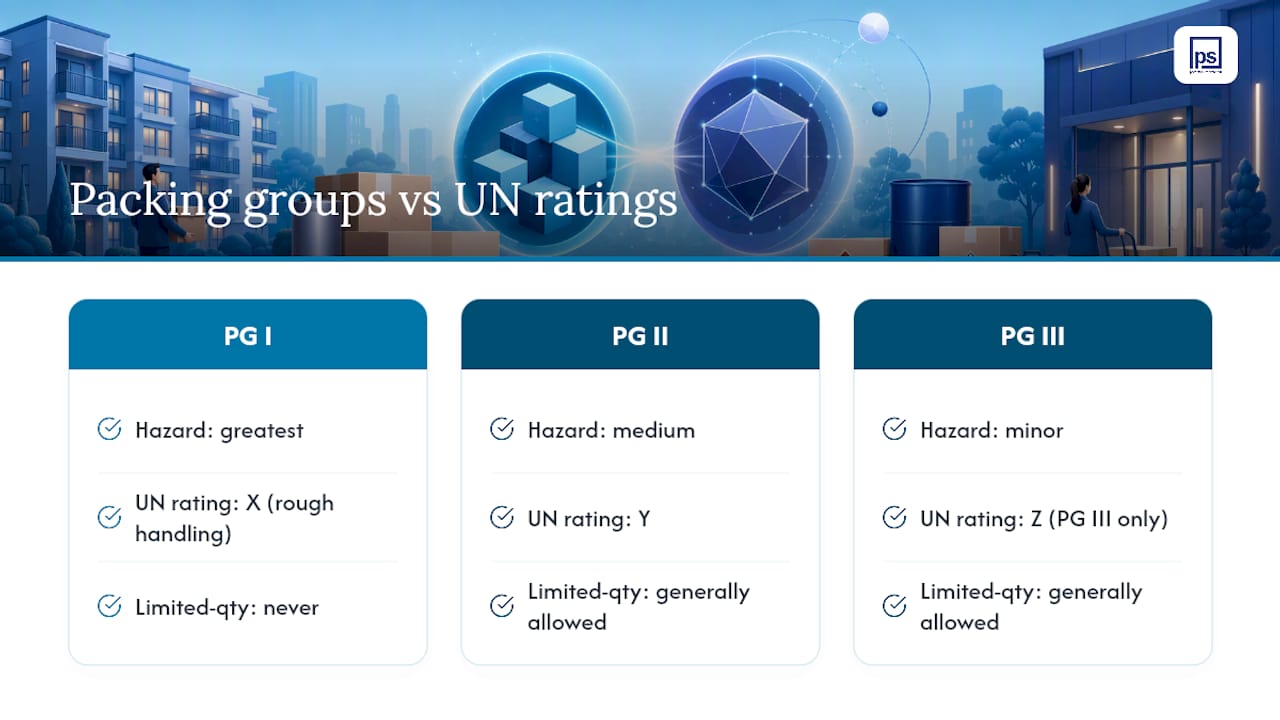
This system exists so carriers and first responders can size up a shipment before it becomes a problem. Correct marking and UN-spec packaging function like a warning label that travels with the box. Undeclared shipments skip all of it, which is exactly why they carry outsized risk for whoever opens them first.
USPS Publication 52 spells out which items are nonmailable altogether and which are mailable only under specific packaging and quantity limits, covering everything from lithium batteries to flammable liquids. The USPS shipping restrictions page confirms that hazardous materials often require extra marking, handling fees, or outright prohibition. Property teams accepting packages at a front desk or package room should assume that anything violating those rules simply should not have shipped that way in the first place.
Red Flags: Spotting a Package That Was Never Declared
Undeclared hazardous packages rarely announce themselves, but they usually leave clues if you know where to look. HAZMAT training experts recommend checking physical condition, labeling, and context together rather than relying on a single warning sign.
Physical signs worth stopping for:
- Leaking liquid, oily stains, or damp spots on the box exterior
- Bulging seams, excessive cushioning, or a shape that doesn’t match its declared contents
- Strange chemical odors, ticking sounds, or sloshing liquid
- Wires or components visibly protruding through packaging
Label and sender signs:
- Missing, illegible, or clearly fake return addresses
- Reused boxes with old hazmat diamonds or shipping labels still visible
- Vague business sender names like “parts” or “supplies” instead of a recognizable company
- Postage that looks mismatched for the box’s apparent weight or size
Context signs matter just as much. A package addressed to someone who doesn’t live at the property, a shipment from a chemical supplier or lab, or a delivery that doesn’t match a resident’s usual order pattern all deserve a second look. Training staff on these categories works better than trusting labels alone, since undeclared shipments are, by definition, the ones without a warning label to trust.
Prevention: Building Policies That Reduce Exposure
Property-level policy decisions do more to reduce hazardous package risk than any single response protocol. Start with acceptance limits: decide in writing whether your property accepts declared hazmat shipments at all, and if so, require advance scheduling and documentation rather than allowing them to arrive unannounced.
Operational habits that create a real paper trail:
- Log every package at intake with sender, condition notes, and a timestamp
- Photograph anything unusual before moving or storing it
- Quarantine suspect packages in a separate space rather than the general package room
- Train staff regularly on the red flags above and who to notify internally
- Review HVAC zoning so a leak in the package room doesn’t spread through shared systems
Standardized logging and acceptance policies cut both response time and legal exposure if something does go wrong. Properties that outsource daily package room organization or install monitored locker systems also gain something harder to build internally: a consistent chain of custody, since fewer hands touch each parcel and every scan is timestamped automatically.
Why Managed Package Rooms Change the Risk Equation
Daily managed visits and weekly audits do something a once-a-week volunteer check never can: they create a documented trail showing exactly when a package arrived, who logged it, and whether anything looked off. Unmanaged package rooms, where boxes pile up for days before anyone sorts them, are where undeclared hazardous items sit longest before anyone notices a leak or an odor.
Locker systems and monitored package rooms cut hands-on handling even further. If a parcel looks suspicious, isolating it in a locked compartment and pulling the log entry takes minutes, not a search through unsorted shelves. That speed matters when you’re on the phone with a fire department dispatcher who needs a location and a description.
If you’re evaluating a managed-service provider, ask direct questions: How often is the package room audited? Does the reporting integrate with software you already own? Is there a written procedure for isolating a suspicious item? And who coordinates with emergency services if something goes wrong on-site?
— Postal Solutions
Reducing Hazard Exposure With Professional Package Room Management
Postal Solutions manages daily package-room organization and weekly audits for apartment communities, student housing, and senior housing properties, working alongside whatever package software or hardware a community already owns. That’s a meaningful difference from leaving parcels to stack up unsupervised for days at a time, since consistent daily visits mean someone trained to spot red flags is actually looking at every box that comes through.
For properties that want to go further, Postal Solutions also sells and installs Luxer One locker and package room systems, including automated rooms and refrigerated lockers, which limit direct handling and give staff a clean digital log for every parcel. Postal Solutions manages these operations; it does not staff a mailroom directly.
If your property is weighing daily on-site package management against an in-house team stretched too thin, request an operations consultation to see how audit frequency and hardware compatibility would work for your community.
Sources
Keep these sources bookmarked when building or updating your property’s hazardous-package procedures. Publication 52 covers USPS mailability and marking rules in detail. The suspicious-package protocol from a university public-safety office offers a model SOP you can adapt for staff training. 49 CFR Part 173 lays out the federal packaging standards behind packing-group requirements.
- Shipping Restrictions & HAZMAT - What Can You Send in the Mail? | USPS
- Packing Group I, II & III (Hazmat)
- Spotting undeclared hazardous materials in mail and parcels (Hazmat University)
FAQ
Is Packing Group I or III More Dangerous?
Packing Group I is far more dangerous. It covers materials posing the greatest hazard and requires the strongest UN-spec packaging, while Packing Group III covers minor hazards and allows the lightest-duty packaging.
What Is Considered a Hazmat Package?
A hazmat package contains any material regulated for transport because it’s flammable, corrosive, toxic, reactive, or contains certain battery types. USPS Publication 52 lists which of these materials are nonmailable outright and which are allowed only with specific packaging and quantity limits.
What Are the Requirements for Packaging Dangerous Goods?
Dangerous goods must ship in packaging rated to match their packing group, using UN performance codes X, Y, or Z depending on severity. The USPS shipping restrictions page also requires correct labeling, quantity limits, and, in many cases, extra handling fees.
What Does “Packing Group 1” Mean for Dangerous Goods?
Packing Group I means a material poses the greatest danger during transport and requires the most robust containment available. Shipments in this group rarely qualify for limited-quantity exceptions, which are typically reserved for Packing Group II and III materials.
Can Postal Solutions Help Reduce Hazardous Package Risk at My Property?
Yes. Postal Solutions manages daily package-room organization and weekly audits, and sells and installs Luxer One locker systems, both of which reduce unsupervised handling and create a clearer record of every parcel that arrives. Current pricing details are available directly through Postal Solutions.