Refrigerated Package Lockers: A Property Manager's Buying Guide
Refrigerated Package Lockers: A Property Manager’s Buying Guide Refrigerated package lockers give properties secure, temperature-controlled pickup that runs around the clock without pulling staff into the cold chain. That last point matters
Published
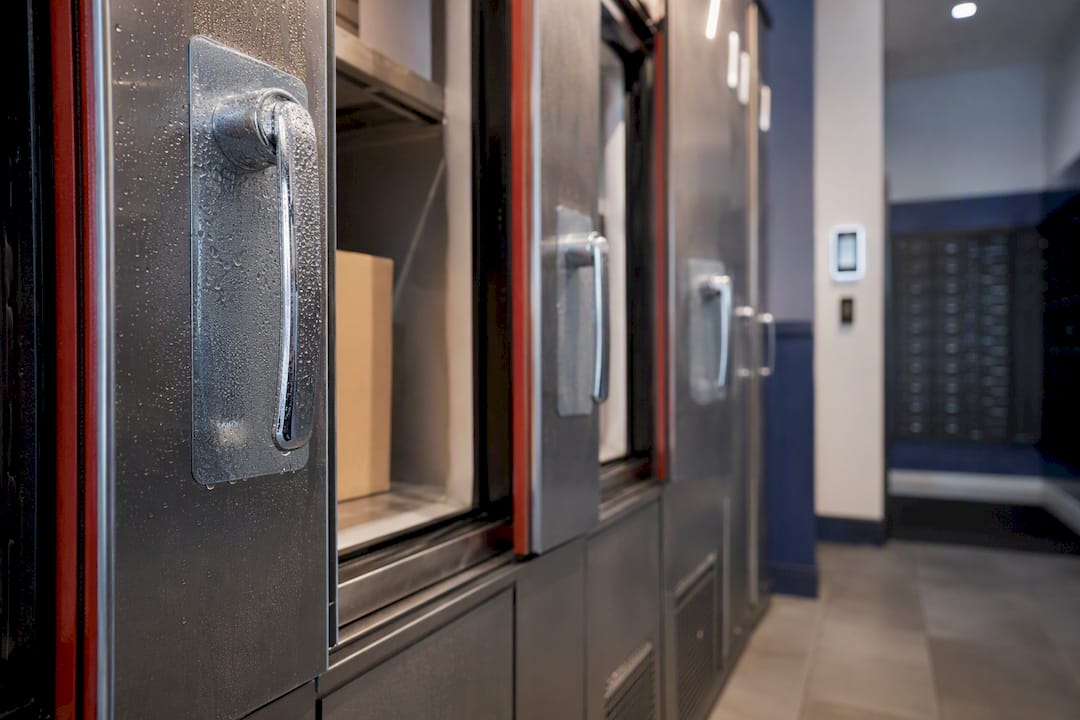
Refrigerated package lockers give properties secure, temperature-controlled pickup that runs around the clock without pulling staff into the cold chain. That last point matters more than most buyers expect: every time a leasing agent stores a grocery delivery in a break-room fridge, the property assumes liability for spoiled food and a chain of custody nobody can verify.
Three use cases show up constantly: grocery and meal-kit deliveries, prescription medications, and flowers or other perishables that arrive faster than residents can collect them. As a rule of thumb, properties handling refrigerated deliveries daily, or any community where staff currently store perishables themselves, have crossed the threshold where lockers pay for themselves in reduced risk alone.
Signals it’s time to look at refrigerated lockers:
- Staff are refrigerating resident packages in an office or break room refrigerator
- Residents complain about spoiled groceries or missed medication pickups
- Package volume from grocery or meal-kit services has grown noticeably in the past year
Key Takeaways
Refrigerated package lockers work because they remove staff from the cold chain, log every delivery automatically, and cut the liability that comes with manually storing perishable goods.
| Point | Details |
|---|---|
| Confirm volume threshold | 15+ daily refrigerated deliveries or existing staff handling of perishables signals it’s time to deploy. |
| Match temperature zones to need | Use 2–8°C compartments for fresh goods and near negative 18°C zones for frozen meal kits. |
| Plan for defrost downtime | Expect 10–15% of capacity offline during defrost cycles and build peak-season buffer accordingly. |
| Write policy before purchase | Set hold-time limits, abandoned-item procedures, and cleaning cadence ahead of installation. |
| Consider a managed partner | Postal Solutions sells and installs Luxer One refrigerated locker systems and offers managed package room support for daily organization and audits. |
Table of Contents
- What Are Refrigerated Package Lockers and How Do They Work?
- Key Features and Technical Specs to Evaluate
- How Do You Plan a Refrigerated Locker Deployment?
- What Operational Policies Do Refrigerated Lockers Require?
- Benefits, Energy Costs, and ROI of Refrigerated Lockers
- Postal Solutions’ Field Checklist for Getting Deployment Right
- How Postal Solutions Can Help You Deploy Refrigerated Lockers
- A Property Manager’s Perspective on Refrigerated Lockers
- Sources
- FAQ
What Are Refrigerated Package Lockers and How Do They Work?
A refrigerated locker system is built from six working parts: insulated compartments, a refrigeration unit, an access control panel, temperature and door sensors, a notification engine, and an activity log. Each piece does a specific job, and weak links, usually sensors or logging, are where properties run into trouble later.
Temperature range determines what a locker can hold. Refrigerated compartments running 2–8°C serve fresh produce, dairy, prepared meals, and many pharmaceuticals for short pickup windows of roughly 24 to 48 hours. Freezer compartments hold near negative 18°C for frozen meal kits, and multi-zone towers combine both so one bank of lockers serves both needs. Thermoelectric units cost less upfront and run quieter, but they struggle in warm outdoor climates and lose efficiency as ambient temperature rises. Compressor-based systems cost more but hold temperature reliably in any climate, which is why most multifamily deployments use them.
The delivery flow works the same way across most platforms:
- Carrier scans the package and places it in an available temperature-zone compartment
- The system locks the door and logs the timestamp, compartment, and temperature reading
- The resident receives a notification with a pickup code
- The resident unlocks the compartment, and the system logs pickup time and confirms the door reclosed and reached temperature
That log is what protects the property if a resident later claims a package sat unrefrigerated.
Key Features and Technical Specs to Evaluate
Not every refrigerated locker bank is built the same, and the specs below are where procurement decisions actually get made.
- Compartment mix. Match locker sizes to your actual package distribution. Most properties see a heavier share of small and medium compartments than large ones, so oversizing the mix wastes footprint and money.
- Monitoring depth. Look for sensor redundancy on both temperature and door status, plus logging windows long enough to support a resident dispute months after the fact.
- Energy performance. Variable-speed compressors cut energy consumption by roughly 30 to 40 percent compared with fixed-speed units, because they modulate output to match cooling load instead of cycling on and off at full power.
- Defrost strategy. Smart, demand-driven defrost reduces wasted energy versus a fixed schedule, but expect some capacity offline during any defrost cycle.
- Security and integration. Per-door access control, carrier-specific workflows, and integration with your existing building access system all reduce the odds of a resident opening the wrong door.
Pro Tip: Ask any vendor for their defrost schedule in writing before you sign. A tower that defrosts during evening peak pickup hours will frustrate residents far more than one that defrosts at 3 a.m.
How Do You Plan a Refrigerated Locker Deployment?
Siting decisions made in the first week of planning are the ones properties regret two years later. Place refrigerated lockers near the mailroom or primary entry, ideally in an unlocked but monitored vestibule so residents can reach them without staff assistance around the clock. Outdoor placement works but demands a weatherproof rating and adds cost; indoor placement is cheaper to install and easier to service but requires more careful traffic planning.
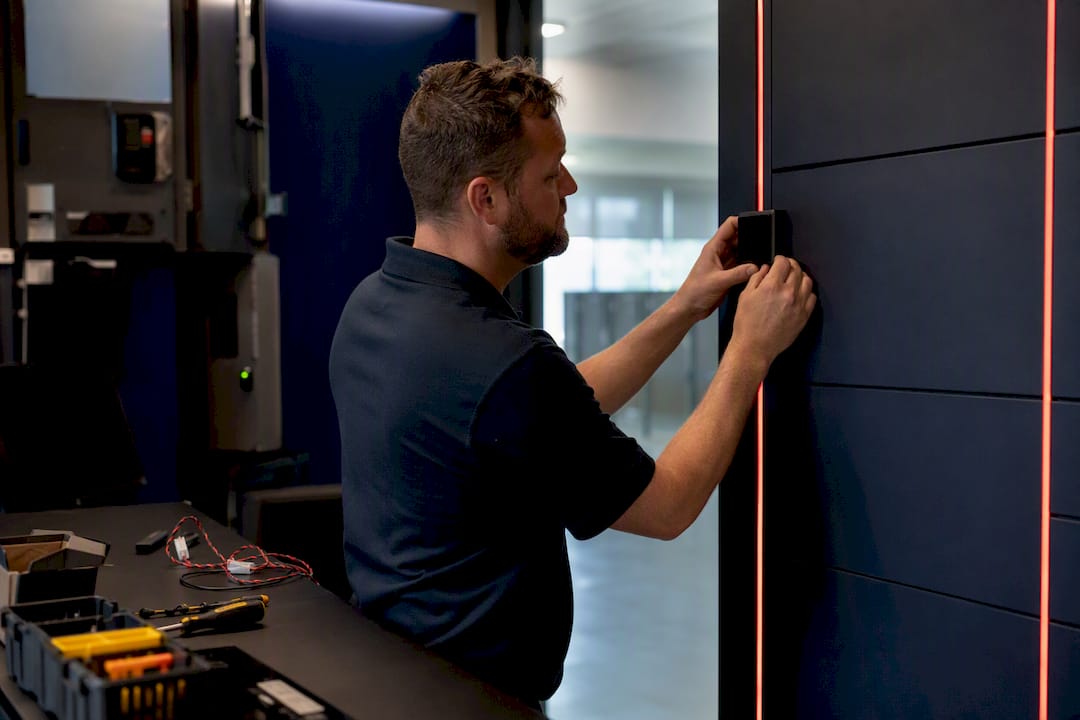
Capacity planning follows a few field-tested rules. Multifamily operators typically plan for 40 to 50 percent small-compartment usage and one locker tower per roughly 30 units as a starting benchmark, then adjust after watching real delivery patterns for a month.
Before you request quotes, walk through this checklist:
- Confirm a dedicated electrical circuit with adequate voltage and amperage for compressor load
- Verify network connectivity reaches the install location for notifications and remote monitoring
- Plan for condensation drainage and adequate ventilation around the unit
- Map every carrier that delivers refrigerated goods to your property and confirm their locker workflow
- Run a pilot on one tower before committing to a full rollout
Cost climbs with unit class (refrigerated versus freezer versus multi-zone), outdoor weatherproofing, retrofit complexity in older buildings, and any software integration or ongoing service contract layered on top. Budget for the install and the contract together, not just the hardware line item.
What Operational Policies Do Refrigerated Lockers Require?
Hardware is the easy part. The policies you write before launch determine whether the system runs smoothly or turns into a maintenance headache.
- Define what’s acceptable to place in the lockers, and set a maximum holding time consistent with FDA Food Code guidance on safe holding temperatures for perishable items.
- Write an abandoned-item procedure now, including who removes spoiled food and how residents get notified before it happens.
- Set a cleaning cadence: routine wipe-downs on a fixed schedule, plus an incident-response plan for spills or spoilage.
- Assign temperature-excursion monitoring to a specific person or vendor, with a clear escalation path and repair service-level agreement.
- Schedule routine maintenance for condenser coils, door gaskets, and sensor calibration, and confirm software patches roll out automatically.
Pro Tip: Write your abandoned-item policy before you sign a purchase order, not after your first spoiled grocery complaint. Unclear responsibility for cleanup is the single fastest way a new locker bank turns into a resident-satisfaction problem.
Remember that defrost cycles pull 10 to 15 percent of compartments offline temporarily, so build that buffer into peak-season capacity planning rather than discovering it during a holiday delivery surge.
Benefits, Energy Costs, and ROI of Refrigerated Lockers
The financial case rests on three levers: liability reduction, staff time saved, and resident retention.
- Liability reduction. Refrigerated lockers remove staff from the chain of custody for perishable goods, which is the single biggest driver of adoption in multifamily housing.
- Staff time. Every grocery or meal-kit delivery a locker handles is one less interruption pulling a leasing agent away from move-ins, renewals, and tours.
- Resident satisfaction. Communities with reliable refrigerated pickup see fewer complaints tied to spoiled deliveries and missed medication windows.
Energy use varies by climate and door-opening frequency. Outdoor installations and high-traffic compartments consume more power than indoor, low-traffic setups, and variable-speed compressors narrow that gap significantly. Price bands rise from basic refrigerated units to freezer and multi-zone configurations, so payback depends heavily on your actual refrigerated delivery volume and the staff hours you’re currently spending on manual handling. Properties with lower volume sometimes find a shared or managed solution more cost-effective than dedicated on-site equipment until delivery counts justify the investment.
Postal Solutions’ Field Checklist for Getting Deployment Right
Every successful install we’ve supported starts with the same groundwork: a delivery-volume snapshot, an electrical and network survey, a carrier workflow map, and a draft resident policy, all completed before hardware arrives.
On day one, label compartments clearly, send pickup notifications that residents actually understand, and have an overflow plan ready for peak delivery days.
The mistakes we see most often:
- Undersizing compartment mix against real package volume
- Installing lockers where network coverage is weak or nonexistent
- Launching without a written hold-time or abandoned-item policy
- Skipping a sanitization plan until the first complaint arrives
Properties with heavy volume across both refrigerated and dry packages often pair lockers with managed package room support to keep both organized daily.
How Postal Solutions Can Help You Deploy Refrigerated Lockers
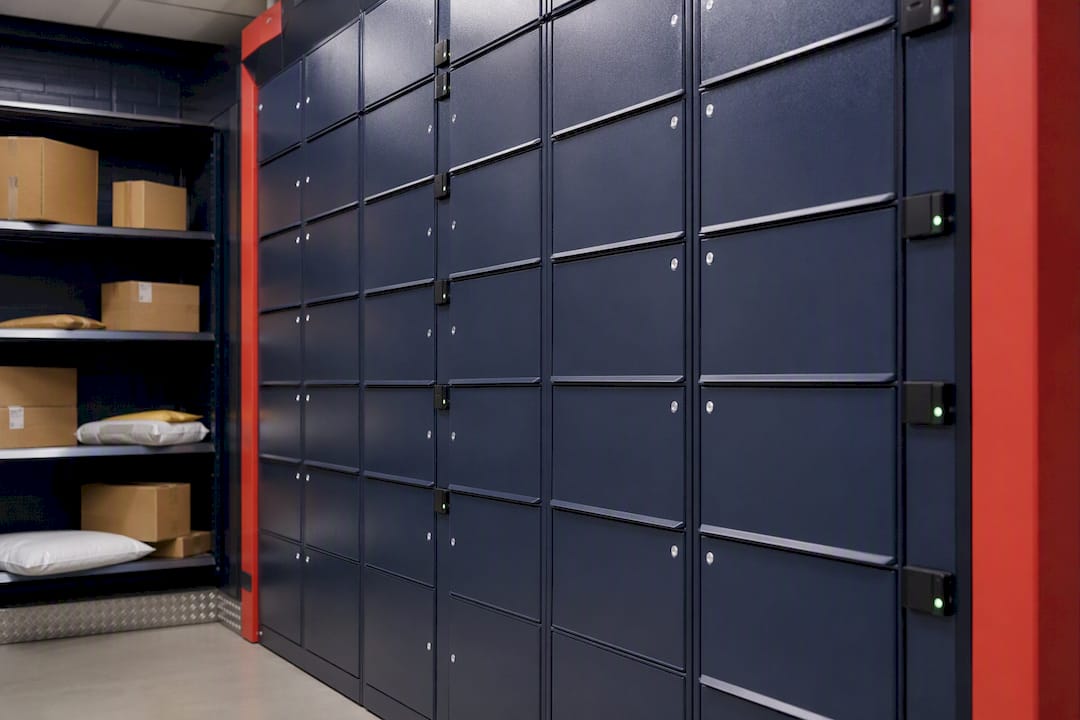
Postal Solutions manages package room operations and sells and installs Luxer One refrigerated locker and package room systems, then keeps them organized with daily audits so nothing sits unrefrigerated longer than policy allows. We have mapped the deployment mistakes above onto real properties, not theory. If your community is weighing refrigerated lockers against continued manual handling, request a site survey and quote and get a capacity plan built around your actual delivery volume instead of a generic estimate.
A Property Manager’s Perspective on Refrigerated Lockers
The properties that get the most out of refrigerated lockers treat policy writing as seriously as hardware selection. Skip that step and even the best compressor system becomes a liability instead of a solution.
If your team is ready for a site survey or wants to compare deployment options, we’re glad to walk through it with you.
— Postal Solutions
Sources
For technical and regulatory follow-up, three sources cover the essentials: the FDA Food Code for safe holding-temperature guidance, the Department of Energy’s commercial refrigeration guidance for energy planning, and supplier best-practice resources like Luxer One’s locker setup guide for implementation benchmarks.
FAQ
How Do I Mail Something That Needs to Stay Refrigerated?
Refrigerated package lockers aren’t designed to receive shipped perishables through USPS or standard carriers. They’re built for last-mile grocery, meal-kit, and pharmacy deliveries dropped off directly by a local courier or delivery service.
How Much Does a Package Locker Cost?
Cost depends on unit class, with refrigerated, freezer, and multi-zone configurations priced higher than standard ambient lockers, plus outdoor weatherproofing and any software integration or service contract added on top.
How Long Will a Package Stay in a Locker?
Refrigerated compartments typically hold items safely for 24 to 48 hours under FDA-aligned holding guidance, though your property’s own policy should set the exact maximum based on item type.
What Are Those Package Lockers Called?
They’re most often called refrigerated package lockers, refrigerated locker systems, or cold storage lockers, and Postal Solutions works primarily with Luxer One’s line of these systems.