On-Site Package Handling: A Guide for Property Managers
Master on-site package handling to streamline operations, reduce complaints, and enhance resident satisfaction at your property. Learn how today!
Published
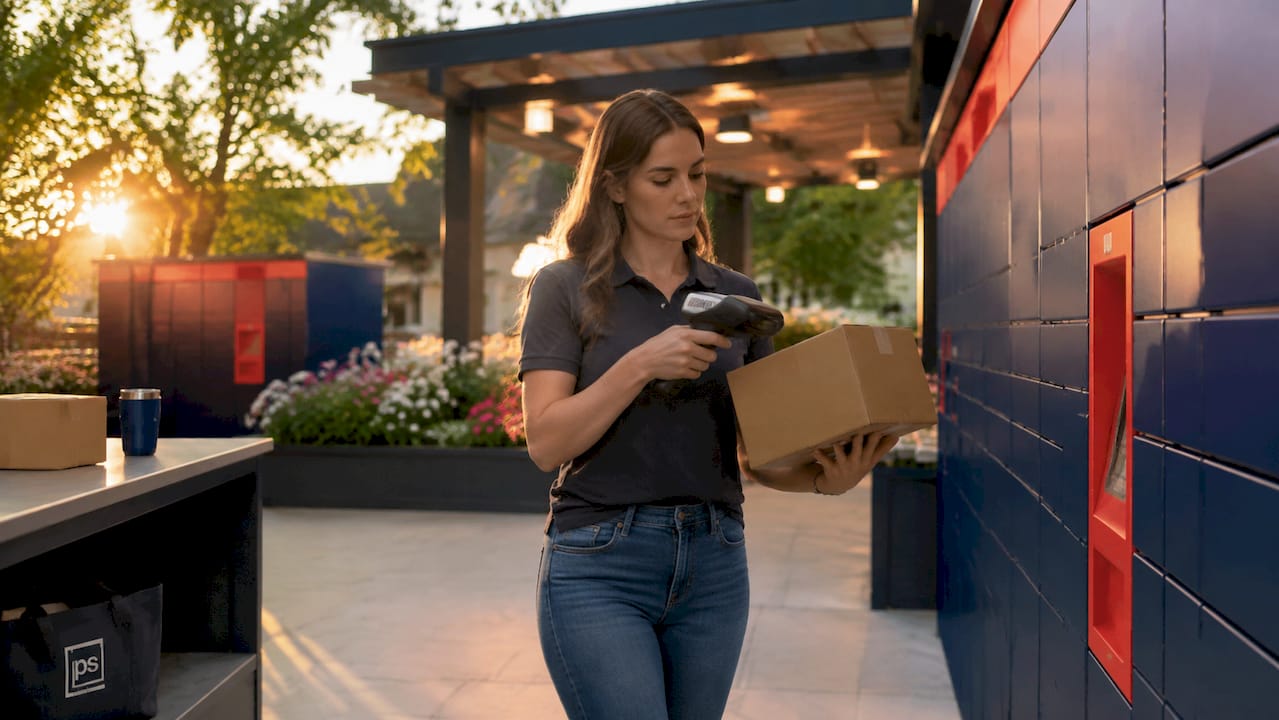
On-site package handling is the coordinated set of processes and tools multifamily property teams use to securely receive, organize, and make packages available for resident pickup on the property. It is a core operational function, not an afterthought. Staff spend 1–4 hours weekly managing packages at 68% of properties, and 50% of property managers report significant resident complaints tied directly to package management failures. The industry term for this discipline is parcel management, and the two terms are used interchangeably throughout this guide. Getting it right reduces staff burden, cuts resident friction, and protects your property’s reputation.
What does on-site package handling actually require?
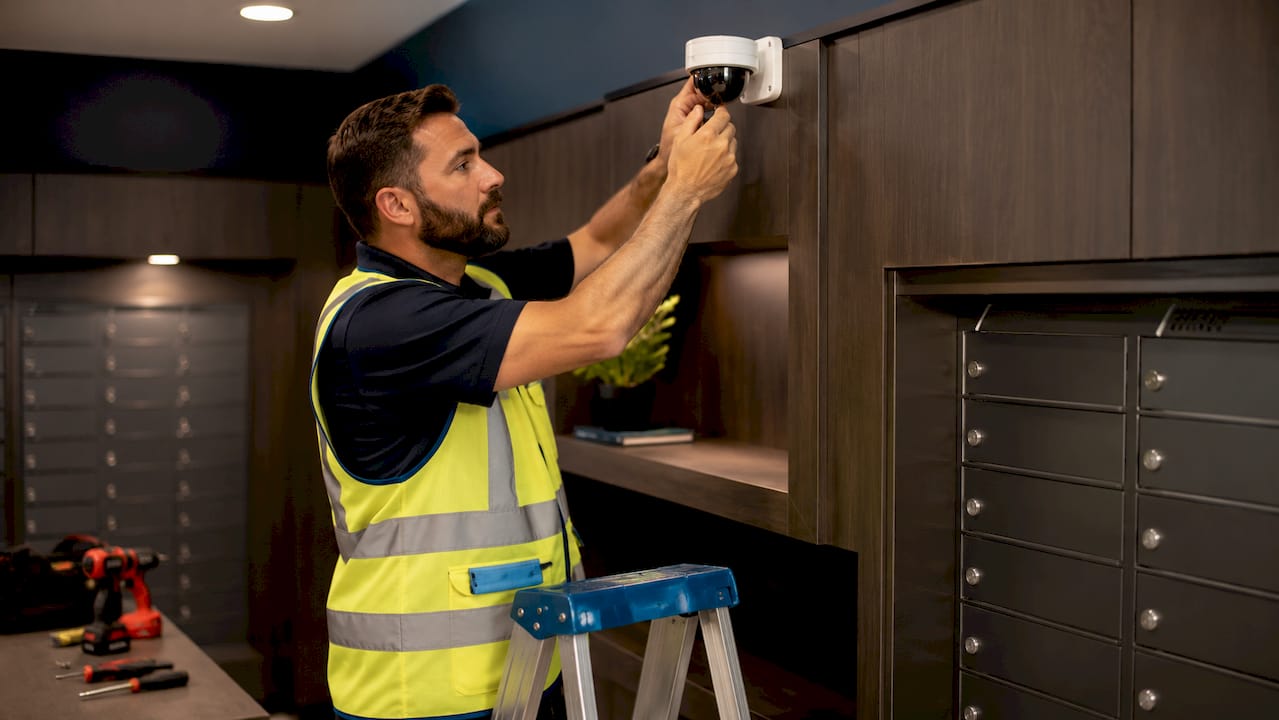
Effective parcel management starts with the right physical infrastructure. 85% of properties offer dedicated secure package rooms, and 58% of those rooms include surveillance cameras. A secure room with controlled access and camera coverage is the baseline, not a premium feature.
Beyond the room itself, you need the right tools in place before the first package arrives.
Physical infrastructure:
- A dedicated package room with keyed or electronic access control
- Vertical shelving units organized by unit number or zone
- An oversized package area for freight and bulk deliveries
- A clear intake station with a flat surface for logging and labeling
Technology layer:
- A package check-in system that logs each parcel by unit number and carrier
- Automated resident notifications via email or text. 45% of properties now use automated alert systems, replacing paper door notices entirely.
- Surveillance cameras covering the full room perimeter
- Optional: a touchscreen interface or smart locker system for self-service pickup
Process and compliance requirements:
- Written carrier access protocols shared with UPS, FedEx, USPS, and Amazon drivers
- Staff training on intake procedures, package logging, and resident communication
- A weekly audit process to flag unclaimed packages and update records
Pro Tip: Post pictorial SOPs at the package room entrance for carriers. Visual instructions reduce misdeliveries and unauthorized drop placements without requiring staff to be present at every delivery.
The package room setup checklist from Postal Solutions covers each of these components in detail and is a practical starting point for any property building or rebuilding its intake system.
How to execute package intake, organization, and resident pickup
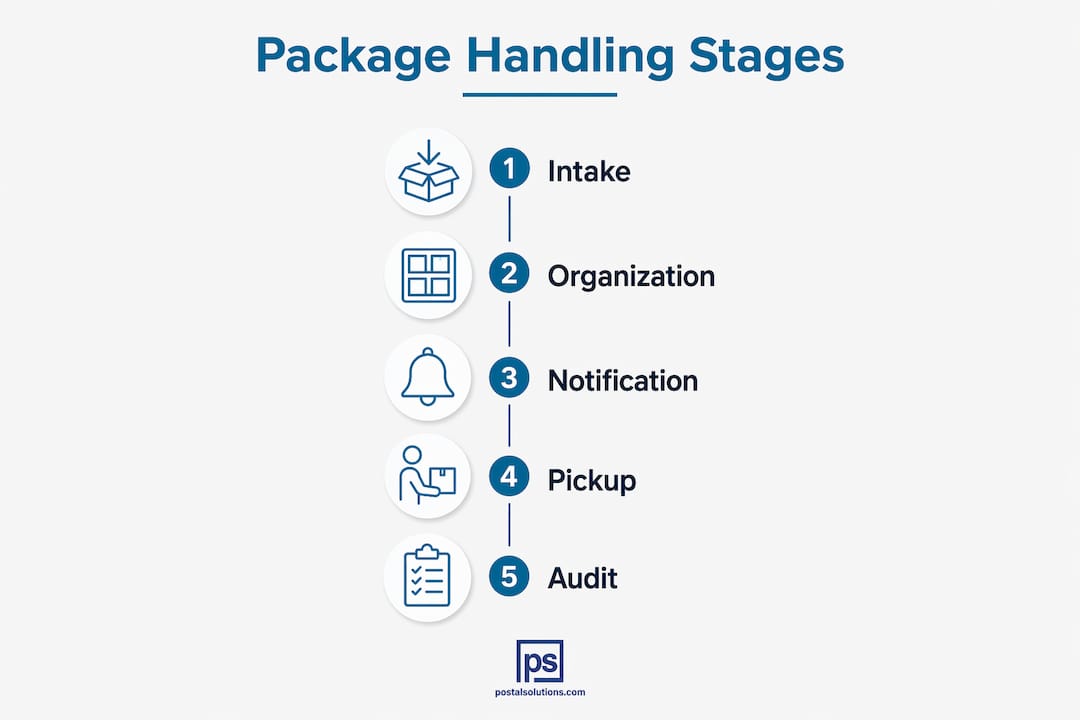
A reliable daily workflow is what separates a functional package room from a chaotic one. The process has four distinct stages: intake, organization, notification, and pickup.
Stage 1: Intake and logging
When a carrier arrives, staff or a managed package room visitor logs each parcel into the property’s package management software. The unit number gets written directly on the box or highlighted on the address label. This single step prevents the most common source of resident complaints: packages that cannot be found because they were never properly attributed to a unit.
Stage 2: Organization by zone
Organizing package rooms into zones by size and type reduces dwell time and speeds up resident pickup. A standard setup includes a standard parcel zone sorted by unit number, an oversized zone for large freight, and where applicable, a refrigerated zone for perishables. Only 4% of properties offer refrigerated lockers, but 43% report daily use when they are present, which signals strong unmet demand.
Stage 3: Resident notification
Once a package is logged and placed, the system sends an automated alert to the resident. Notifications should include the carrier name, package count, and pickup location. Properties that rely on door notices or phone calls instead of automated alerts create unnecessary staff work and slower pickup rates.
Stage 4: Resident pickup and audit
Residents retrieve packages using a unit-specific access code, a mobile app, or staff assistance. A weekly audit clears unclaimed packages, flags items held beyond the property’s stated pickup window, and keeps the room from filling up. The audit is the most skipped step in most operations, and it is also the one that prevents overflow.
Pro Tip: Set a firm 14-day unclaimed package policy and communicate it in the lease. Residents who know the rule pick up faster, which keeps your room current without confrontation.
The table below summarizes the daily workflow at a glance.
| Stage | Action | Tool used |
|---|---|---|
| Intake | Log parcel, mark unit number | Package management software |
| Organization | Sort by zone and unit number | Shelving, labels |
| Notification | Send automated alert to resident | Email or text alert system |
| Pickup | Resident retrieves using access code | Access control or locker system |
| Audit | Clear unclaimed packages weekly | Software audit report |
For properties managing high package delivery volumes, Postal Solutions outlines specific overflow strategies worth reviewing before peak season.
What are the most effective strategies to reduce package handling problems?
The two biggest operational failures in parcel management are carrier non-compliance and peak volume overflow. 70% of property managers identify carrier non-compliance as their leading frustration. Carriers leaving packages in lobbies, stairwells, or outside the package room door create security gaps and resident complaints that no software can fix after the fact.
Carrier compliance strategies that work:
- Issue carrier-specific access codes and rotate them quarterly
- Post pictorial SOPs at every entry point to the package room
- Document and report repeat violations to carrier district managers
- Require all carriers to scan packages into the property system before leaving
Space management during peak periods:
The average multifamily community receives about 150 packages weekly, with volume rising 81% during holiday peak periods. More than one-third of property managers say their existing storage is insufficient for those surges. The most effective response combines a managed package room with a locker system. Lockers handle overflow when the room reaches capacity, and the room handles oversized items that lockers cannot accommodate.
Combining lockers with a managed package room is the most resilient model for high-volume apartment communities. Lockers alone hit capacity limits during peak periods, and a room alone creates staff bottlenecks. The hybrid approach handles both failure modes simultaneously.
Resident communication practices that reduce complaints:
- Send pickup reminders after 48 hours if a package remains unclaimed
- Publish the property’s package policy in the resident portal and lease addendum
- Use the package management software’s reporting feature to show residents their pickup history
Pro Tip: Residents increasingly treat their homes as logistics hubs. 69% rate outgoing package capability as somewhat or very important. Adding an outgoing package drop station costs little and meaningfully improves resident satisfaction scores.
How do different package handling models compare for multifamily properties?
No single model fits every property. The right choice depends on unit count, package volume, available space, staffing capacity, and resident demographics. The table below compares the four primary models.
| Model | Space needed | Staff involvement | Best for | Key limitation |
|---|---|---|---|---|
| Managed package room | Medium to large | Daily managed visits | Mid to large communities | Requires consistent management |
| Smart locker system | Small to medium | Minimal | High-turnover, tech-forward residents | Capacity limits during peak periods |
| Hybrid room and lockers | Large | Moderate | High-volume communities | Higher upfront cost |
| Off-site delivery service | None on property | None on property | Properties with no storage space | Shifts logistics burden to residents |
76% of residents prefer on-site, 24/7 secure, self-service pickup options like lockers or package rooms. Only 9% favor paid app-enabled off-site delivery services. That gap makes a strong case for keeping parcel management on the property.
Matching the model to your property:
- Under 100 units with low volume: a well-organized managed package room with weekly audits is sufficient
- 100–300 units with moderate volume: a managed room plus a locker bank for after-hours pickup
- Over 300 units or student housing: a hybrid system with daily managed visits and a full Luxer One locker installation
- Senior housing: prioritize staff-assisted pickup and clear signage over self-service technology
Properties planning for growth should build in locker capacity from the start. Retrofitting a locker system into a space designed only for a package room is expensive and disruptive. Postal Solutions sells and installs Luxer One locker systems across more than 40% of U.S. states and has completed over 1,200 installations, which gives their team direct insight into what works at scale.
Key Takeaways
Effective parcel management in multifamily housing requires the right physical infrastructure, consistent daily processes, and a model matched to your property’s specific volume and resident profile.
| Point | Details |
|---|---|
| Infrastructure is the baseline | Secure package rooms with access control and cameras are the minimum viable setup. |
| Daily process beats hardware alone | Logging, zoning, and weekly audits prevent overflow and resident complaints. |
| Carrier compliance is the top failure mode | Pictorial SOPs and access codes reduce non-compliance more than technology alone. |
| Hybrid models handle peak volume best | Combining lockers with a managed room addresses both overflow and after-hours access. |
| Resident preferences are clear | 76% of residents want on-site, self-service pickup. Off-site models serve a small minority. |
What nine years of package room management taught us
The most common mistake property managers make is buying hardware and calling it a solution. A Luxer One locker system is an excellent tool. A well-designed package room is an excellent tool. Neither one works without a consistent daily process behind it.
Properties that struggle with package management almost always have the same root problem: no one owns the process. The package room gets organized when someone has time, audits happen when complaints spike, and carrier compliance is addressed only after something goes wrong. That reactive pattern costs more in staff time and resident turnover than any locker system saves.
The properties that get this right treat package management as a scheduled, documented operation. Someone visits the room daily, marks unit numbers, and runs the weekly audit. Carriers know the access protocol because it is written down and enforced. Residents know the pickup policy because it is in their lease. That combination of process and accountability is what actually reduces complaints.
The other insight worth stating plainly: resident expectations have shifted permanently. Residents view their homes as logistics hubs, and package management is now an amenity, not a back-office function. Properties that treat it as a cost center to minimize will keep losing residents to properties that treat it as a service worth investing in.
— Postal Solutions
How Postal Solutions supports multifamily package management
Postal Solutions manages package room outsourcing for multifamily communities across conventional apartments, student housing, and senior living. The service includes daily managed visits where a package manager organizes the room, marks unit numbers on each parcel, and completes weekly audits using the property’s existing software or a new system. For properties that need hardware, Postal Solutions is the largest Luxer One sales agency in the country, with over 1,200 installations across more than 40% of U.S. states. A full-service option combines Luxer One installation with six-day-per-week managed visits, giving property managers a complete, hands-off solution that reduces staff workload and resident friction at the same time.
FAQ
What is on-site package handling in multifamily housing?
On-site package handling, also called parcel management, is the process of receiving, organizing, and making resident packages available for pickup within the property. It includes intake logging, room organization, resident notification, and regular audits.
How much time do staff spend managing packages?
68% of staff spend 1–4 hours weekly on package management tasks. Properties without automated check-in systems and organized package rooms spend significantly more time and generate more resident complaints.
What do residents prefer for package pickup?
76% of residents prefer on-site, 24/7 secure, self-service pickup options like package rooms or smart lockers. Only 9% prefer paid off-site delivery services.
How should properties handle peak package volume?
The most effective approach combines a managed package room with a locker system. Average weekly volume rises 81% during holiday periods, and more than one-third of properties report insufficient storage for those surges without a hybrid model.
How does Postal Solutions help with package room management?
Postal Solutions manages daily package room organization and weekly audits for multifamily properties, and sells and installs Luxer One locker systems nationwide. Properties can use one service or both together for a fully managed solution.
Recommended
- Managed Package Room Visits: Top Strategies for Property Managers | Postal Solutions
- Apartment Package Management Services | Multifamily Package Room Operations | Postal Solutions
- How to Manage High Volume Package Deliveries in Multifamily Housing | Postal Solutions
- How to Accept Resident Packages Safely in Apartments | Postal Solutions