Urban Apartment Package Challenges: A 2026 Manager's Guide
Discover the types of urban apartment package challenges in this 2026 manager's guide. Find solutions to improve delivery and storage efficiency.
Published
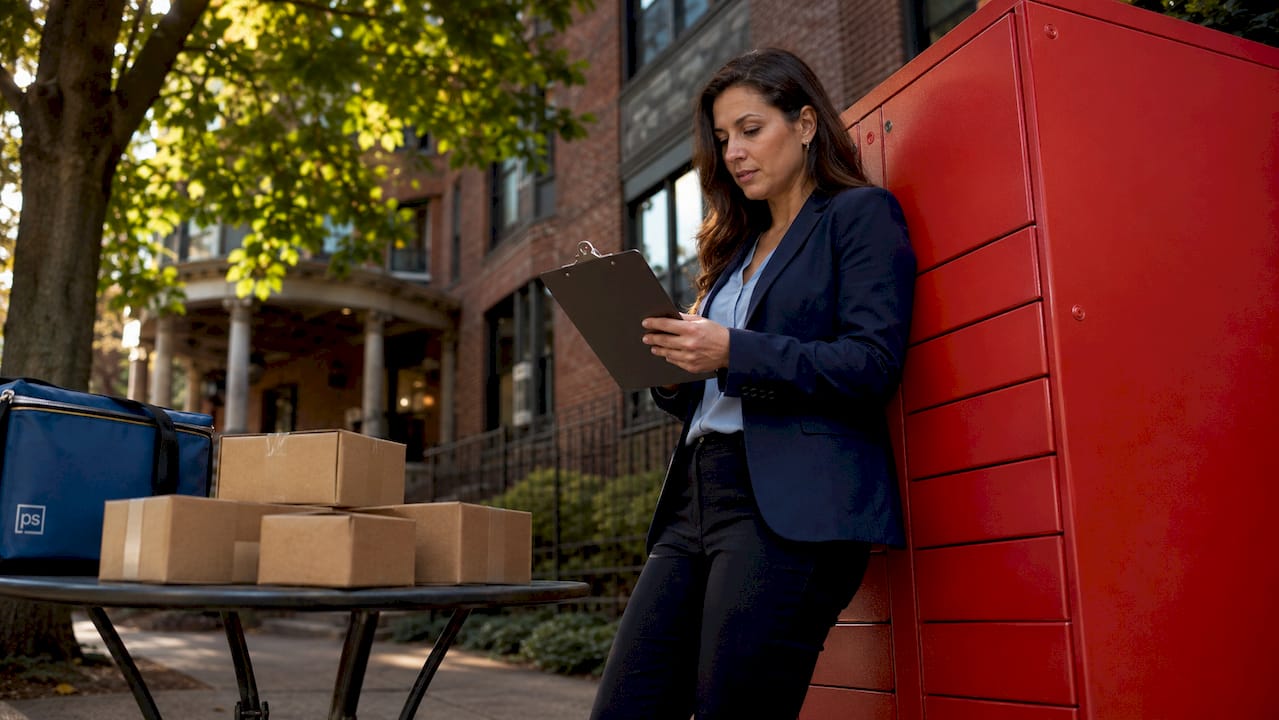
Types of urban apartment package challenges are defined as the delivery, storage, and operational obstacles that property managers and leasing staff face when handling rising parcel volumes in dense multifamily buildings. These challenges fall into distinct categories, each with its own causes, consequences, and mitigation strategies. Package management has fragmented into competing models, with no single consensus solution across building sizes, staffing levels, and capital budgets. Understanding each category clearly is the first step toward choosing the right fix for your property.
1. How carrier non-compliance creates delivery and notification breakdowns
Carrier non-compliance is the top operational failure in urban apartment package management. It occurs when delivery drivers bypass the required workflow steps, such as skipping locker scans, leaving packages in unsecured lobbies, or ignoring access protocols. When a driver skips a scan, the automated notification chain breaks entirely. Residents receive no alert, then call or visit the leasing office, pulling staff away from other work.
The 2026 industry framework identifies scan skipping by couriers as a principal cause of package system failure. That finding matters because most property managers assume hardware is the weak link. The real vulnerability is driver behavior, not the locker or software itself.
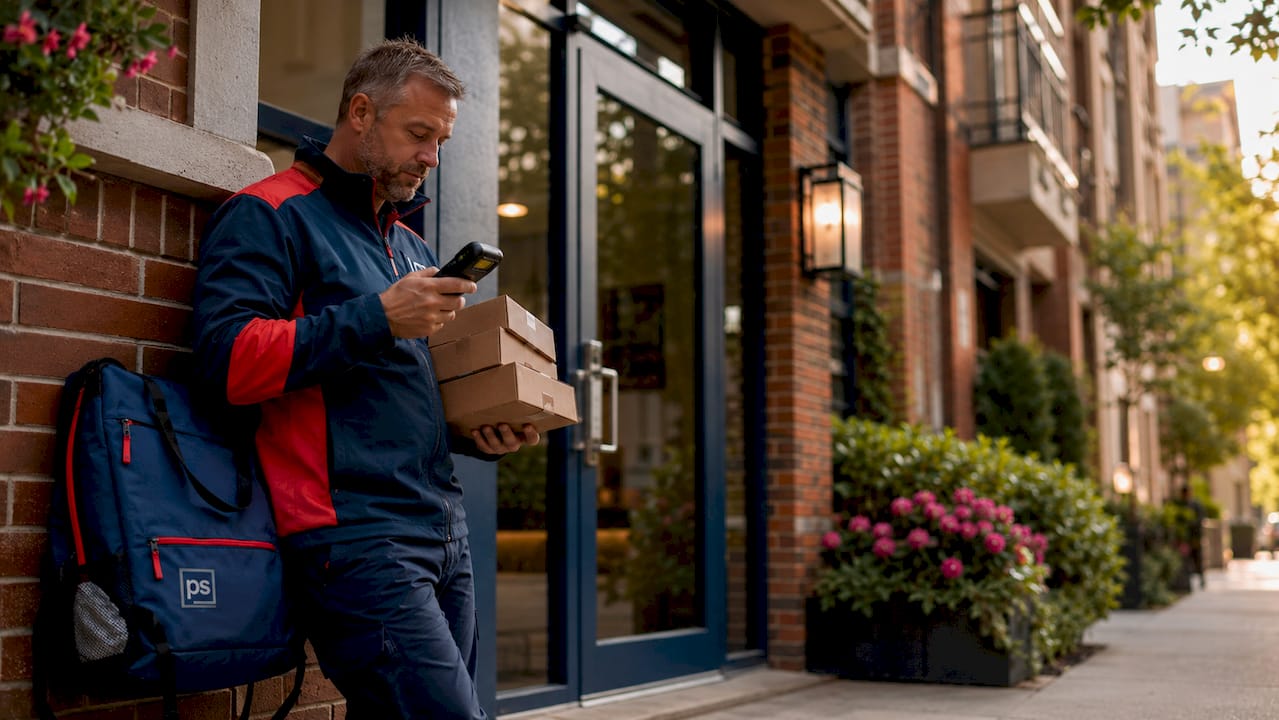
Operationally, non-compliance creates a compounding problem. Packages pile up in lobbies, residents grow frustrated, and leasing staff spend time manually tracking down parcels that the system should have handled automatically.
Pro Tip: When evaluating any parcel locker vendor, require them to document their detection logic for driver bypass and their standard operating procedure when a non-participating driver refuses to use the system. Vendors who cannot answer that question clearly are not ready for a high-volume urban property.
- Ask vendors how they detect when a driver skips the required scan step.
- Confirm whether the system flags unscanned deliveries for staff review.
- Require a written SOP for handling carriers who do not participate in the locker workflow.
- Test the notification chain during onboarding with a controlled delivery before going live.
2. Impact of urban building design and physical access constraints
Many delivery problems blamed on drivers are actually caused by building design and infrastructure limitations. That distinction changes how you approach the problem. Blaming carriers without addressing the building produces no lasting improvement.
Pre-war walk-ups and older urban apartment buildings present a specific set of physical obstacles that modern delivery workflows were not designed to handle. These buildings typically lack secure parcel rooms, working intercoms, and elevator access. A USPS OIG audit found that carriers can spend up to 10 minutes per delivery inside dense apartment buildings due to access issues. That time cost pushes drivers to take shortcuts, which then triggers the non-compliance problems described above.
The most common physical constraints property managers report include:
- No secure package room or designated parcel staging area.
- Broken or unreliable buzzer and intercom systems that prevent carrier entry.
- Stairwell-only access in buildings without elevators, slowing delivery per stop.
- Illegal parking restrictions near the building entrance that force carriers to park farther away.
- No clear signage directing carriers to the correct delivery point.
Technology can partially offset these constraints. Verified driver access tools help carriers enter buildings without relying on a working intercom. Installing a Luxer One locker system near a building’s main entrance reduces the number of floors a carrier must access. However, structural fixes like adding a secure package room require capital investment and planning approval in many urban markets.
3. Limitations of fixed-dimension smart lockers and capacity overflow
Smart lockers solve many problems, but their fixed compartment sizes do not flex with parcel volume or size variation. A property receiving 200 packages on a peak day against a locker bank with 100 compartments will see significant overflow. That overflow does not disappear. It lands in the lobby, a hallway, or a leasing office, unsecured and untracked.
Seasonal surges amplify this problem. Holiday periods, move-in weeks at student housing properties, and back-to-school cycles all produce volume spikes that fixed locker banks cannot absorb. The table below shows how the gap between locker capacity and delivery volume affects operations.
| Scenario | Daily Volume | Locker Capacity | Overflow Risk |
|---|---|---|---|
| Normal operations | 80 packages | 100 compartments | Low |
| Moderate surge | 150 packages | 100 compartments | High |
| Peak holiday period | 200+ packages | 100 compartments | Critical |
The trade-off is real. Larger locker banks require more physical space, which is scarce in urban buildings. Properties that install only lockers without an overflow protocol are essentially planning to fail during their busiest periods.
Pro Tip: Effective locker-only programs require a defined overflow staging area with restricted access before the first peak season arrives. Waiting until packages are piling up in the lobby is too late.
4. Issues caused by slow or inconsistent package intake processes
Package intake is the process of receiving, logging, labeling, and placing a parcel into the correct storage location when it arrives at the property. When intake is slow or inconsistent, packages accumulate faster than staff can process them. The result is cluttered hallways, stressed leasing teams, and residents who cannot find their parcels.
Reducing dwell time on shelves improves package flow and prevents buildup. Dwell time refers to how long a package sits in the package room before a resident picks it up. High dwell time is often caused by unclear labeling, missing unit numbers on boxes, or residents who simply do not check their notifications. Each of those causes requires a different fix.
Practical intake improvements include:
- Assign one person per shift the specific responsibility of processing incoming packages within a set time window after delivery.
- Write or stamp the unit number directly on each box at intake, not just on the label, so residents can find their package quickly.
- Set up a secure overflow staging area with restricted access for parcels too large for locker compartments.
- Use your package room software to generate resident pickup reminders after 48 hours of no pickup activity.
- Conduct weekly audits to identify packages with no pickup activity and follow up directly with the resident.
Postal Solutions manages daily package room organization for conventional multifamily, student housing, and senior housing properties. That includes handwriting unit numbers on boxes, completing weekly audits, and keeping the room current so residents can find their packages without staff assistance.
5. How inconsistent carrier scan and logging practices undermine package tracking
The scan and logging workflow is the backbone of any automated package notification system. A carrier scans a package at delivery, the system logs it, and the resident receives an alert. When a driver skips the scan, the entire chain stops. The resident gets no notification, the package sits unclaimed, and the leasing office gets a complaint call.
Carrier compliance testing during system deployment helps detect and correct bypass behavior before it becomes a pattern. Most properties skip this step and only discover the problem after residents start complaining. By then, the behavior is already established.
Staff procedures for handling scan failures matter as much as the technology itself. When the automated chain breaks, someone on your team needs a clear manual fallback. The steps below create a reliable backup process:
- Check the package room or locker area each morning for any unscanned parcels that arrived the previous day.
- Manually log unscanned packages in your package room software and send a manual notification to the resident.
- Document the carrier, date, and package count for each bypass incident to build a record for vendor escalation.
- Report repeated bypass behavior to the carrier’s regional operations contact, not just the local driver.
- Review your vendor’s bypass detection reports monthly to confirm the system is flagging incidents correctly.
The highest-leverage selection criterion when choosing a package management system is carrier workflow compliance, not hardware features. A locker with excellent hardware but no bypass detection is a liability in a high-volume urban building.
Key takeaways
Effective urban apartment package management requires addressing carrier compliance, building constraints, locker capacity, intake processes, and scan logging as separate but connected operational problems.
| Point | Details |
|---|---|
| Carrier compliance is foundational | Scan skipping by drivers breaks automated notifications and is the top cause of system failure. |
| Building design drives delivery failures | Pre-war walk-ups and access barriers cause carrier delays and increase package exposure risk. |
| Locker overflow requires a protocol | Fixed compartment banks cannot handle peak surges without a defined secure overflow staging area. |
| Intake consistency prevents buildup | Labeling packages at intake and auditing weekly reduces dwell time and resident friction. |
| Compliance testing protects automation | Testing carrier scan behavior during deployment prevents bypass patterns from becoming routine. |
Postal Solutions’ perspective on which challenges to fix first
After working with urban apartment communities since 2016, the pattern is clear. Properties that focus on hardware first and workflow second consistently underperform. A Luxer One locker system is an excellent tool. But if the carriers serving your building bypass the scan step, the locker’s notification system is useless. Carrier compliance is the foundation. Fix that first, and every other investment performs better.
Building constraints are the challenge most property managers feel least equipped to address because they involve capital and approvals. The practical answer is to work around the constraint rather than wait for a renovation. A well-placed locker bank near the main entrance, combined with verified driver access, solves most of what a missing secure room would have solved. Perfect infrastructure is not required for good outcomes.
The intake process is where daily managed services make the biggest difference. When a trained person visits your property each day, handwrites unit numbers on boxes, and completes weekly audits, the package room stays current. Residents find their packages without calling the office. Staff time goes back to leasing and retention. The property stops paying twice, once in payroll and once in lost productivity from staff handling package complaints.
Resident pickup delays are an underrated driver of overflow. The package room fills up not because too many packages arrive, but because too few residents pick them up promptly. Proactive communication, clear labeling, and automated reminders solve that problem without adding staff.
— Postal Solutions
How Postal Solutions manages urban apartment package operations
Postal Solutions manages package room operations for urban multifamily properties facing the exact challenges described in this article. As the largest Luxer One sales agency in the United States, with over 1,200 installations across more than 40% of U.S. states, Postal Solutions sells and installs Luxer One locker systems, package rooms, and combo systems sized for high-density urban buildings. For properties that need ongoing management, Postal Solutions offers six-day-per-week managed visits, weekly audits, and daily package room organization. Property managers who want to evaluate the full cost of their current approach can review the real cost analysis before making a capital decision.
FAQ
What is the most common cause of package system failure in urban apartments?
Carrier non-compliance, specifically drivers skipping required scan steps, is the top cause of package system failure. When scans are skipped, automated resident notifications break and packages go unclaimed.
Why do smart lockers overflow in urban apartment buildings?
Smart lockers have fixed compartment sizes that do not scale with volume surges. A building receiving 200 packages against a 100-compartment locker bank will see overflow during peak periods like holidays or move-in weeks.
How does building design affect package delivery in city apartments?
Older urban buildings with no secure parcel rooms, broken intercoms, and stairwell-only access slow carriers significantly. A USPS OIG audit found carriers can spend up to 10 minutes per delivery inside dense apartment buildings due to access barriers.
What is the best way to reduce package room overflow?
Define a secure overflow staging area with restricted access before peak season arrives, and reduce resident dwell time by sending pickup reminders after 48 hours of no pickup activity.
How should property managers test carrier compliance before going live with a new system?
Run a controlled delivery test during onboarding to verify the full scan-to-notification chain works. Require vendors to document their bypass detection logic and their standard operating procedure for non-participating drivers before signing a contract.