Operations First Package Room Climate Control for Property Managers
Operations First Package Room Climate Control for Property Managers Yes, package rooms need active temperature and humidity control. Target 50–75°F and 30– 60% relative humidity, using either a dedicated mini-split or a zoned HVAC connectio
Published
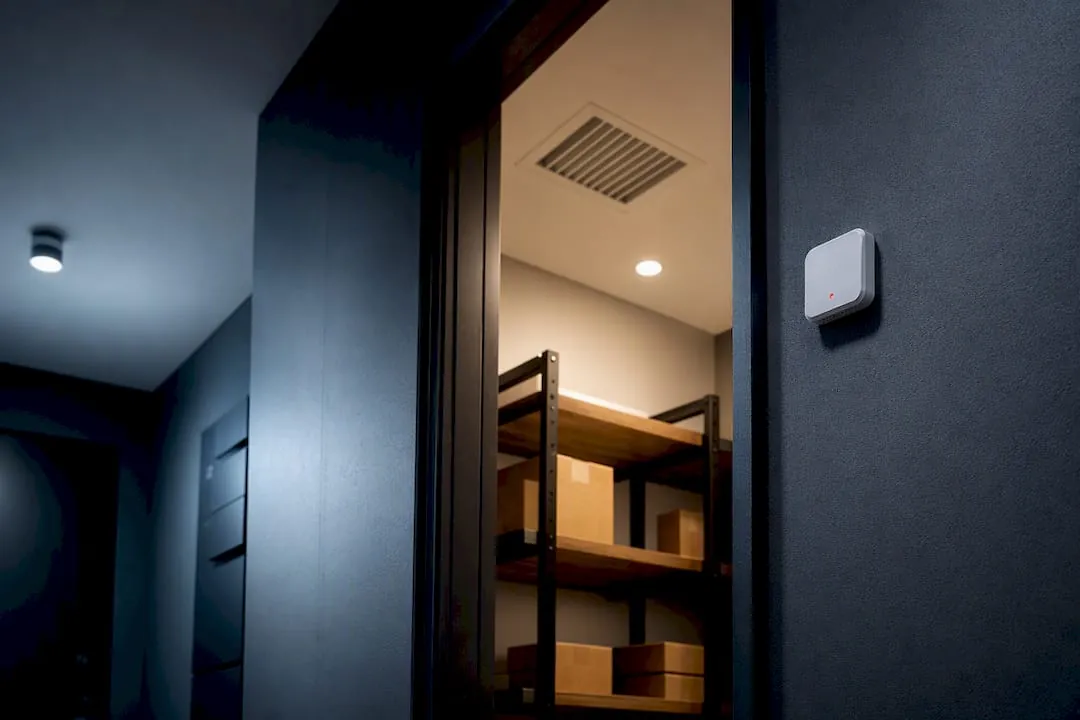
Yes, package rooms need active temperature and humidity control. Target 50–75°F and 30–60% relative humidity, using either a dedicated mini-split or a zoned HVAC connection paired with a dehumidifier and continuous monitoring. This combination prevents the condensation that warps electronics, swells cardboard, and turns a package room into a liability instead of an amenity.
TL;DR:
- Maintaining a temperature between 50 and 75°F and humidity below 60% prevents condensation and protects electronics and packaging from damage.
- The optimal climate control system depends on room size, with mini-splits ideal for small rooms, and zoned HVAC, lockers, or dehumidifiers suited to larger or specific needs.
- Proper design, insulation, drainage, sensor placement, and regular maintenance are crucial to ensure reliable operation and prevent moisture buildup.
- Monitoring should include sensors placed away from drafts, with data logged frequently and alerts set for humidity above 60–65% or temperature outside 50–75°F.
- Cost involves a significant upfront investment for basic setups, with ongoing expenses including energy, filters, and calibration, and the most effective approach combines hardware with active room management.
Table of Contents
- What Temperature and Humidity Range Protects Stored Packages?
- Mini-Splits, Zoned HVAC, Refrigerated Lockers, or Dehumidifiers?
- Design and Installation Checklist for Package Room HVAC
- How Should You Monitor Temperature and Humidity?
- What Does Package Room Climate Control Cost?
- Maintenance Tasks That Keep Climate Control Reliable
- How Postal Solutions Supports Package Room Operations
- The Part of This Conversation Everyone Skips
- Sources
- FAQ
What Temperature and Humidity Range Protects Stored Packages?
A range of 50–75°F with relative humidity between 30% and 60% works for most package rooms handling standard parcels, electronics, and dry goods. The real danger isn’t humidity by itself. It’s condensation, which forms when a surface temperature drops below the dew point of the surrounding air.
Peer-reviewed research on residential humidity control shows operating RH as high as roughly 60% can be acceptable and even reduce cooling energy use, as long as interior surfaces stay warm enough to avoid condensation. That distinction matters for budgeting. Chasing a low RH number burns energy without actually solving the moisture problem; keeping surfaces above dew point does.
Some contents demand tighter tolerances:
- Electronics and appliances: keep RH below 50% to protect sensitive components from corrosion.
- Perishables and grocery deliveries: require refrigeration, not just dehumidification.
- Standard parcels, apparel, and dry goods: tolerate the full 50–75°F, 30–60% RH band without issue.
Pro Tip: Don’t set your target humidity based on comfort standards borrowed from residential HVAC guides. Package rooms have no occupants generating heat or moisture, so their load profile, and their ideal setpoints, look different from an apartment unit.
Mini-Splits, Zoned HVAC, Refrigerated Lockers, or Dehumidifiers?
Four approaches cover nearly every package room scenario, and the right pick depends on room size, package mix, and how the building’s existing HVAC is laid out.
- Dedicated mini-splits: best for standalone rooms under roughly 400 square feet. They give independent temperature control without touching the building’s central system, and they’re the option most integrators recommend for auxiliary spaces that need to call for cooling on their own schedule, according to guidance on HVAC design for small rooms.
- Zoned HVAC or VRF: makes sense when a property already runs a variable refrigerant flow system across multiple buildings or floors. Integration is smoother, but adding a zone mid-construction gets complicated and expensive.
- Refrigerated lockers or compartments: necessary for grocery and meal-kit deliveries. These run as sealed, self-contained units rather than climate-controlling the whole room.
- Standalone dehumidifiers: the right call when temperature is already fine but humidity spikes seasonally, common in coastal and Gulf Coast climates where latent load outpaces sensible cooling need.
Cost and serviceability diverge sharply between these. Mini-splits need a licensed HVAC tech for refrigerant work but little else. Dehumidifiers are simpler to service but need routine drain checks. Zoned systems integrate cleanly with building automation but cost more upfront and take longer to install.
Design and Installation Checklist for Package Room HVAC
Get the design wrong and no amount of equipment fixes it. Work through these steps before signing a contractor:
- Size to peak volume, not average daily intake. Holiday-season parcel counts can run three to four times a normal week.
- Insulate and air-seal the room, particularly at exterior walls and above drop ceilings, to eliminate thermal bridges that cause localized condensation.
- Plan condensate drainage. Gravity drains work where slope allows; otherwise specify an accessible condensate pump, since pump failure is a common single point of failure in retrofit installations.
- Confirm electrical capacity for the mini-split or dehumidifier before ordering equipment, not after.
- Position supply and return so airflow crosses the shelving. Installers typically recommend low supply and high return to pull heat across stored packages rather than short cycling near the door.
A few additional details separate a reliable room from a problem one:
- Keep sensors away from exterior doors and direct supply air, where readings skew inaccurate.
- Build in sensor redundancy so one failed unit doesn’t blind the whole system.
- Coordinate zoning logic so the package room can call for cooling even when the building’s main zone is satisfied.
- Confirm access control and camera placement at the same time as HVAC design, since retrofitting security after the fact means cutting into finished walls twice.
How Should You Monitor Temperature and Humidity?
A package room without sensors is a room you’re guessing about. Install temperature and humidity sensors near shelving, mid-room height, and away from doors or supply vents where drafts skew readings.
Log data at 15 to 60 minute intervals and retain history for 30 to 90 days. That window gives you enough data to catch slow drift, like a failing compressor, before it becomes a full outage, while keeping storage manageable.
Set alerts to trigger when:
- RH stays above 60–65% for more than two hours.
- Temperature falls outside the 50–75°F band for more than two hours.
- A sensor stops reporting entirely, which usually means hardware failure, not a calm reading.
Route alerts to maintenance staff first and property managers second, so someone with tools can respond before a resident notices a damp box. Many automated package room systems already support this kind of tiered alerting through existing package software, which means you’re not managing climate data in a separate app from your parcel logs. Sensor placement discipline matters as much as the sensor itself. A great sensor mounted next to the door reads outdoor swings, not room conditions.
What Does Package Room Climate Control Cost?
Budget in three buckets: hardware, installation, and ongoing operation. None of these numbers are fixed, but here’s the realistic range for most multifamily properties.
- Hardware: a single mini-split runs a few thousand dollars; standalone dehumidifiers cost far less; sensors add a modest per-unit cost; refrigerated lockers cost considerably more than either.
- Installation: electrician work, condensate pump/drain setup, and contractor coordination typically dominate the labor line, especially in retrofit buildings without existing conduit.
- A basic access-controlled package room without full climate hardware requires a significant upfront investment installed; adding dedicated climate control adds to that baseline.
- Ongoing costs: energy draw, filter replacement, annual service agreements, and periodic sensor recalibration.
The decision usually comes down to loss prevention. If humidity damage is already generating resident complaints or lease disputes over ruined packages, the equipment pays for itself faster than most capital projects on the property.
Maintenance Tasks That Keep Climate Control Reliable
Equipment installed correctly still fails without upkeep. Build these into a recurring calendar:
- Daily: walk the room, checking for visible moisture, damp cardboard, and door seal integrity.
- Weekly: pull sensor logs, empty condensate traps, and clean or reseat filters as needed.
- Quarterly: schedule HVAC preventive service and inspect the condensate pump for wear.
- Annually: recalibrate sensors against a known reference to catch drift before it skews your alert thresholds.
Keep a simple log template for every check, including date, reading, and technician initials. That record becomes the first thing you pull when a resident disputes package damage, and it’s far more persuasive than a memory of “it seemed fine.”
How Postal Solutions Supports Package Room Operations
Some firms have experience helping property teams solve the operational side of package rooms, separate from the HVAC engineering itself. This can include selling and installing Luxer One electronic package room and locker systems, which pair naturally with the monitoring and access control practices covered above.
Beyond hardware, there are companies that offer package room management outsourcing 3-6 days per week: organizing incoming parcels, labeling or handwriting unit numbers, and completing weekly audits using whatever package room software a property already owns.
Property teams typically bring in experienced providers during one of two moments:
- Planning and installation: sizing and installing a Luxer One system alongside climate control equipment during a renovation or new build.
- Ongoing operations: managed visits 3-6 days per week that keep an existing room organized, audited, and current, whether or not it’s already equipped with electronic lockers.
A package room setup checklist can help align the climate design work with the operational side before either contractor breaks ground.
The Part of This Conversation Everyone Skips
Most climate control advice for package rooms treats the HVAC decision like it exists in isolation from staffing and operations. It doesn’t. A perfectly calibrated mini-split still won’t stop packages from piling up unorganized, sitting against exterior walls where condensation risk is highest, or getting missed during a slow week when nobody walks the room.
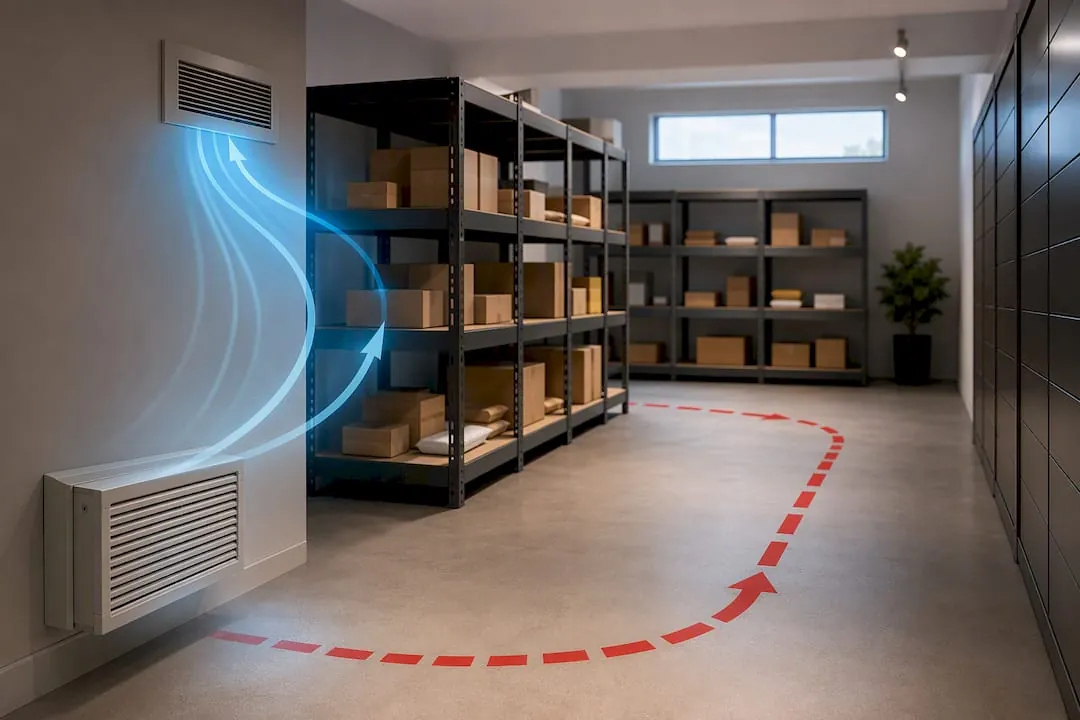
The conventional advice, buy better equipment, set tighter thresholds, isn’t wrong. It’s just incomplete. The properties that actually avoid humidity damage combine climate hardware with someone physically checking the room and its logs on a schedule. Sensors catch drift. They don’t reorganize shelving or notice a leaning stack of boxes blocking a return air vent.
If you’re prioritizing one thing first, prioritize airflow and placement over exotic equipment. A cheap dehumidifier in a well-designed room with clear shelving paths outperforms an expensive mini-split fighting a room packed floor to ceiling with no air movement. Get the room’s physical layout and operational routine right, then layer climate control on top of it, not the other way around.
Sources
- Residential indoor humidity during cooling operation: Energy benefits without compromising comfort, health, or materials - MDPI (2025)
- How to set up a package room in 2026 - Swiftlane
FAQ
Are Package Room AC Units Good?
A standalone AC unit cools the room but doesn’t manage humidity independently, so it can leave RH too high even at a comfortable temperature. A dedicated mini-split with a dehumidification mode or a separate dehumidifier gives more reliable control.
What Is the Cost-Based Replacement Rule for HVAC?
The “replacement rule” is a residential replace-versus-repair guideline: multiply the repair cost by the unit’s age, and if it exceeds a certain threshold, replacement makes more financial sense than another repair. It’s a general HVAC budgeting heuristic, not a package room specific standard.
Are USPS Facilities Temperature Controlled?
USPS processing facilities vary by location and are not uniformly climate controlled to the standards a package room would need for sensitive parcels. Property-owned package rooms should not assume mail arrives having been protected from temperature or humidity extremes in transit.
Are PTAC Units Better Than Window AC for Package Rooms?
PTAC (packaged terminal air conditioner) units offer more consistent performance and better humidity control than typical window units, and they mount permanently rather than sitting in a window opening. For a dedicated package room, a mini-split or PTAC unit generally outperforms a window AC on reliability and control precision.