Regional Manager Amenities: A Facilities Leader's Playbook
Regional Manager Amenities: A Facilities Leader’s Playbook A regional manager overseeing amenities is accountable for one thing above all else: keeping every fitness center, package room, pool, and common area across a multi-site portfolio
Published
A regional manager overseeing amenities is accountable for one thing above all else: keeping every fitness center, package room, pool, and common area across a multi-site portfolio operational, safe, and consistent with brand standards. This role sits between corporate strategy and site-level execution, translating capital plans and vendor contracts into amenities that residents can actually use on any given day. According to the National Apartment Association’s cost data cited by Multi-Housing News, recreational and other amenity maintenance costs rose 22.2% between 2021 and 2024, which means amenity oversight now carries real budget weight, not just resident satisfaction weight.
A regional facilities manager provides operational leadership across a defined group of properties, holding responsibility for service delivery, safety compliance, and financial performance. Tools like a CMMS platform (IBM Maximo is a common enterprise example) and partners like Postal Solutions for package-room management give regional managers the systems and support needed to standardize amenity performance across a scattered footprint.
The role breaks down into four core accountabilities:
- Amenity uptime — fitness equipment, pools, package lockers, and common-area tech stay functional and available.
- Vendor and contract governance — service agreements for HVAC, pool maintenance, fitness equipment, and locker hardware get negotiated, scorecarded, and renewed at the regional level.
- Capital planning for amenity assets — lifecycle tracking and CapEx requests tie replacement timing to utilization and renewal risk.
- Resident experience and activation — underused amenities get marketed, reserved, and refreshed so they contribute to retention instead of sitting idle.
Pro Tip: Treat amenity downtime like a leasing metric, not just a maintenance ticket. A broken package locker or a fitness center with dead equipment for two weeks shows up in renewal conversations long before it shows up in a work order report.
Key Takeaways
Regional managers who protect amenity uptime through vendor governance, predictive maintenance, and CMMS-driven reporting directly reduce renewal risk and repair costs across a portfolio.
| Point | Details |
|---|---|
| Amenity uptime drives renewal | Long amenity outages reduce perceived rent value and hurt lease renewal decisions. |
| Costs are climbing | Recreational and amenity maintenance costs rose 22.2% from 2021 to 2024, pressuring regional budgets. |
| Predictive beats reactive | Shifting to predictive maintenance and centralized procurement lowers cost-per-incident over time. |
| Track KPIs weekly and monthly | PM compliance, uptime, first-fix rate, and utilization should drive escalation and CapEx decisions. |
| Package rooms need daily attention | Postal Solutions provides managed daily package-room organization and Luxer One installation to keep this high-traffic amenity resident-ready. |
Table of Contents
- What Does a Regional Manager Do Across a Property Portfolio?
- Daily, Weekly, and Monthly Duties for Amenity Oversight
- Which Systems Fall Under a Regional Manager’s Technical Scope?
- How Should Regional Managers Structure Multi-Site Staffing?
- Vendor and Contract Management for Amenity Systems
- Budgeting, CapEx Planning, and Lifecycle Management for Amenities
- Which Tools Actually Move the Needle on Amenity Uptime?
- What Skills and Certifications Should Regional Amenity Managers Have?
- What KPIs Should Regional Managers Track for Amenity Performance?
- Career Path and Job Description for a Regional Facilities Manager
- Why Predictive Maintenance Beats Reactive Fixes for Amenities
- Your 30/90/180-Day Plan for Better Amenity Reliability
- Where to Learn More About Amenity Management and Facilities Operations
- A Package Room Is an Amenity, Whether or Not Anyone Treats It Like One
- Get a Regional Amenity Assessment for Your Package Rooms
- Sources
- FAQ
What Does a Regional Manager Do Across a Property Portfolio?
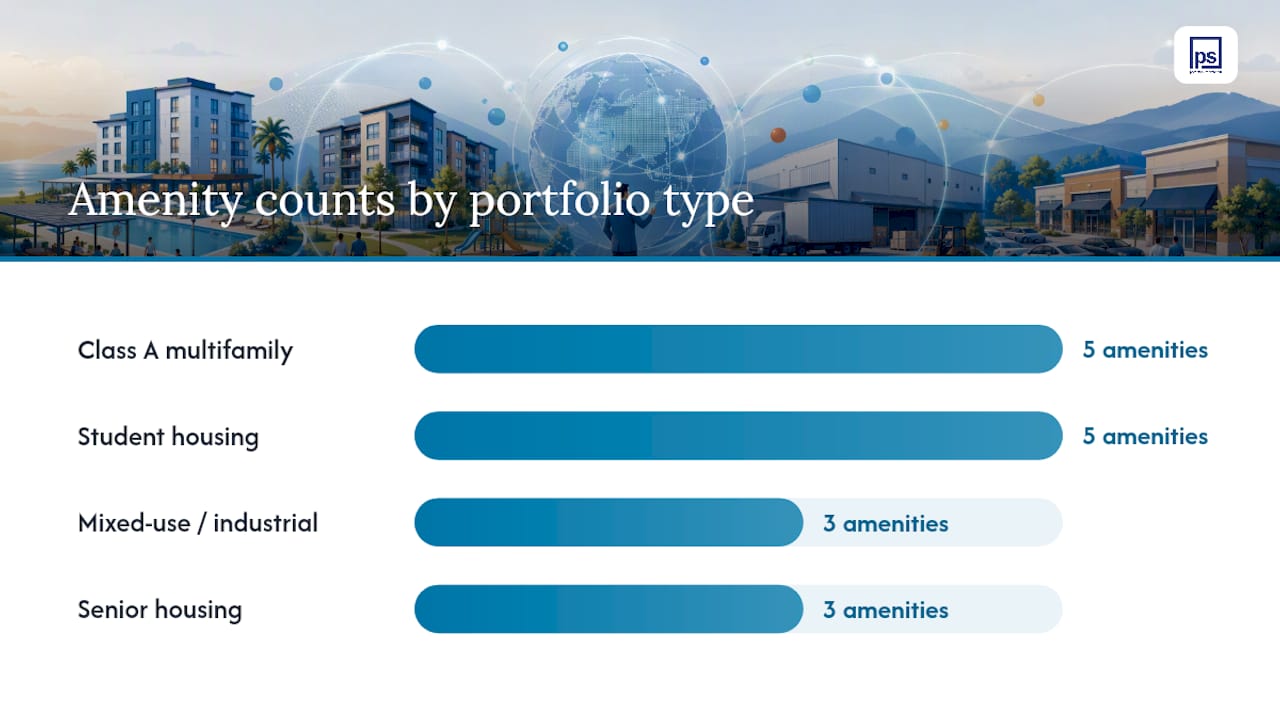
Regional facilities managers work across portfolios that rarely look identical from one region to the next. One region might be all Class A multifamily with resort-style amenities; another might mix student housing, senior living, and a handful of light industrial buildings. The scope of amenity oversight shifts based on what’s actually in the portfolio.
A regional manager typically reports to a director of operations or VP of facilities, with a dotted-line relationship to individual property managers and leasing directors at each site. Span of control varies widely: some regional roles cover 6 to 8 properties within a tight geographic cluster, while others manage 15 or more sites spread across a metro area or state, according to career guidance on the role. Travel expectations follow directly from that spread. A tightly clustered region might mean daily site visits; a sprawling one might mean two or three days on the road each week.
| Portfolio Type | Typical Amenity Mix | Amenity Oversight Focus |
|---|---|---|
| Class A multifamily | Fitness center, pool, resident lounge, package room, EV chargers | High-touch resident experience, activation events, premium equipment uptime |
| Student housing | Study lounges, package lockers, mail center, fitness center, shuttle coordination | Move-in surge management, high package volume, cyclical demand |
| Mixed-use / office-industrial pockets | Loading docks, shared common areas, limited amenity footprint | Vendor coordination for shared infrastructure, security systems |
| Senior housing | Community rooms, wellness centers, transportation services | Compliance-heavy maintenance, accessibility standards |
Amenities generally fall under site-level responsibility for routine upkeep and daily monitoring. They escalate to the regional level once a repair exceeds a set cost threshold, a vendor contract needs renegotiation across multiple sites, or a system failure affects resident safety. Most operators set that threshold somewhere between $1,500 and $5,000 per incident, though the exact number depends on portfolio size and corporate policy.
Daily, Weekly, and Monthly Duties for Amenity Oversight
The job runs on a cadence. Daily tasks keep small problems from becoming big ones. Weekly and monthly tasks catch the patterns that daily check-ins miss.
Daily responsibilities:
- Check in with site teams on any open urgent tickets, particularly anything affecting amenity access or safety.
- Serve as the liaison for vendors handling same-day emergency calls (pool chemical imbalances, HVAC failures, broken access control).
- Review overnight security or access-control alerts flagged by site staff.
Weekly responsibilities:
- Audit package rooms and locker systems across sites to confirm packages are organized, unclaimed inventory is tracked, and the software (whether a community’s existing platform or a Luxer One system) reflects accurate counts.
- Cross-train site staff on amenity-adjacent systems so no single employee is a point of failure for something like a locker kiosk reset or pool equipment shutdown.
- Review open work orders against SLA targets set with vendors.
Monthly responsibilities:
- Review preventive maintenance (PM) compliance rates against the region’s CMMS schedule.
- Plan or support amenity activation events, especially for underused spaces like fitness centers or community rooms.
- Meet with property managers to review resident feedback tied to amenity performance.
A site-visit walkthrough should never be a casual stroll. Regional managers checking on amenities during a visit typically verify:
- Access control functions correctly at fitness centers, pools, and package rooms.
- Reservation systems (for community rooms, EV chargers, or fitness equipment) are current and functioning.
- Cleanliness and first-response readiness (spill kits, safety signage, working emergency shutoffs).
- Package room organization and locker fill rates, with unit numbers legible and audits current.
- EV charger and other tech-enabled equipment status, confirmed against the CMMS work order log.
Getting amenity access right in the first 30 days of a resident’s lease matters more than most operators realize. Industry guidance on resident retention notes that early amenity access and onboarding success strongly influence whether a resident renews at the end of their first year. A regional manager who prioritizes fast fixes on high-visibility amenities during move-in season is protecting future occupancy, not just current comfort.
Which Systems Fall Under a Regional Manager’s Technical Scope?
Amenities don’t operate in isolation. A pool depends on filtration and chemical dosing systems. A fitness center depends on HVAC zoning and electrical capacity. A package room depends on hardware, software, and physical security working together. Regional managers need enough technical literacy to ask the right questions of vendors and to spot when a symptom points to a bigger infrastructure problem.
Core systems under regional technical scope typically include:
- HVAC and energy management systems (EMS): climate control across common areas, fitness centers, and amenity spaces, often tied to regional energy-efficiency targets.
- Security and access control: keyfob and mobile-credential systems gating amenity spaces, tied into broader property security.
- Pool systems: filtration, chemical dosing, and seasonal opening/closing procedures requiring licensed technicians.
- Package-room hardware: electronic lockers and monitored package rooms, including systems like Luxer One, plus refrigerated locker options for grocery and perishable deliveries.
- Material-handling and dock equipment: relevant for mixed-use or larger communities receiving high delivery volumes.
Vendor relationships map directly onto these systems. A regional manager typically maintains active contracts with fitness equipment service providers, pool maintenance technicians, locker hardware manufacturers, and EV charger service companies. Each vendor category needs its own service-level expectations, since a fitness equipment repair and a pool chemical emergency operate on very different urgency scales.
This is where a CMMS earns its keep. A platform like IBM Maximo aggregates work orders across every site in a region, schedules preventive maintenance automatically, and gives regional managers visibility into which amenities are generating repeat tickets. Without that aggregation, patterns hide inside individual site logs and nobody notices that the same pool pump has failed three times in six months across three different properties.
How Should Regional Managers Structure Multi-Site Staffing?
Deciding how to staff amenity maintenance across a region comes down to a trade-off between response speed and cost efficiency. Centralizing everything saves money but slows response time. Staffing every site independently speeds response but multiplies payroll and duplicates specialized tools nobody uses daily.
- Centralized regional technicians handle specialized work (pool systems, HVAC, electronic locker hardware) across multiple sites on a rotating schedule, useful when properties sit within a reasonable drive time of each other.
- Shared specialized tools get stored at a central hub and checked out as needed, which avoids buying duplicate pool testing kits or locker diagnostic equipment for every site.
- Floating amenities technicians rotate through a fixed weekly route, hitting each property on a predictable day rather than only responding to emergencies.
- Local site-dedicated staff handle day-to-day amenity monitoring and escalate anything technical to the regional or vendor level.
Operations playbooks for 2026 recommend regionalizing staff specifically where assets sit close together geographically, and pairing that with AI assistants that triage routine resident requests so site teams aren’t buried in low-value tickets. That combination frees up technician time for the amenity issues that actually require a skilled hand.
The decision checklist for regionalization versus site-based staffing usually comes down to three questions: How far apart are the properties? How often do amenity failures actually occur at each site? And does the fix require a CapEx-level tool purchase or just an OpEx-level service call?
Pro Tip: If you’re managing 8 to 10 communities within a 30-minute drive of each other, rotate one specialized technician through all of them on a fixed weekly schedule instead of hiring a dedicated tech per site. You’ll cut your travel-to-complexity ratio and still hit every property before small issues become big ones.
Vendor and Contract Management for Amenity Systems
Every amenity system in a portfolio eventually needs an outside vendor. The regional manager’s job is making sure those vendor relationships are structured, measured, and renegotiated on a schedule instead of drifting along on whatever terms got signed years ago.
Core contract categories worth tracking separately:
- Fitness equipment service and preventive maintenance agreements.
- Pool service contracts, often seasonal with licensed technicians.
- Locker hardware maintenance agreements, whether for existing systems or a monitored setup like Luxer One.
- Package-room service arrangements, covering daily organization and audit support.
- Third-party concierge or resident-services contracts tied to amenity programming.
A vendor scorecard turns vague satisfaction into measurable performance. The fields that matter most:
| Scorecard Field | What It Measures |
|---|---|
| Response time | Hours between ticket submission and vendor arrival |
| First-fix rate | Percentage of issues resolved on the first visit |
| Escalation frequency | How often a ticket requires a second vendor visit or manager intervention |
| SLA compliance | Percentage of tickets closed within contracted timeframes |
| Cost-per-incident | Average cost per service call, tracked against budget |
Bulk or portfolio-level vendor agreements make sense once a region has enough properties using the same vendor category. Negotiating a single contract for pool service across six properties instead of six separate contracts typically produces better rates and more consistent service quality, and it gives the regional manager one point of accountability instead of six.
Budgeting, CapEx Planning, and Lifecycle Management for Amenities
Amenity assets have a shelf life, and pretending otherwise is how regional managers end up with emergency CapEx requests instead of planned ones. Lifecycle planning starts with an inventory of every major amenity asset, its installation date, expected useful life, and current condition. From there, replacement triggers get set based on age, repair frequency, and cost-to-repair versus cost-to-replace.
| Priority Level | Trigger Criteria | Example |
|---|---|---|
| Urgent repair | Safety risk or complete amenity failure | Broken pool fence latch, non-functioning fire suppression in fitness center |
| Near-term CapEx | High utilization, repeated repairs, near end of useful life | Fitness equipment repaired 3+ times in one year |
| Planned CapEx | Scheduled lifecycle replacement, moderate utilization | Package locker hardware nearing manufacturer end-of-life support |
| Deferred | Low utilization, low safety impact | Underused amenity with minimal resident engagement |
Building a defensible CapEx case means connecting the dots between amenity uptime and renewal intent. Given that amenity maintenance costs jumped 22.2% from 2021 to 2024, ownership groups are paying closer attention to whether that spend is actually protecting occupancy. A CapEx request that says “the pool needs replastering because it’s old” gets less traction than one that says “pool downtime has coincided with a measurable drop in renewal conversations in units facing the amenity courtyard.”
A useful CapEx checklist for amenity projects includes: current asset condition assessment, utilization data, safety risk rating, resident feedback tied to the amenity, cost-to-repair versus replace, and projected impact on renewal rate.
Which Tools Actually Move the Needle on Amenity Uptime?
Technology stack decisions separate regional managers who react to amenity failures from those who prevent them. The core tools worth prioritizing:
- CMMS platforms like IBM Maximo for preventive maintenance scheduling, work order tracking, and region-wide reporting.
- IoT sensors on critical amenity equipment (pool pumps, HVAC units, fitness equipment) that flag performance degradation before full failure.
- Package-room hardware and software, including monitored locker systems like Luxer One, which track package chain of custody and reduce the manual audit burden on site staff.
- Resident experience platforms that let residents reserve amenities, report issues, and receive status updates without calling the leasing office.
- AI assistants for routine ticket triage, which sort incoming maintenance requests so site teams focus on higher-priority amenity issues first.
Integration matters more than any single tool. A CMMS that doesn’t talk to the resident portal means residents report a broken treadmill through one channel while the work order gets logged through another, and nobody reconciles the two. The most effective regional rollouts start with a minimal viable integration set: CMMS connected to vendor routing and SLA tracking first, then resident-facing reporting second, then predictive sensor data last.
The shift from reactive repairs to predictive maintenance, centralized procurement, and bulk vendor contracts represents one of the clearest paths to lowering specialized repair costs and improving amenity reliability across a portfolio.
A property maintenance management guide from RentTrust makes a similar case: maintenance management systems that enable predictive scheduling reduce emergency calls and extend equipment life, which matters directly for amenity assets that see heavy daily use.
What Skills and Certifications Should Regional Amenity Managers Have?
Hiring for this role means looking for someone comfortable moving between a spreadsheet and a mechanical room in the same afternoon. The best candidates blend technical fluency with negotiation skill and a hospitality mindset that treats residents like guests, not tickets.
Skills checklist:
- Mechanical aptitude sufficient to diagnose HVAC, pool, and electronic locker issues without needing a vendor for every question.
- Vendor negotiation experience, particularly around portfolio-level or bulk contracts.
- Multi-site leadership and the ability to manage remote teams without daily in-person oversight.
- Data-driven reporting skills, comfortable pulling KPI trends from a CMMS dashboard.
- A hospitality mindset that treats amenity reliability as part of the resident experience, not just a maintenance line item.
Certifications and credentials worth prioritizing:
- Certified Facility Manager (CFM) through IFMA, signaling broad competency across facilities operations.
- Facility Management Professional (FMP), a strong entry-level credential for those newer to the field.
- Project Management Professional (PMP), useful for regional managers overseeing capital projects.
- Technical licenses relevant to the portfolio, such as pool operator certification or HVAC licensure, especially if the regional manager directly supervises trade staff.
Sample interview questions worth asking candidates: “Walk me through how you’d troubleshoot a fitness center HVAC failure reported at 6 a.m. across two different properties on the same day.” “How would you renegotiate a pool service contract that’s been auto-renewing at the same rate for four years?” “Describe how you’d build a CapEx business case for replacing aging package lockers before they fail completely.” Cross-training matters here too. Industry reporting notes that as amenities get more tech-enabled, site staff need broader technical fluency, and redundancy across a team reduces the risk of any single employee’s absence creating an amenity blind spot.
What KPIs Should Regional Managers Track for Amenity Performance?
Amenity performance is measurable, and regional managers who don’t measure it are flying blind on a resident experience that directly affects renewal decisions. The core KPI list:
- PM compliance rate: percentage of scheduled preventive maintenance completed on time.
- Amenity uptime: percentage of time a given amenity is fully functional and accessible.
- First-response time: how quickly a reported issue gets a technician or vendor response.
- First-fix rate: percentage of issues resolved without a repeat visit.
- Amenity NPS or resident satisfaction score: resident-reported sentiment tied specifically to amenity spaces.
- Utilization rate: how often an amenity actually gets used, which informs both CapEx priority and activation planning.
- Backlog: open work orders older than a set threshold, typically 7 or 14 days.
- Cost-per-incident: average spend per amenity repair, tracked by category.
Reporting cadence should scale with urgency. Daily operational alerts catch amenity outages the moment they happen. A weekly KPI snapshot gives regional managers a quick pulse check across the portfolio. Monthly performance reviews dig into trends with property managers and ownership. Quarterly reviews focus specifically on CapEx planning and red-flag properties where amenity issues keep recurring.
A useful dashboard wireframe includes a portfolio-wide heat map showing amenity uptime by property, a backlog widget sorted by age and priority, a vendor SLA compliance tracker, and a rolling utilization trend for the region’s highest-traffic amenities. When uptime drops below a set threshold at a given property, or backlog crosses a certain age, that should trigger an automatic escalation, whether that’s a vendor performance conversation or a capital request.
Given that amenity maintenance costs climbed 22.2% between 2021 and 2024, tracking cost-per-incident against that trend line lets regional managers show whether their predictive maintenance investments are actually bending the cost curve.
Career Path and Job Description for a Regional Facilities Manager
The typical career ladder runs from site-level facilities coordinator or maintenance supervisor, up to regional facilities manager, then director of facilities, and eventually into a head of operations or VP-level role overseeing multiple regions. Each step up trades hands-on technical work for broader strategic and financial accountability.
A sample job description block for this role:
Regional Facilities Manager, Multi-Site Amenities
Reports to: Director of Operations or VP of Facilities
Responsibilities: Oversee amenity uptime, vendor management, and capital planning across [X] properties in the assigned region. Manage service contracts for fitness equipment, pool systems, package-room hardware, and HVAC. Conduct regular site visits to audit amenity condition and resident-facing reliability. Track KPIs including PM compliance, first-response time, and amenity utilization. Present quarterly CapEx recommendations tied to renewal and safety data.
Required skills: 3 to 5 years in multi-site facilities or property operations, working knowledge of CMMS platforms, vendor negotiation experience, valid driver’s license for regional travel.
Preferred credentials: CFM, FMP, or relevant technical licensure.
Regional facilities managers provide strategic and operational leadership across a portfolio, balancing site-level support, vendor coordination, and capital project oversight against the reality of constant travel between properties.
Compensation for this role varies by region, portfolio size, and years of experience, and the most reliable way to benchmark current figures is through dedicated facilities management career and salary guides rather than general salary aggregators, since regional facilities roles often carry different pay bands than single-site facilities manager positions.
Why Predictive Maintenance Beats Reactive Fixes for Amenities
The old model of amenity maintenance waited for something to break, then scrambled a vendor to fix it. That approach is losing ground fast, and for good reason. Multi-Housing News reports that operators are shifting toward predictive maintenance, centralized procurement, and bulk vendor contracts specifically because reactive repairs cost more and put renewal intent at risk when amenities sit broken for extended periods.
An implementation checklist for a predictive amenity program:
- Install IoT sensors on the highest-utilization or highest-repair-cost equipment first, typically pool pumps, fitness equipment, and HVAC units serving amenity spaces.
- Adjust PM cadence based on sensor data rather than a fixed calendar schedule, catching wear patterns before failure.
- Renegotiate vendor SLAs to include predictive check-ins, not just emergency response.
- Build a centralized spare-parts pool across the region for common failure points, reducing the lag time between diagnosis and repair.
- Track cost-per-incident before and after the predictive program launches to measure real impact.
Amenity maintenance costs rose 22.2% between 2021 and 2024, which is the exact pressure driving this shift. A regional manager who pilots predictive maintenance on even two or three high-cost amenity categories, then measures the before-and-after cost-per-incident, builds the evidence needed to expand the program portfolio-wide.
Pro Tip: Start your predictive maintenance pilot with whatever amenity generates the most repeat work orders in your CMMS data. That’s your fastest path to a measurable win you can point to when requesting budget for a broader rollout.
Your 30/90/180-Day Plan for Better Amenity Reliability
Improving amenity performance across a region doesn’t happen overnight, but it also doesn’t require a full year to show results. Here’s a phased approach:
-
First 30 days: Complete a full amenity audit across every site in the region, including condition, utilization, and outstanding vendor tickets. Fix the highest-visibility amenity issues first, even if they’re not the most expensive. Confirm package room cleanliness and audit accuracy at every property, since this is often the most resident-visible amenity and the fastest win. Resources on package room efficiency can help standardize that audit process.
-
Next 90 days: Pilot a predictive maintenance program on your highest-cost amenity category. Renegotiate at least one vendor contract using scorecard data collected during the audit phase. Build a regional spare-parts plan for common failure points. Launch a resident activation plan for any amenities showing low utilization.
-
By 180 days: Prioritize portfolio-wide CapEx requests using the utilization and safety data collected over the prior two phases. Roll out or expand CMMS integrations across every site in the region. Measure renewal rate and resident satisfaction before-and-after the pilot programs to build the business case for the next budget cycle.
Where to Learn More About Amenity Management and Facilities Operations
A few sources are worth returning to as amenity management practices keep evolving:
- Multi-Housing News for benchmarking cost trends and understanding the shift toward predictive maintenance and centralized procurement.
- Multifamily Executive’s operations playbook for staffing and regionalization strategy, particularly around AI-assisted ticket triage.
- Spanr’s amenity management guide for retention-focused tactics tied to amenity onboarding.
- Truest’s career guide for job description language and compensation benchmarking.
- RentTrust’s maintenance management systems guide for implementation detail on predictive maintenance software.
For package-room specific benchmarks and hardware integration questions, consult your CMMS vendor’s documentation directly, and review Postal Solutions’ resources on mailroom organization for tactical guidance that applies across portfolio types.
A Package Room Is an Amenity, Whether or Not Anyone Treats It Like One
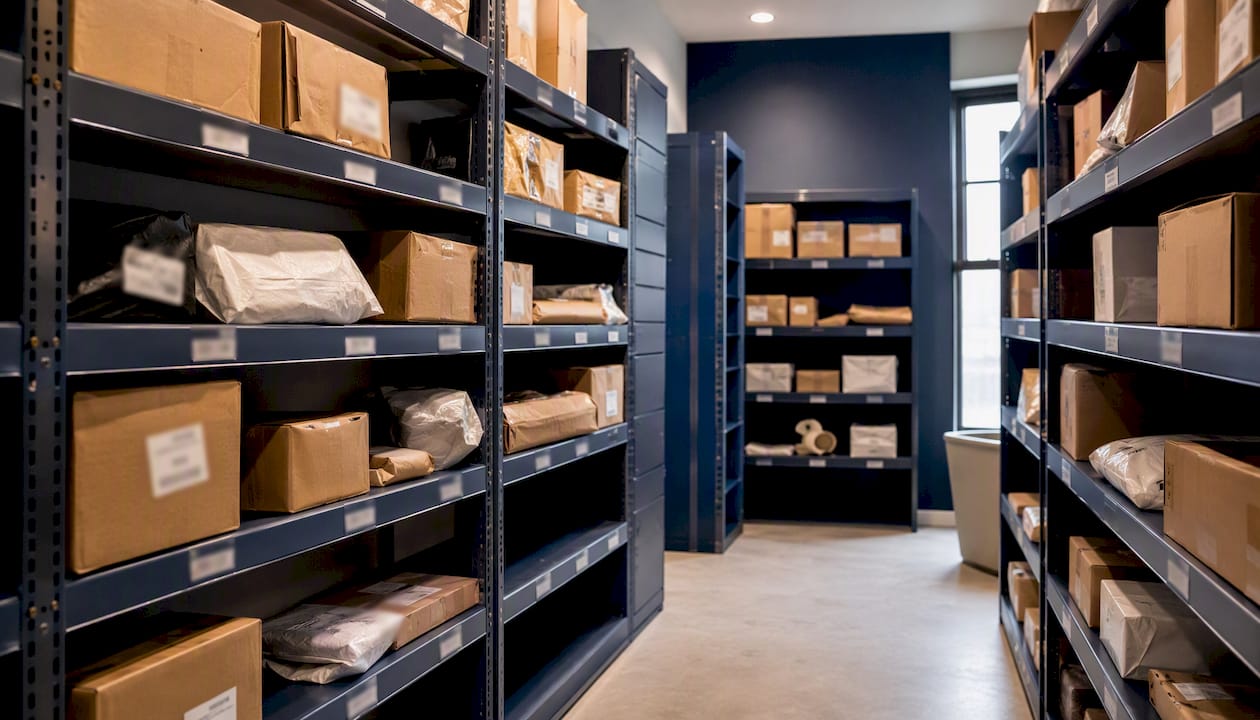
Package rooms rarely get discussed with the same urgency as a broken pool or a fitness center missing half its equipment. That’s a mistake. Every resident who orders a package interacts with that amenity multiple times a week, often more than they use the gym or the pool combined. When a package room is disorganized, when audits lapse, or when residents can’t find their delivery, that friction shows up in resident satisfaction scores just as fast as a broken treadmill does.
Postal Solutions has approached package rooms as a revenue-protecting amenity since 2016, working across student housing, conventional multifamily, and senior housing communities. Daily managed visits (organizing packages, marking unit numbers clearly on labels, and running weekly audits) reduce the friction residents feel when they show up looking for a delivery, and they reduce the staff time property teams would otherwise spend fielding “where’s my package” questions. In the United States, Postal Solutions has seen firsthand how a poorly maintained package system undermines an otherwise well-run community, regardless of how well every other amenity performs.
Get a Regional Amenity Assessment for Your Package Rooms
Package rooms and locker systems are among the highest-traffic amenities in any multifamily or student housing portfolio, and they’re often the most neglected from a regional oversight standpoint. Postal Solutions offers daily package-room organization and managed visits across a portfolio, plus sales and installation of Luxer One monitored locker and package room systems, including refrigerated locker options for perishable deliveries. Every service integrates with the package room software your community already runs, or with a new Luxer One system if you’re ready to upgrade.
Regional managers juggling amenity oversight across a dozen properties don’t need one more system to babysit. They need package rooms that stay organized without pulling site staff off higher-priority work, and audits that are actually current when a resident disputes a missing delivery. If your portfolio’s package rooms are creating more resident complaints than your fitness centers or pools combined, that’s a signal worth acting on. Reach out to Postal Solutions for a portfolio-wide package room assessment and find out where daily managed visits or a Luxer One installation would cut friction fastest.
Sources
- The New Rules of Amenity Maintenance: 3 Shifts Apartment Operators Should Make - Multi-Housing News
- Inside the 2026 Operations Playbook | Multifamily Executive
- Amenity Management Guide 2026: 3 Things Property Managers Must Know | Spanr
- Regional Facilities Manager | Career Guide & Salary Info
FAQ
What are the main responsibilities of a regional manager overseeing amenities?
A regional manager overseeing amenities is responsible for amenity uptime, vendor and contract governance, capital planning for amenity assets, and resident experience across every property in their portfolio, reporting typically to a director of operations.
How much does a regional facilities manager get paid?
Compensation for regional facilities managers varies significantly by portfolio size, region, and years of experience; the most reliable current figures come from dedicated facilities management career guides rather than general salary aggregators.
What is the highest salary a facilities manager can earn?
Top-end compensation for facilities managers depends heavily on portfolio scale, industry sector, and geographic market, with senior director and VP-level operations roles commanding the highest pay; specific figures are best sourced from current career and compensation guides rather than a single fixed number.
What tools help regional managers track amenity performance?
CMMS platforms like IBM Maximo consolidate preventive maintenance scheduling and work orders across a portfolio, while package-room systems like Luxer One provide monitored tracking for one of the highest-traffic amenities in any multifamily community.
When should an amenity issue escalate from site-level to regional-level?
Amenity issues typically escalate to the regional level when repair costs exceed a set threshold, a vendor contract needs renegotiation across multiple properties, or the issue affects resident safety or access.